If you’re thinking about a move to Farmington, one question matters more than almost any other: what does daily life actually feel like near the town’s medical and corporate hub? If you work at UConn Health, in bioscience, or in one of the area’s many office settings, you probably want a home base that makes your routine easier without giving up character. The good news is that Farmington offers a practical mix of commute convenience, residential appeal, and outdoor access that can be hard to find in one place. Let’s take a closer look.
Why this area draws buyers
Farmington describes itself as an economic leader in the Hartford region, with more than 2,000 businesses across town and a balance of open space, housing, and commercial development. That balance is a big part of the appeal if you want a town that feels established and residential, but still connected to major employers.
The local medical and corporate hub is a major reason many buyers focus their search here. UConn Health’s Farmington campus includes UConn John Dempsey Hospital, the School of Medicine, the School of Dental Medicine, and a significant research presence. The Jackson Laboratory for Genomic Medicine also sits on the UConn Health campus, which adds to the area’s strong bioscience identity.
Farmington’s major-employers information also notes that UConn Health is the town’s largest employer. It also points out that Farmington has one of the largest Class A office-space inventories in Greater Hartford, which helps explain why the area attracts medical professionals, researchers, executives, and relocation buyers alike.
What the commute feels like
For many buyers, the biggest day-to-day benefit of living near Farmington’s medical and corporate hub is simple: getting around is fairly straightforward. The town’s main movement corridors include I-84 and Routes 4, 6, 10, and 177, which create several practical ways to reach work, errands, and nearby towns.
Farmington’s mean travel time to work is 23.8 minutes, compared with 26.5 minutes statewide in Connecticut. That does not mean every commute is short, but it does suggest a relatively manageable commute profile for a suburban employment center.
Exact address still matters. Town planning guidance shows that Routes 4 and 6 function mainly as commercial and business corridors, while Routes 10 and 177 are more residential arterials. In practical terms, homes closer to Routes 4 and 6 often provide quicker access to the medical and corporate hub, while homes deeper into Farmington Center or Unionville may trade a little drive convenience for a quieter residential feel.
Public transit options
If you prefer not to drive every day, Farmington also has CTtransit service tied to major work destinations. Route 121 serves UConn Health from Hartford with limited stops and an express segment using CT-9 and I-84.
Route 66 and 66X connect Farmington and Unionville with Hartford, including peak-hour express service. For some households, that can add flexibility to the workweek and reduce the need to rely on a car for every trip.
Neighborhood feel changes by corridor
One of the most important things to understand about Farmington is that the town does not feel the same everywhere. The setting changes meaningfully depending on which part of town you choose, and that matters if you are trying to balance access, atmosphere, and housing style.
Routes 4 and 6 are more commercial and business-oriented. If you live near those corridors, you may benefit from faster trips to UConn Health, office campuses, shopping, and regional roads.
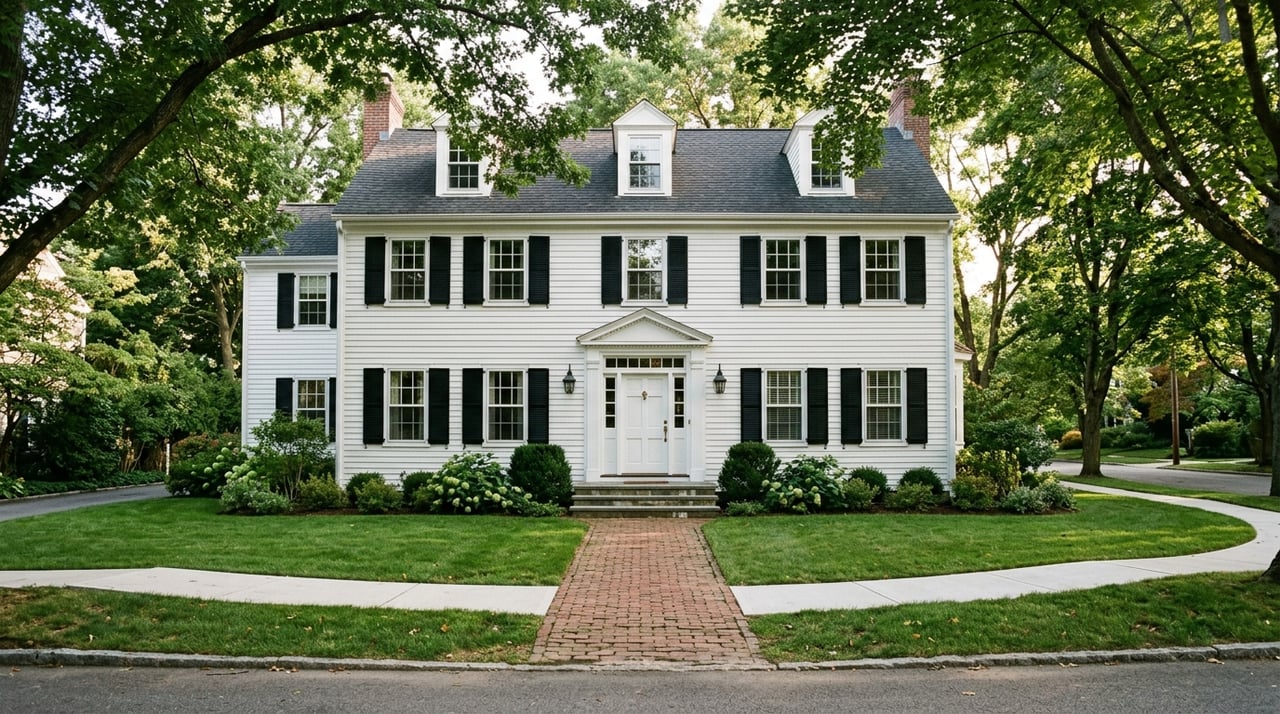
Route 10 has older housing development and a stronger traditional colonial feel, according to town design guidance. Route 177 saw more post-World War II housing development, which helps explain why certain sections of town feel different in age, layout, and streetscape.
Farmington Center and Unionville are often the areas buyers look at when they want more of a neighborhood-oriented setting. These locations can feel more removed from the business corridors while still keeping the town’s major destinations within reach.
Housing choices in Farmington
Farmington remains a largely owner-occupied community. Census data shows that 74.4% of housing units are owner-occupied, the median value of owner-occupied homes is $432,700, and the town has about 11,599 total housing units.
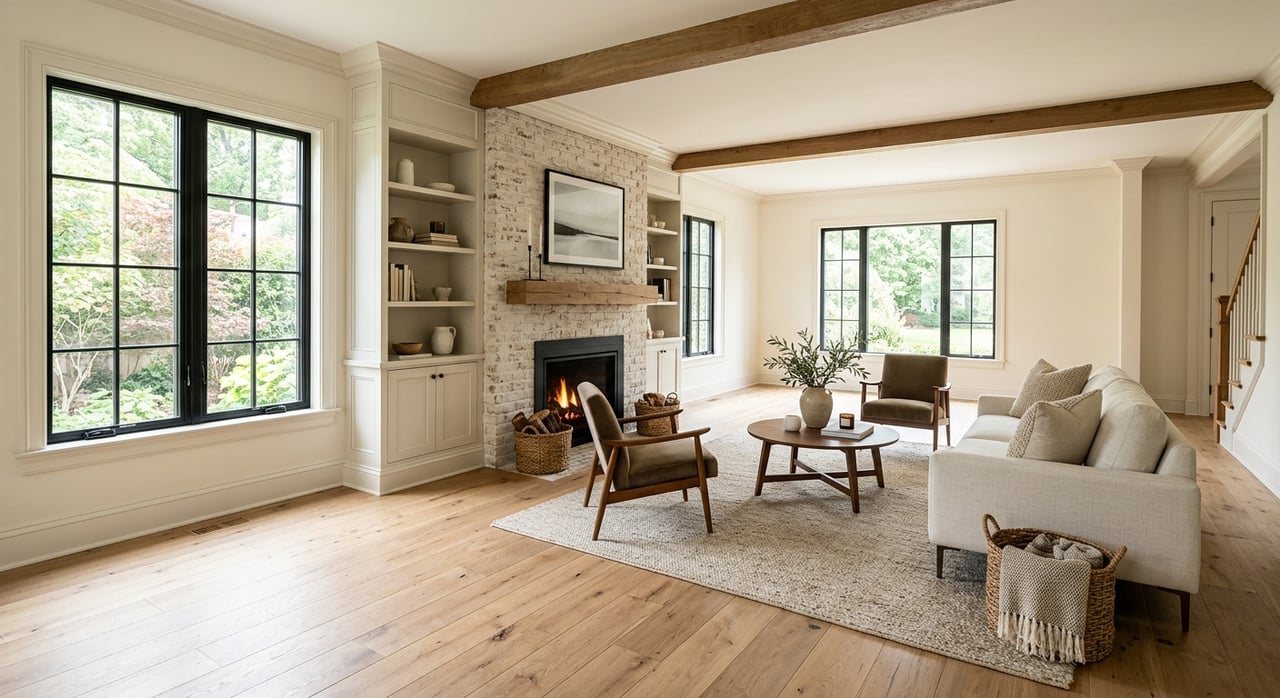
That profile often appeals to buyers who want a more rooted residential environment. At the same time, Farmington is not limited to detached single-family homes.
A town housing resource identifies apartment, condo, townhouse-style, and senior or accessible options in the local housing mix. Because that resource was updated in 2016, it is best used as a guide to housing types rather than a current inventory snapshot. Still, it supports what many buyers discover in practice: Farmington offers more variety than people expect.
What the architecture feels like
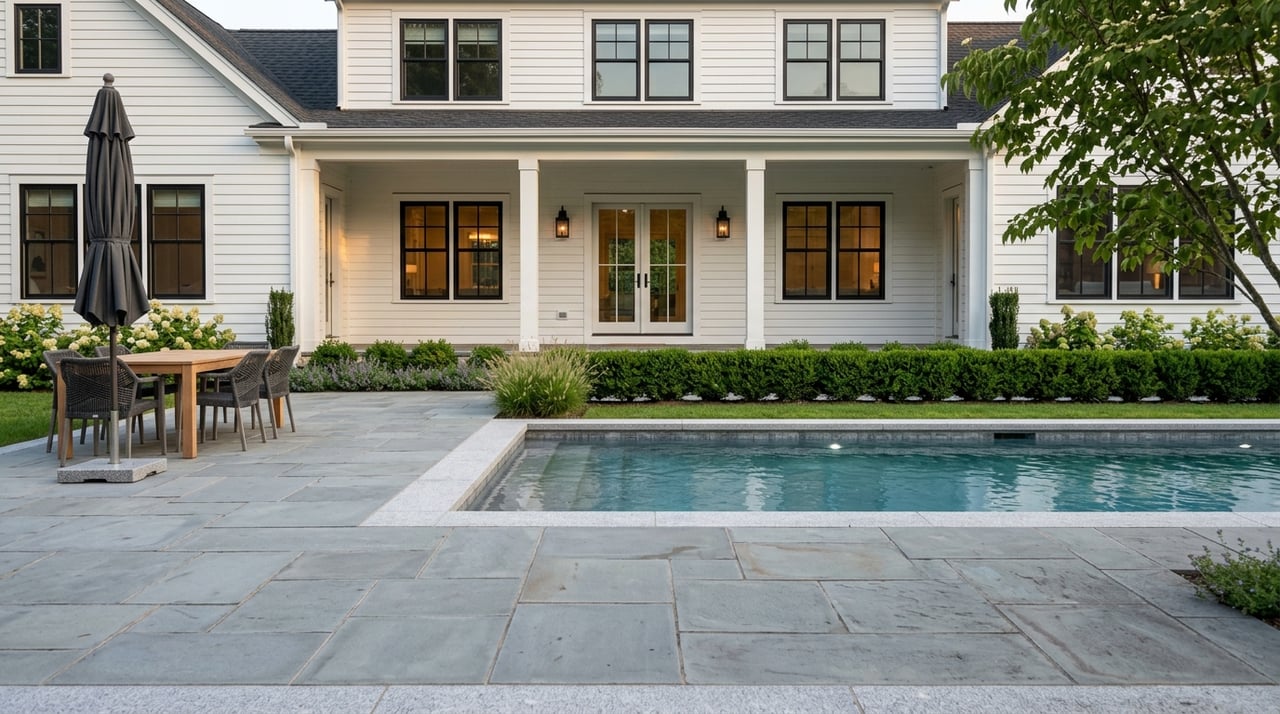
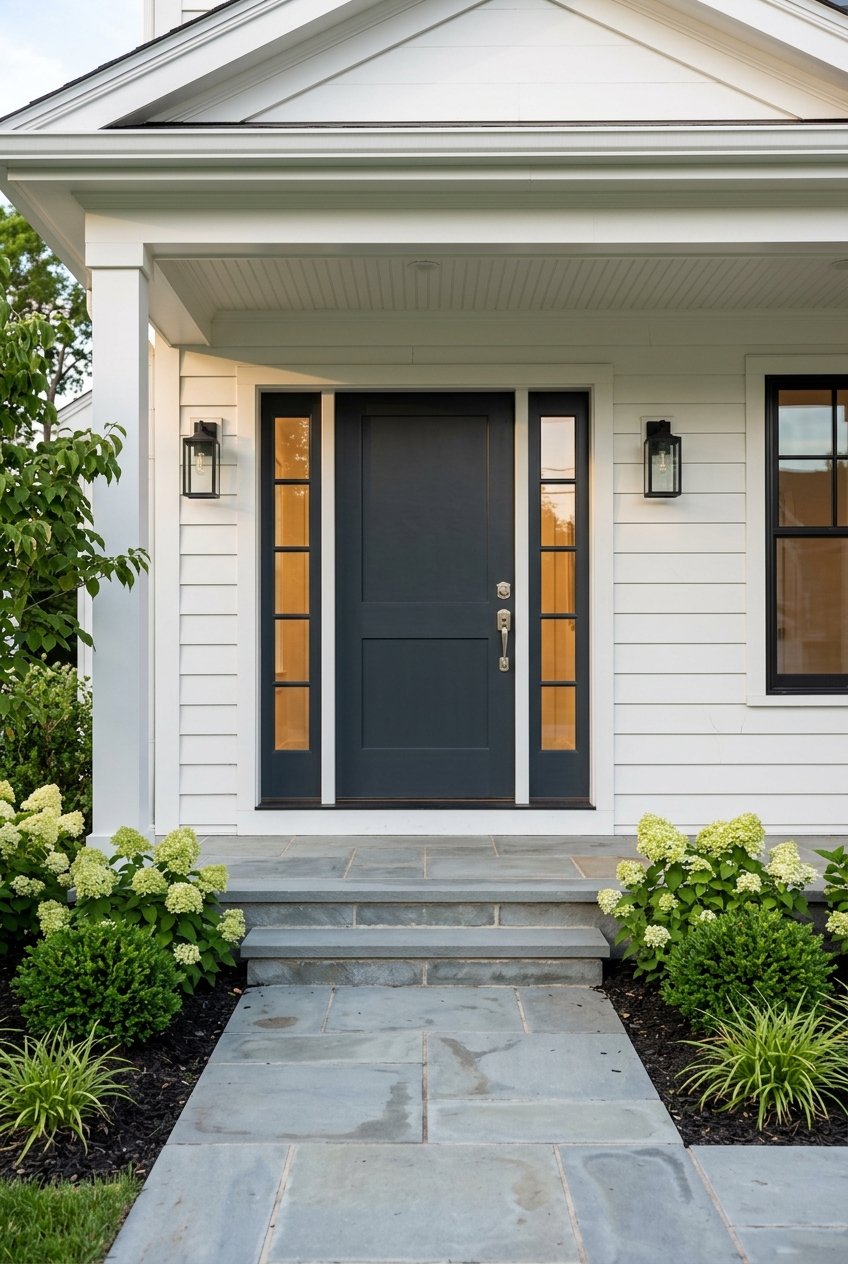
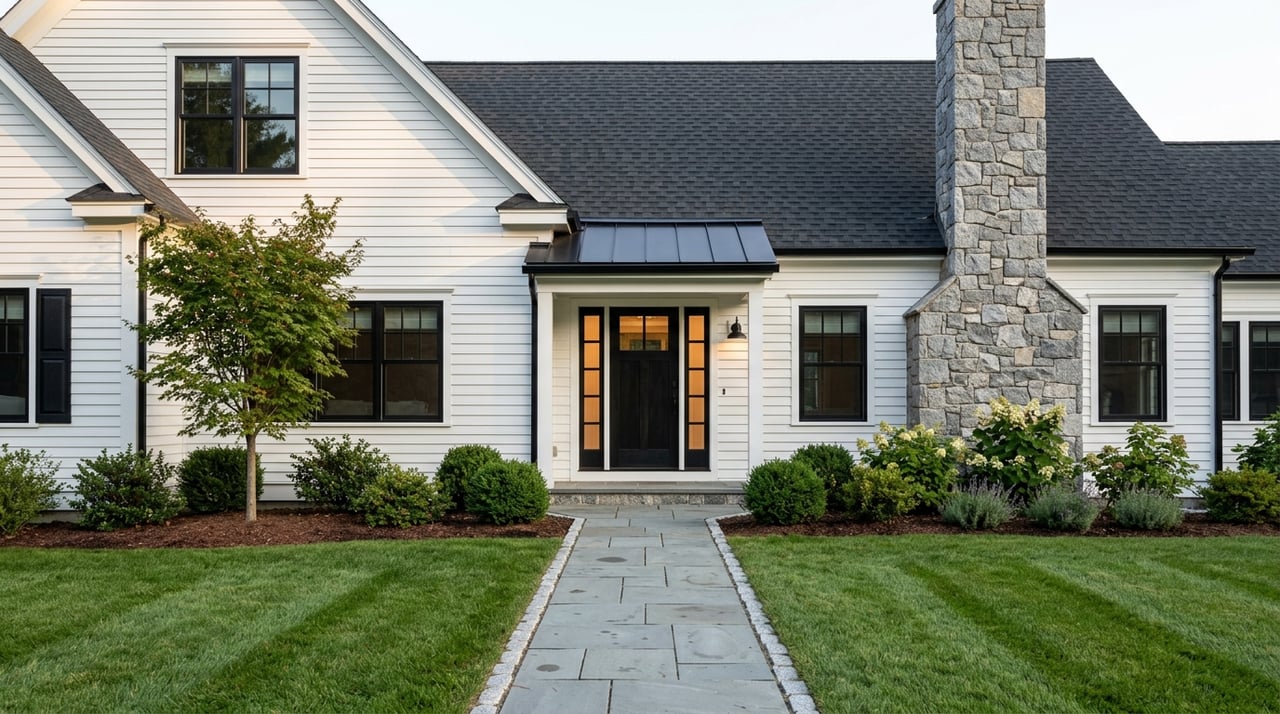
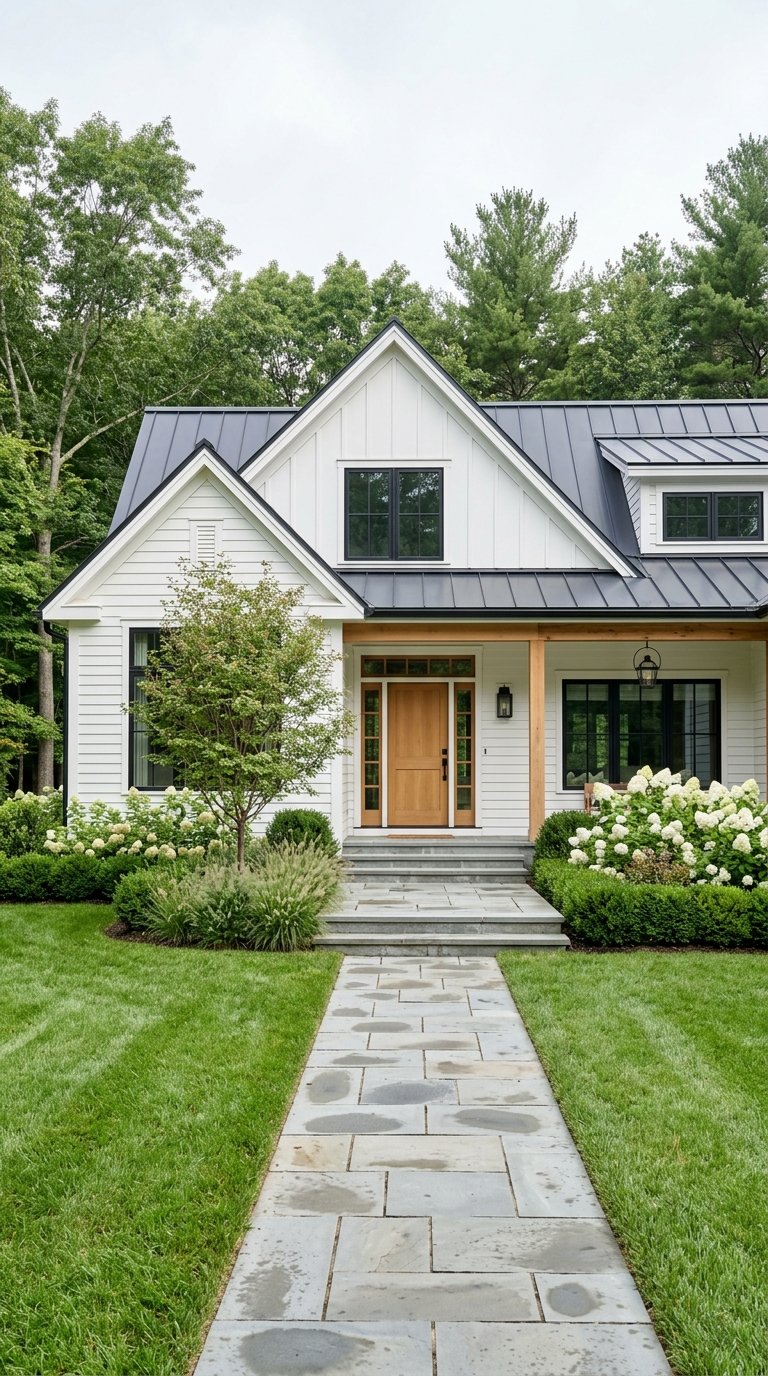
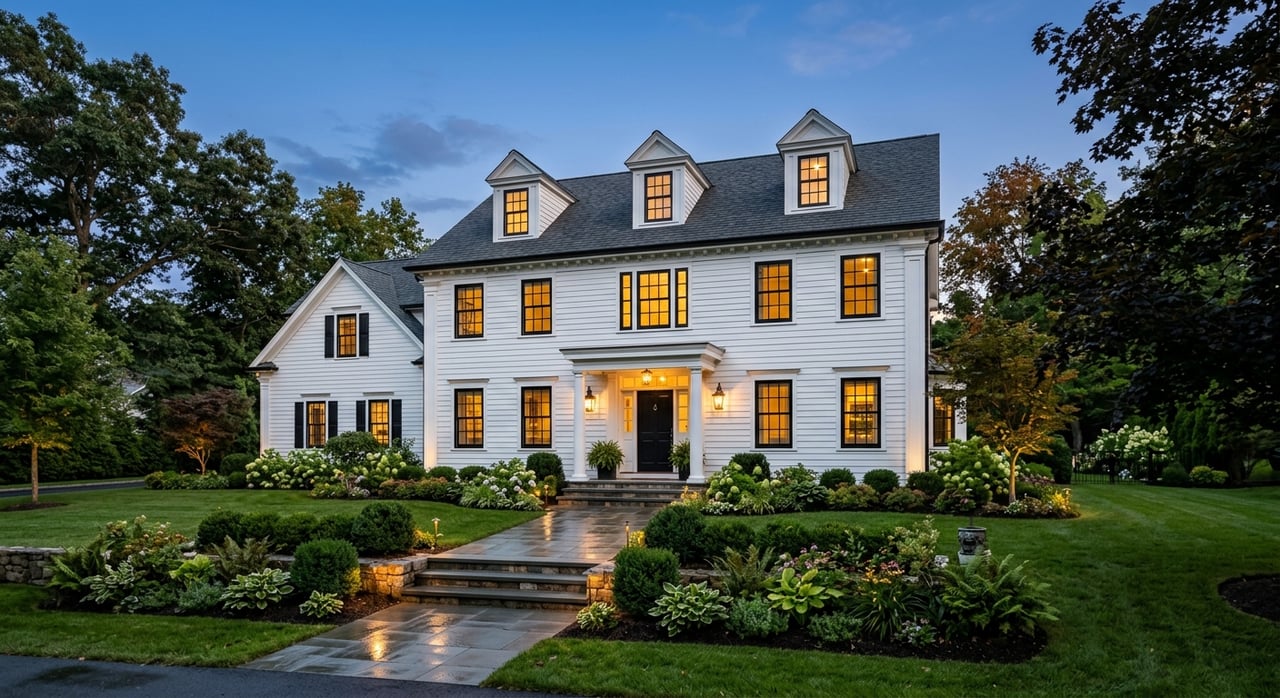
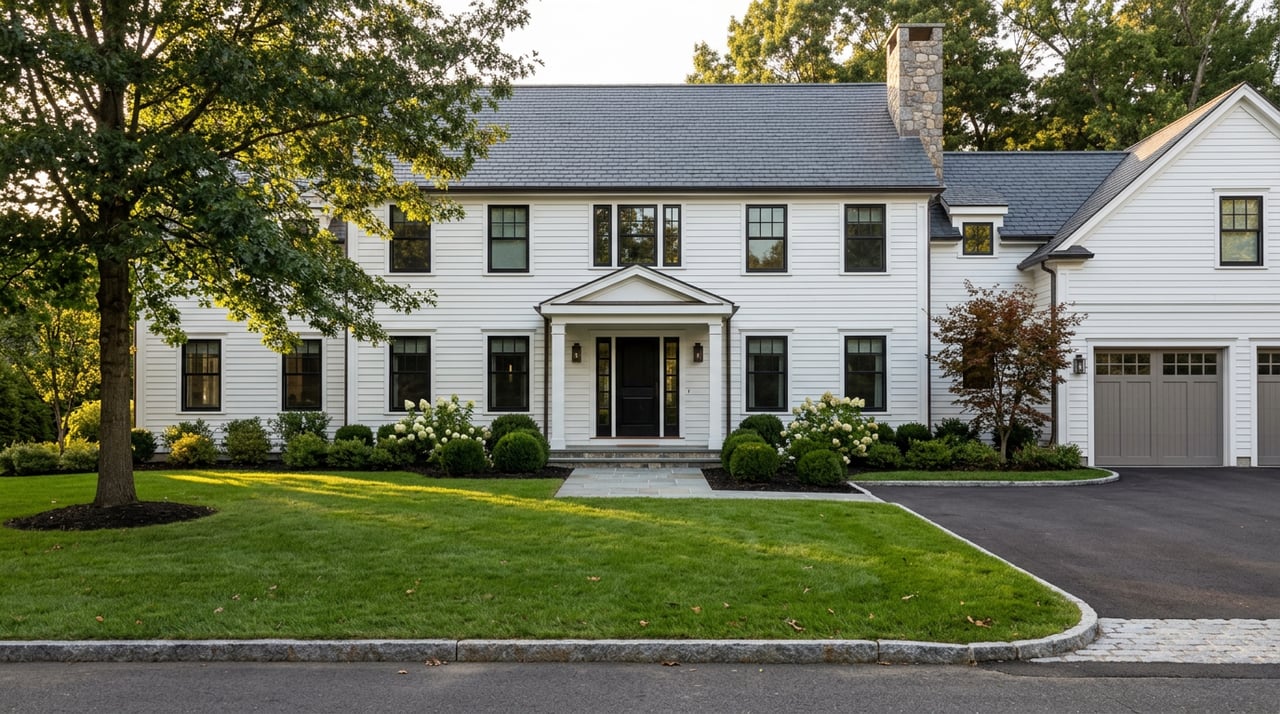
Farmington has worked to retain its character through historic districts and careful land-use planning. Town site-design guidance emphasizes a traditional New England and colonial appearance, often using materials such as clapboards, shingles, brick, and natural stone.
For buyers, that often translates into a sense of visual consistency that helps the town feel polished and established. If you are relocating from outside the area, this is one reason Farmington often leaves a strong first impression.
Life outside of work
A big advantage of living near Farmington’s medical and corporate center is that the lifestyle does not stop at the office. The town has a strong recreational and cultural layer, which helps daily life feel more balanced.
Farmington’s trail system is one of its standout features. The town says the network includes a National Scenic Trail, two trails on the Farmington Valley Greenway, eight historic trails connecting to at least five eras, several accessible trails leading to fishing piers, and six historic walks through Unionville and Farmington.
The Farmington Canal Heritage Trail follows the former New Haven and Northampton Railroad bed. For many residents, that means an easy option for walking, biking, or simply getting outside before or after work.
River access and outdoor recreation
The Farmington River adds another layer to local life. The town highlights access for boating, kayaking, fishing, tubing, and swimming, which gives the area a very different feel from a purely office-driven suburb.
If you want a town where your workday and your weekend do not feel disconnected, this can be a meaningful advantage. Outdoor access is part of what helps Farmington feel livable, not just convenient.
Culture and local identity
Farmington also offers a strong sense of place through its historic and cultural resources. Hill-Stead Museum and the Farmington and Unionville cultural districts contribute to that identity, along with institutions named by the state such as the Unionville Museum, the Stanley-Whitman House, and the Farmington Village Green and Library Association.
That cultural layer can be easy to miss if you only know Farmington as a work destination. Once you spend time in town, it becomes clear that the local identity is broader than the medical and corporate hub alone.
Shopping and everyday convenience
Daily convenience matters, especially if you are relocating and trying to simplify life quickly. Westfarms Mall remains a major regional shopping destination serving Farmington and nearby communities, which adds to the area’s practical appeal for errands and retail needs.
Combined with the town’s road network and employment base, that convenience helps support the kind of lifestyle many buyers want: efficient during the week, comfortable on the weekend, and connected to the larger Hartford region.
The key tradeoff to consider
For most buyers, the decision comes down to one central tradeoff: convenience versus character. Homes nearer Routes 4 and 6 usually make it easier to reach the medical and corporate hub quickly. Homes in Farmington Center or Unionville may offer a more historic or neighborhood-focused setting, with a slightly longer drive in exchange.
Neither option is automatically better. It depends on how you want your day to flow, how often you commute, and what kind of setting feels most like home to you.
That is where local guidance matters. In a town like Farmington, small location differences can shape your daily experience in a big way.
If you are weighing where to live in or around Farmington, a focused search can save time and help you compare the right tradeoffs from the start. For strategic, local guidance on Farmington neighborhoods, relocation decisions, and residential opportunities across the Farmington Valley, contact Lisa Sweeney & Team.
FAQs
What is Farmington’s medical and corporate hub?
- Farmington’s hub is centered around UConn Health’s Farmington campus, which includes UConn John Dempsey Hospital, the School of Medicine, the School of Dental Medicine, a major research enterprise, and the Jackson Laboratory for Genomic Medicine.
What is the commute like in Farmington, CT?
- Farmington’s mean travel time to work is 23.8 minutes, which is lower than Connecticut’s statewide average of 26.5 minutes, and the town is served by I-84 plus Routes 4, 6, 10, and 177.
Which parts of Farmington are closest to UConn Health?
- In general, homes closer to Routes 4 and 6 tend to offer faster access to UConn Health and the surrounding business areas, while Farmington Center and Unionville are often more residential in feel.
What types of homes are available in Farmington?
- Farmington has a largely owner-occupied housing profile and includes single-family homes as well as apartment, condo, townhouse-style, and accessible housing types.
What is there to do in Farmington outside of work?
- Farmington offers trails, river recreation, historic walks, cultural sites, and regional shopping, including the Farmington Canal Heritage Trail, the Farmington River, Hill-Stead Museum, and Westfarms Mall.
Is Farmington a good fit for relocation buyers?
- Farmington can appeal to relocation buyers who want access to major employers, a residential setting, varied housing choices, and a mix of convenience, outdoor amenities, and historic character.