Looking for a neighborhood that feels connected, walkable, and rooted in local character? Living near Farmington Village offers a different experience from a typical suburban stretch of road lined with chain stores. If you want easy access to daily essentials, a mix of dining options, and meaningful green space close to home, this part of Farmington deserves a closer look. Let’s dive in.
Why Farmington Village Stands Out
Farmington describes itself as a residential suburb in the Hartford metro area that has kept its distinctive character through historic preservation and careful land-use planning. That matters when you are choosing where to live, because it helps explain why the village core feels more cohesive and established than many newer commercial areas.
The Farmington Center Zone and Farmington Village District were created to protect historic landscapes and structures while guiding mixed-use development and supporting pedestrian access and safety. In 2025, Connecticut also designated Farmington and Unionville as cultural districts, recognizing these village centers as walkable areas with cultural assets. Together, those pieces shape a village setting that feels historic, active, and easy to enjoy on foot.
Shops Near Main Street
One of the practical advantages of living near Farmington Village is how many everyday stops sit close together along the Main Street corridor. Instead of planning a long drive for small errands, you may find that produce, dinner, gifts, and specialty items are all nearby.
Local businesses help define that experience. Highland Park Market at 204 Main Street offers groceries including produce, bakery, deli, and meat. Mountain View Farm-Stand at 256 Main Street, La Vinotheque at 202 Main Street, and Olee's Master Pizza at 222 Main Street add to the convenience of the village core.
The result is a commercial area that feels useful, not overbuilt. You get access to daily needs and familiar local businesses in a setting that supports a more neighborhood-oriented routine.
Dining Options Close By
Farmington Village also offers a broader dining mix than you might expect from a historic village area. Whether you want a quick meal, a casual outing, or a more established dinner spot, there are several options in and around the core.
Yume at 45 South Main Street brings sushi and hibachi to the mix. Fork & Fire at 838 Farmington Avenue offers New American dining and also lists brunch and outdoor dining. Piccolo Arancio at 819 Farmington Avenue adds a long-running Italian restaurant presence nearby.
For buyers comparing lifestyle tradeoffs, this variety can matter more than it first appears. Having a few solid dining choices close to home often makes everyday living feel easier and more flexible.
Historic Landmarks Shape Daily Life
The feel of Farmington Village is not just about shops and restaurants. Historic anchors throughout the area give the neighborhood a strong sense of continuity and place.
The Farmington Village Historic District was established in 1964. The Stanley-Whitman House at 37 High Street, built in 1720, is a National Historic Landmark that interprets 18th-century Farmington. The Farmington Historical Society also maintains 18th-century cottages on Main Street and the Old Stone Schoolhouse.
You can see that history in the civic spaces that remain part of daily village life. Barney Library at 71 Main Street serves as an everyday community anchor, while FVGLA owns and manages the Farmington Libraries, the Stanley-Whitman House, the Village Green, and Memento Mori Cemetery.
For many buyers, that established setting is part of the appeal. It creates a village center with visible history and public spaces that feel integrated into the rhythm of the town.
Green Space Is Part of the Lifestyle
If outdoor access matters to you, Farmington offers more than a small park or two. Town resources show that trails, walks, and open space are a central part of living here.
The Farmington Valley Multi-Use Trails are paved, handicap-accessible, and used for walking, jogging, inline skating, and biking. The Farmington Canal Heritage Trail and Farmington River Trail both connect through town, and the River Trail branches near Tunxis Mead Park before reconnecting in Simsbury.
That variety gives you options for different kinds of days. You can choose an easy paved walk, a bike ride, or a longer outdoor outing without leaving Farmington.
Walks, Hikes, And Outdoor Variety
Beyond the major trail system, Farmington publishes a range of local walks and hikes. These include the 2.4-mile Farmington 19th Century Walk, the Colonial Walk, the Freedom Trail, the Hill-Stead Museum Trails, Reservoir Rock, Farmington Mountain, and New England Trail hikes to the highest point in Farmington.
The town also notes paved trail access to a fishing pier on a quieter section of the river. That adds another layer to the outdoor experience, especially if you want a mix of active recreation and calmer natural settings.
Hill-Stead on Mountain Road also contributes to the area's appeal. The National Park Service identifies it as a Colonial Revival National Historic Landmark, and its 152 acres now function as parkland and outdoor recreation space.
What Homes Near the Village Look Like
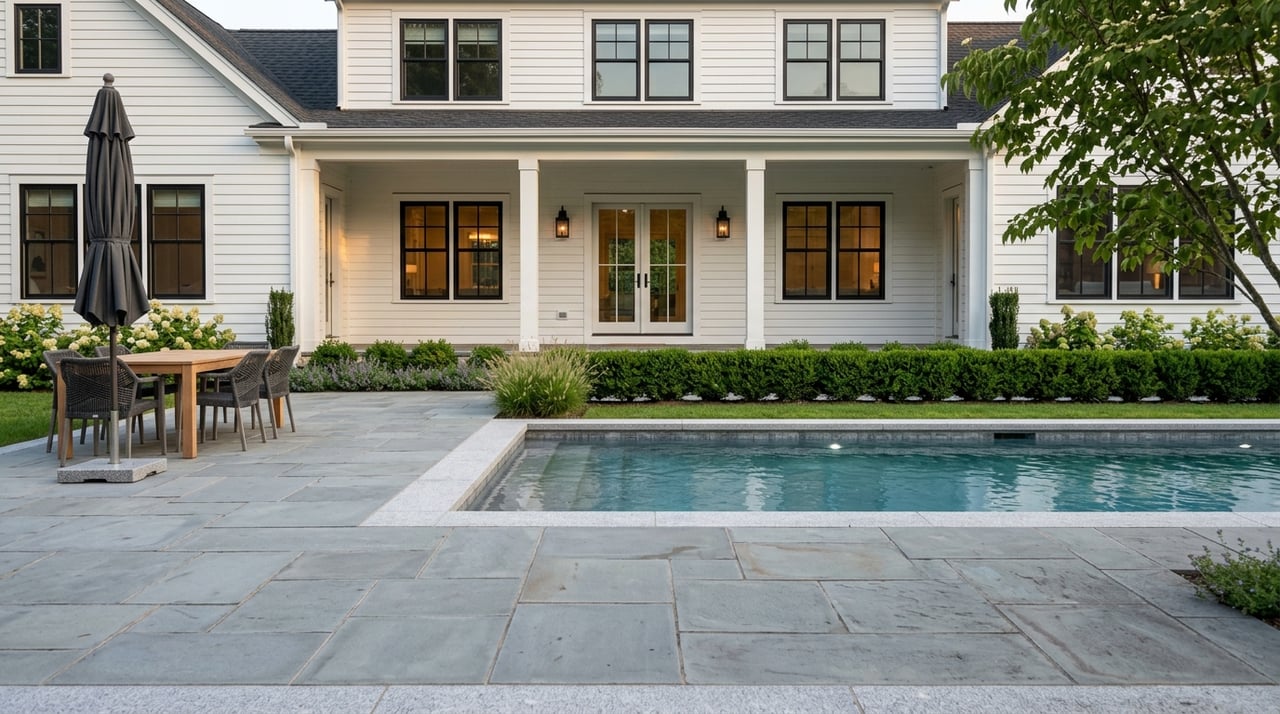
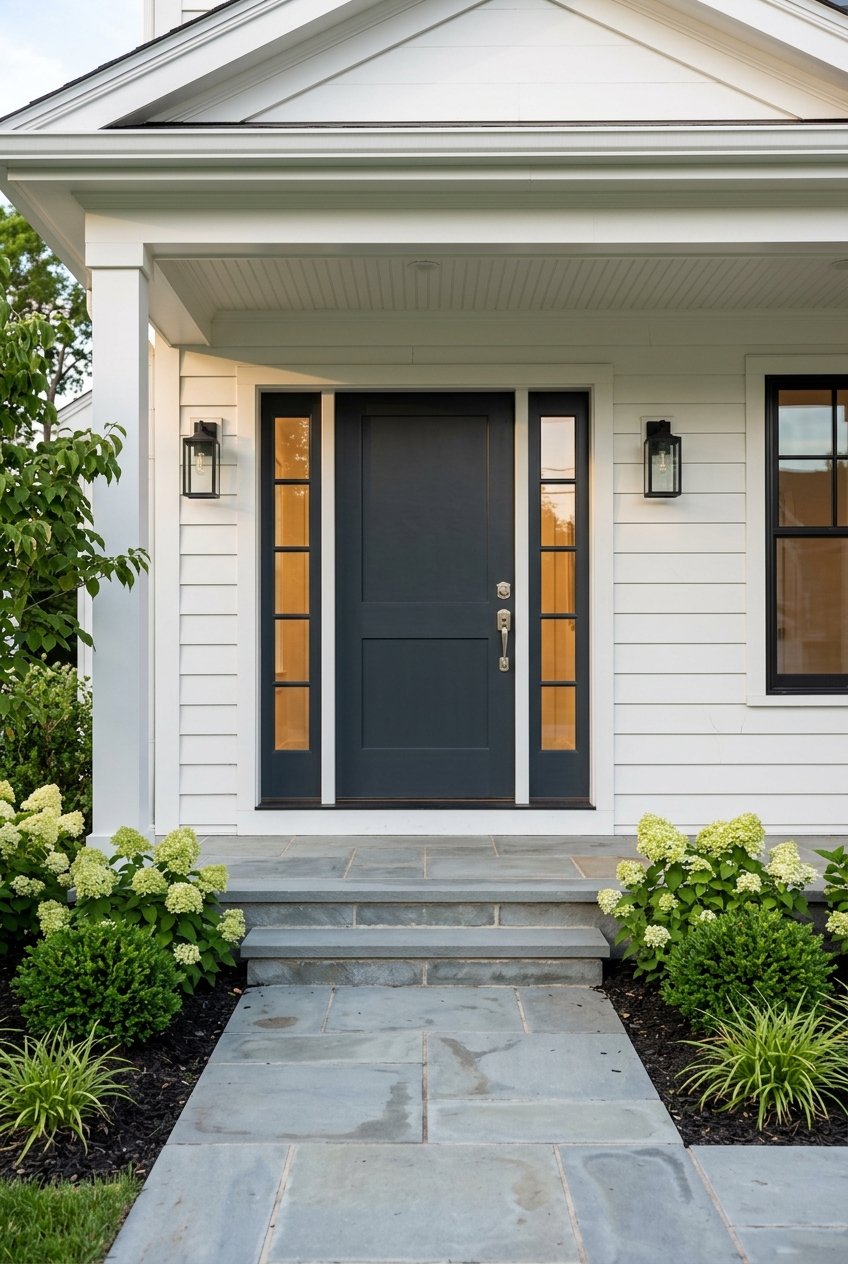
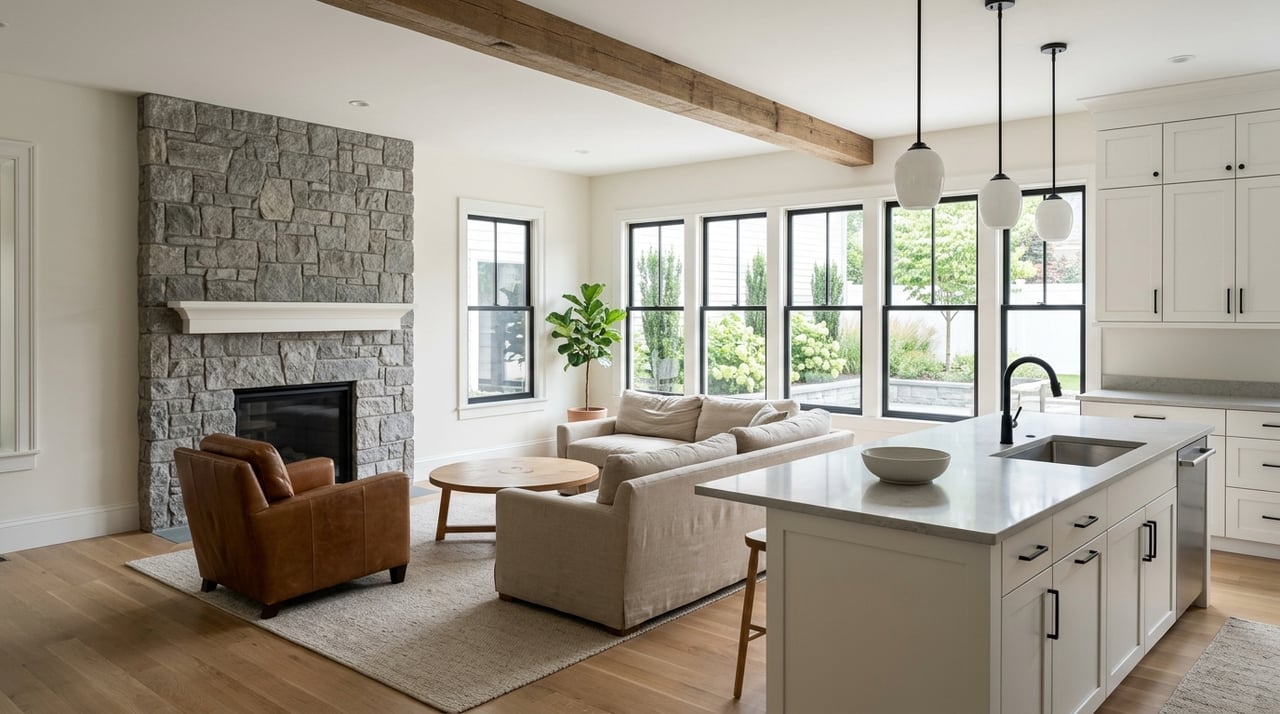
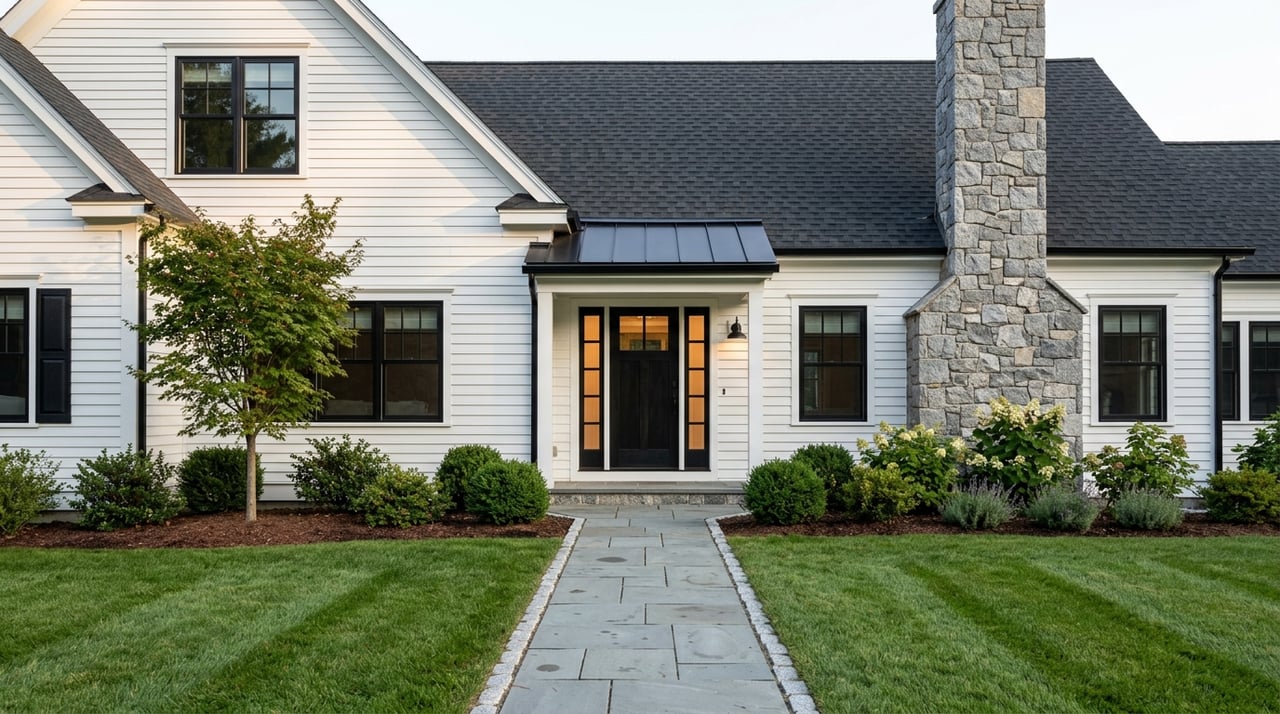
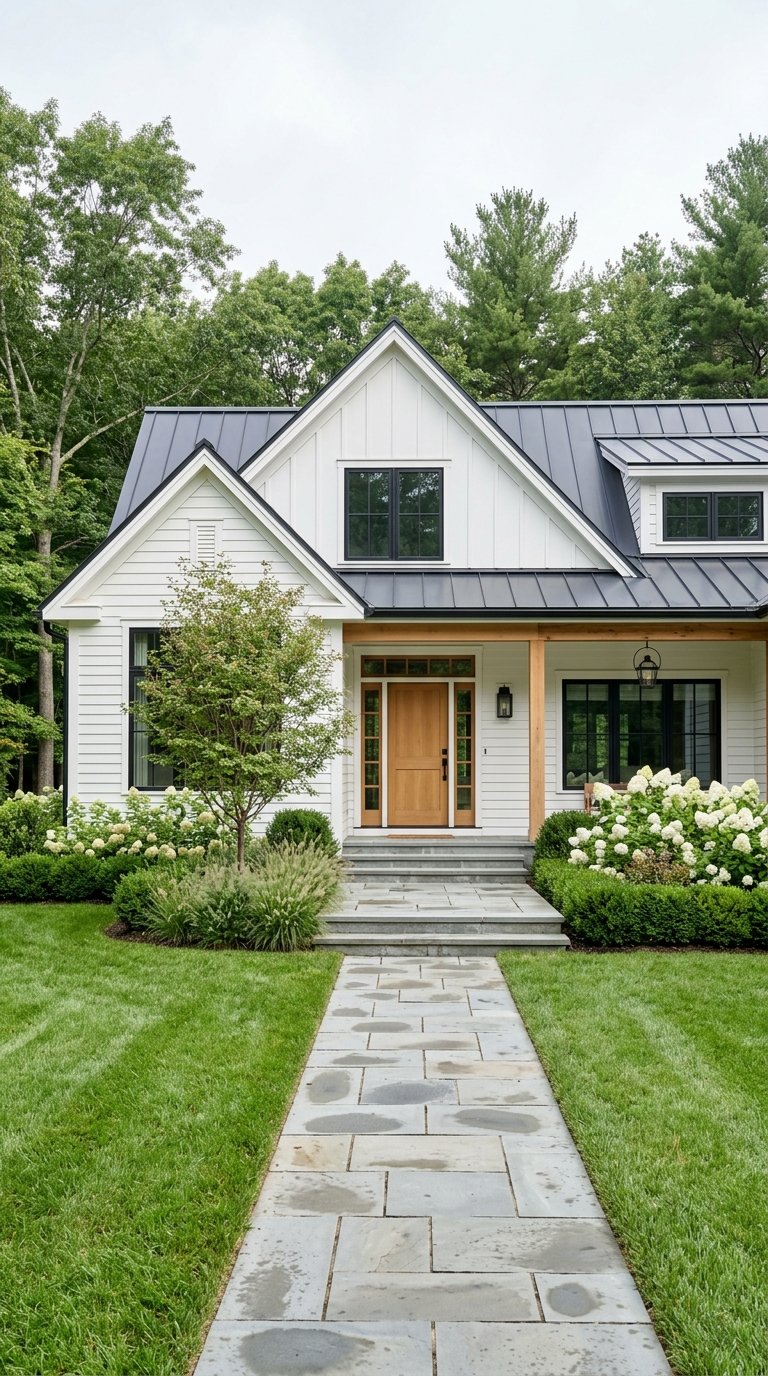
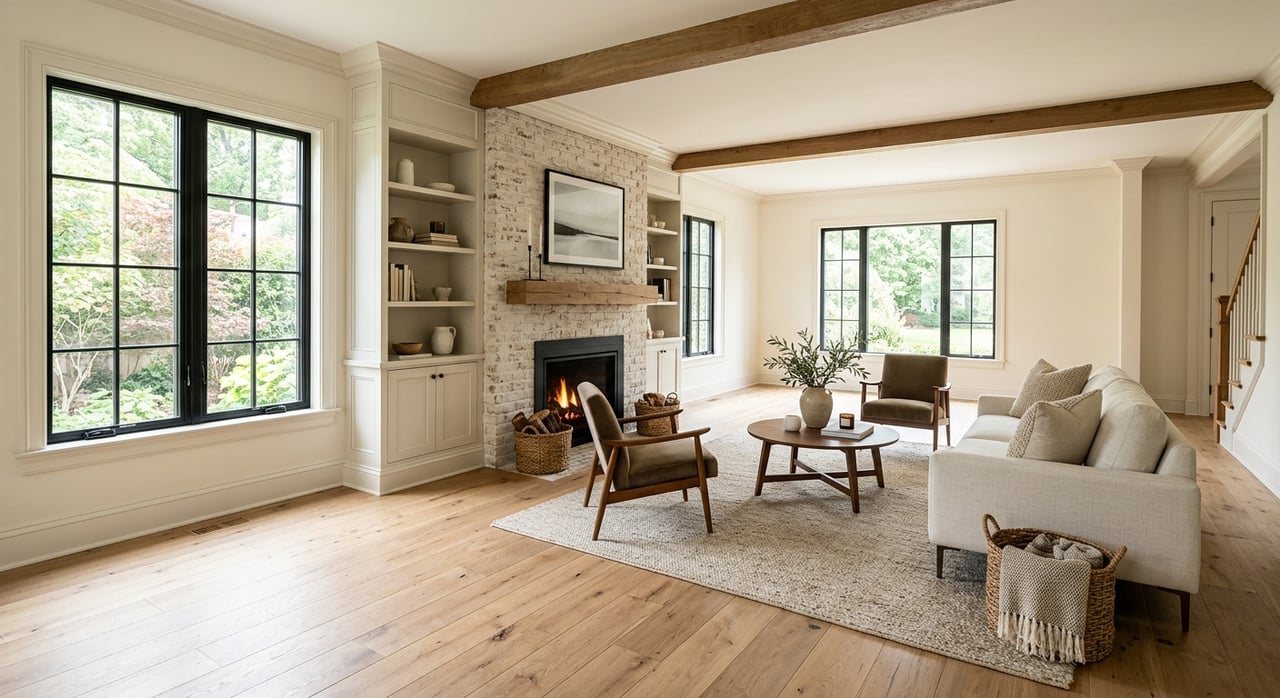
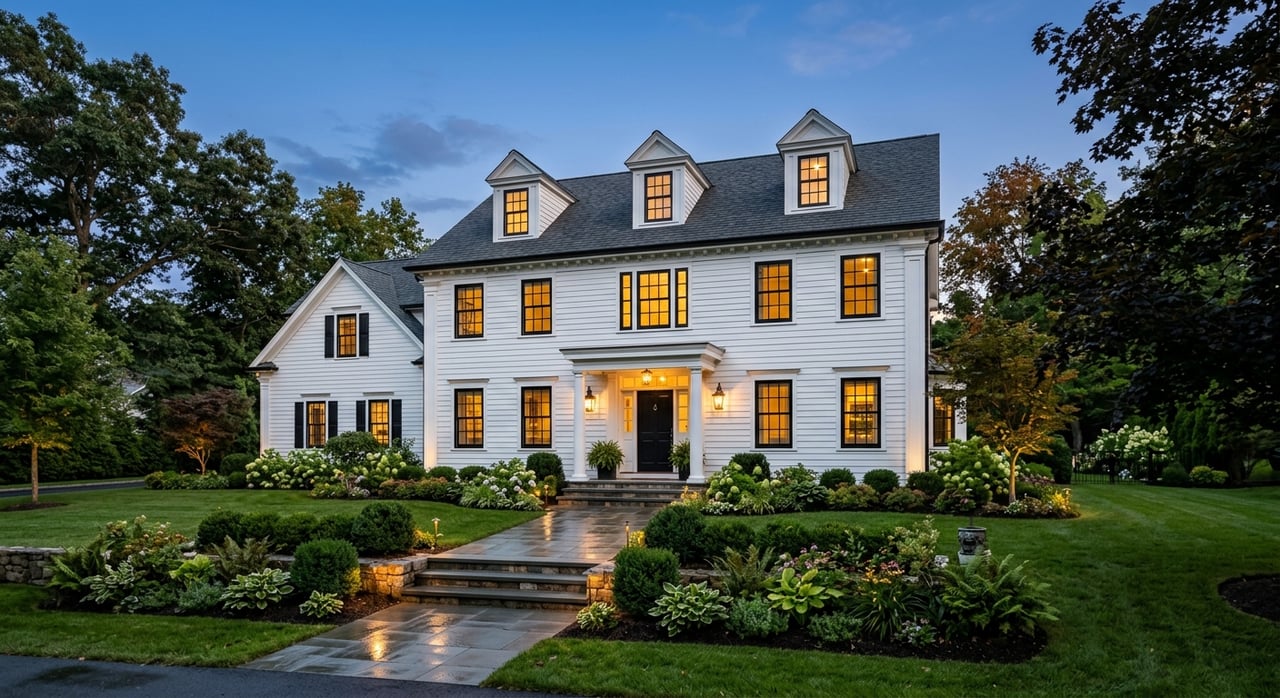
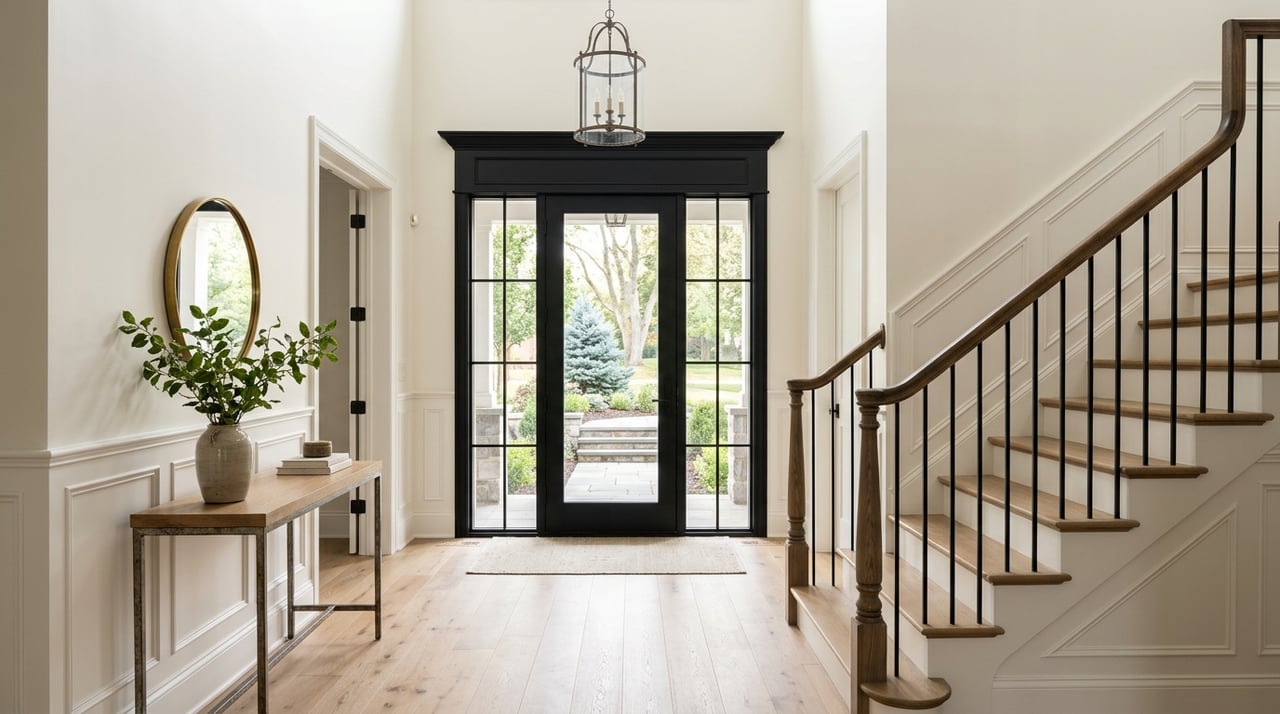
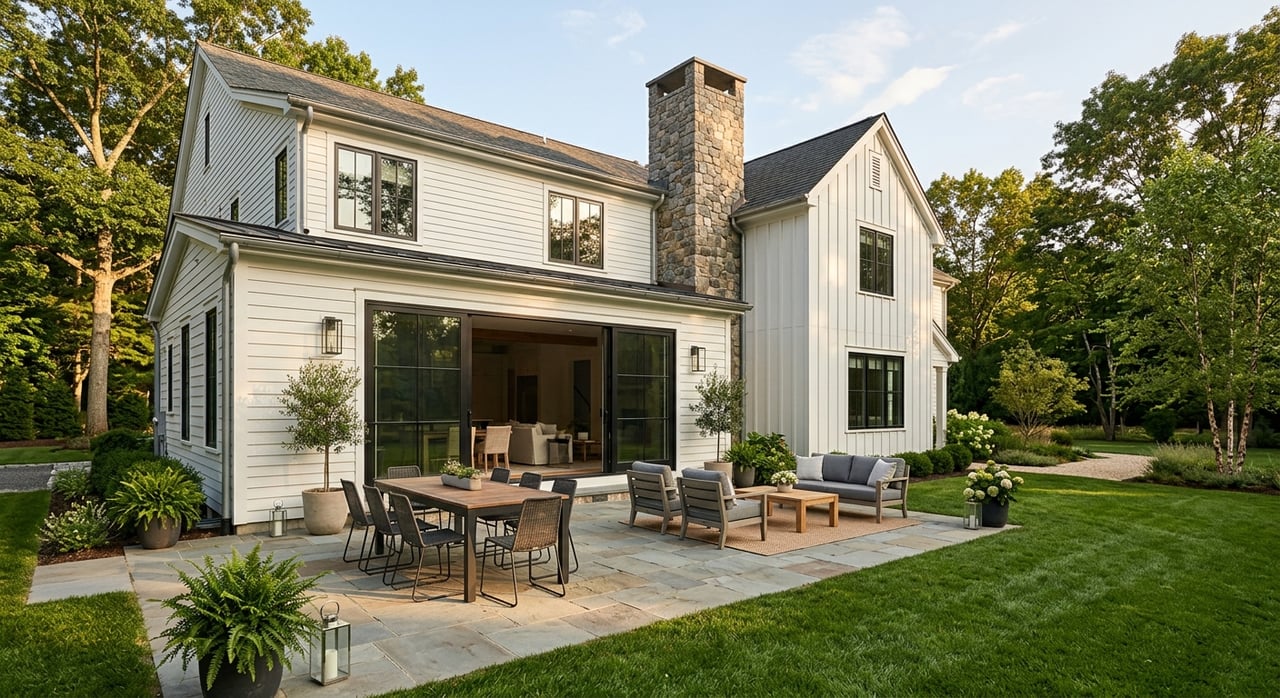
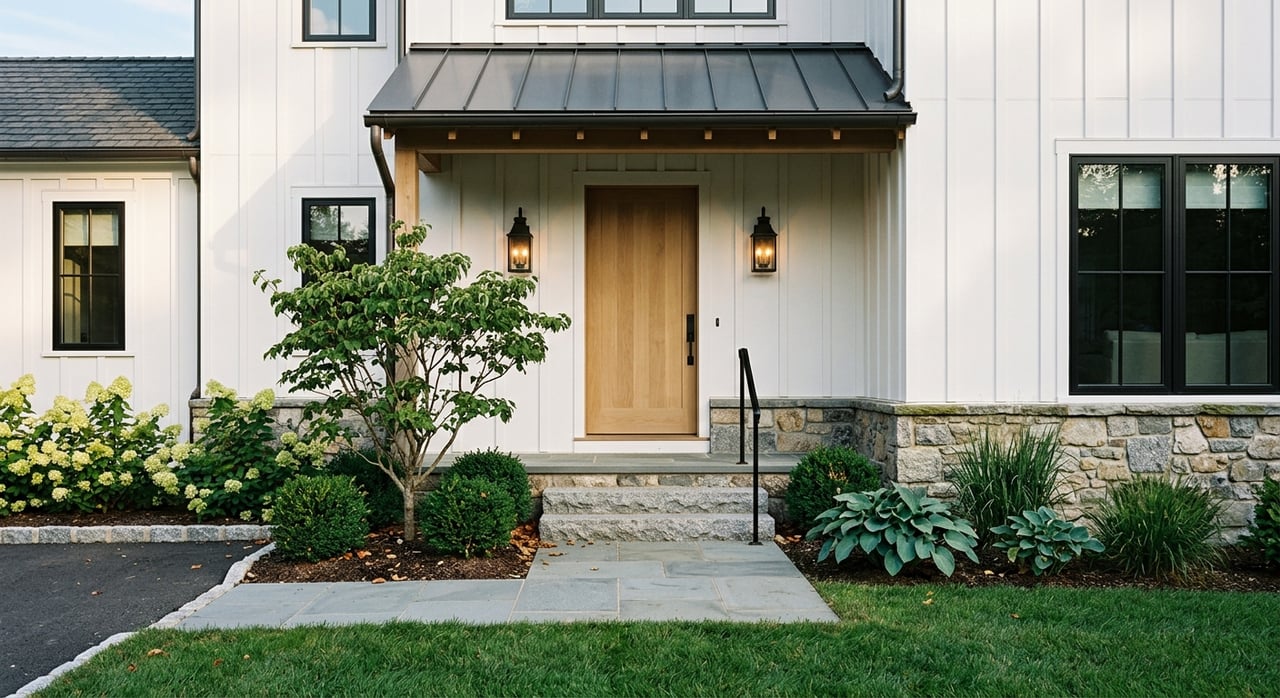
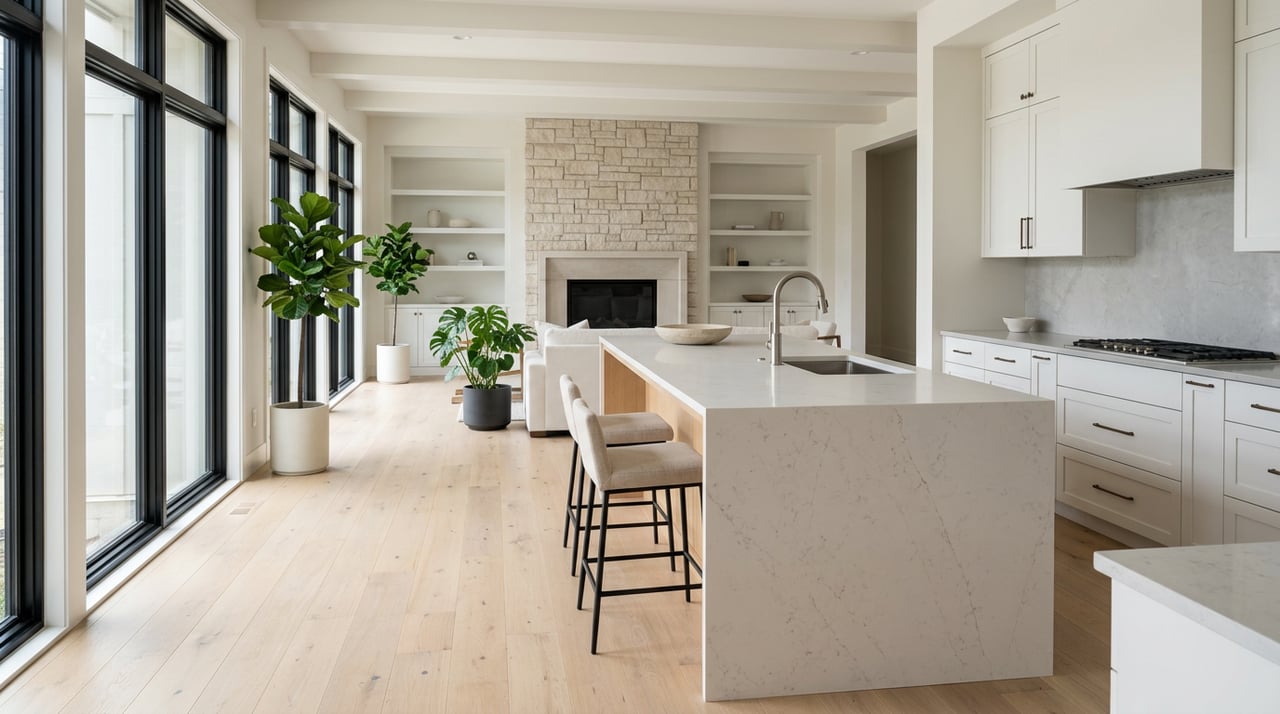
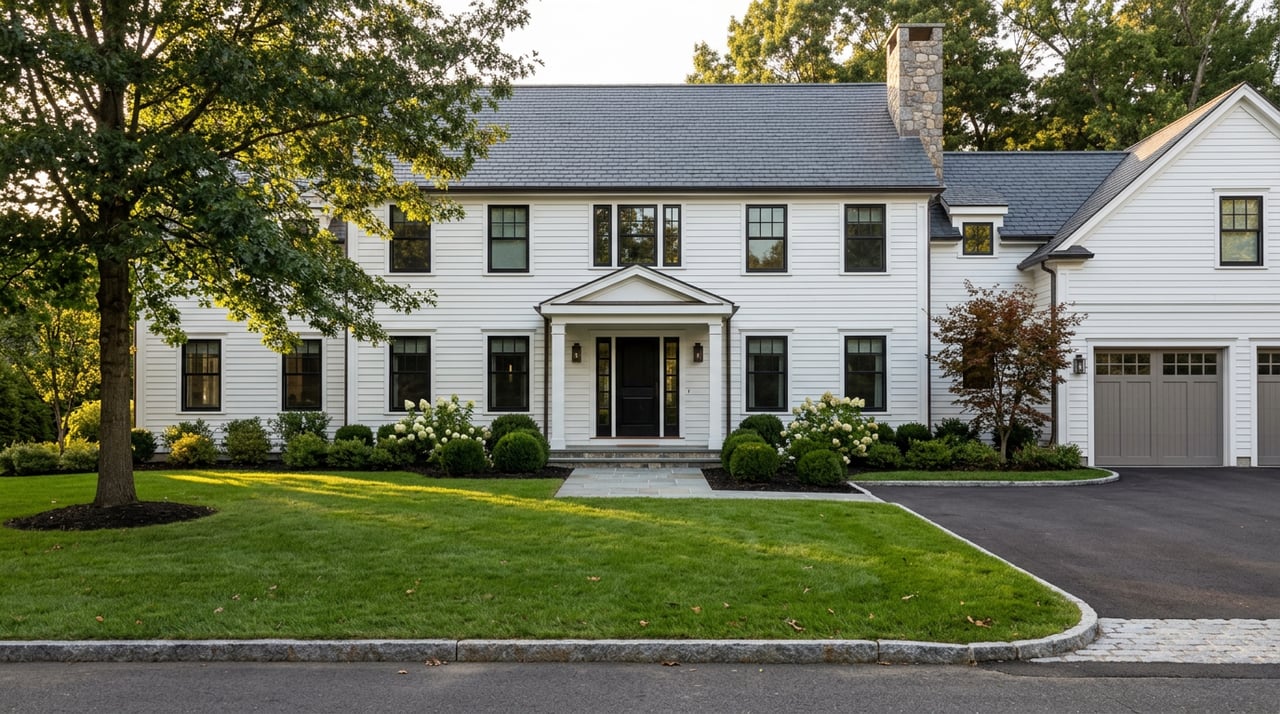
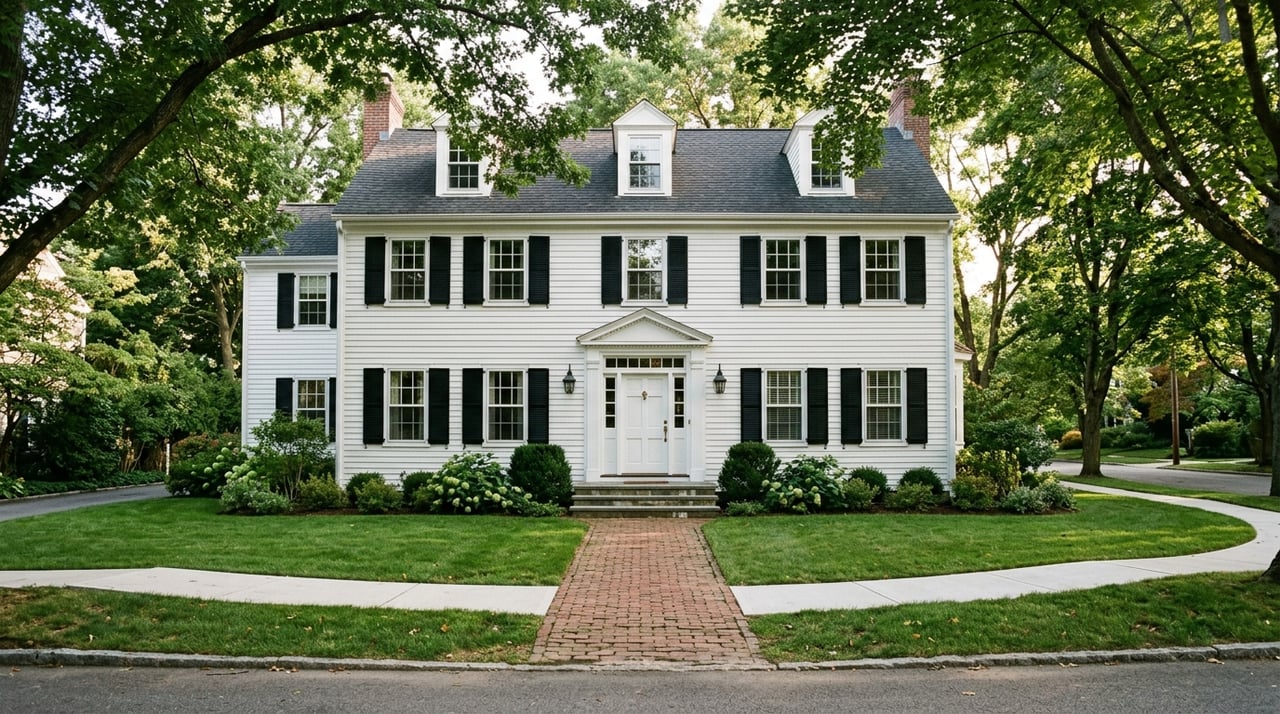
The housing stock near Farmington Village is shaped more by preservation than by large-scale new construction. If you are searching here, it helps to understand that the housing mix reflects the area's historic setting and development rules.
Town historic walks highlight colonial-era homes and homes built in the 1800s. The Farmington Village District requires visible new construction and rehabilitation to respect historic character, materials, views, and streetscape. That means the look and feel of the area are intentionally protected.
At the same time, the Farmington Center Zone allows retail, offices, restaurants, apartments, and condominiums in mixed-use structures. The town also permits accessory dwelling units in single-family zones. In practical terms, buyers are more likely to find historic single-family homes, updated older houses, and a limited number of attached or mixed-use options than rows of similar new subdivision homes.
Who May Enjoy This Area Most
Living near Farmington Village can be a strong fit if you value character, convenience, and outdoor access in one setting. It may appeal to buyers who want a neighborhood with established architecture, civic landmarks, and a walkable village core rather than a more auto-oriented retail corridor.
It can also work well if you want variety in your housing search. Some buyers are drawn to the details and setting of an older home, while others are looking for a lower-maintenance option closer to village services. Near the village, those possibilities can exist within the same broader area.
For relocation buyers, this part of Farmington also offers a helpful snapshot of what makes the town distinct. You can see how preservation, public spaces, and daily convenience come together in a way that feels intentional and lasting.
Why Local Guidance Matters
In a market like Farmington, location decisions often come down to small but important differences. A home near the village may offer a different lifestyle rhythm, lot setting, or architectural context than another property just a few minutes away.
That is where experienced local guidance becomes valuable. Understanding how historic character, mixed-use zoning, trail access, and housing type intersect can help you narrow your options with more confidence. If you are buying or selling in Farmington, clear strategy and local context make the process smoother.
If you are considering a move near Farmington Village or preparing to sell in this part of town, Lisa Sweeney & Team offers calm, strategic guidance backed by deep Farmington Valley experience. Request a confidential consultation.
FAQs
What is it like living near Farmington Village?
- Living near Farmington Village means being close to a historic, walkable village core with local shops, dining, civic landmarks, and strong access to trails and green space.
What shops are near Farmington Village?
- Shops and everyday stops near the village include Highland Park Market, Mountain View Farm-Stand, La Vinotheque, Olee's Master Pizza, and other long-running local businesses along Main Street and nearby.
What dining options are near Farmington Village?
- Dining options near Farmington Village include sushi and hibachi at Yume, New American dining at Fork & Fire, and Italian dining at Piccolo Arancio.
What outdoor spaces are near Farmington Village?
- Outdoor options near Farmington Village include the Farmington Valley Multi-Use Trails, the Farmington Canal Heritage Trail, the Farmington River Trail, Hill-Stead grounds, local historic walks, and hiking routes such as Reservoir Rock and Farmington Mountain.
What kinds of homes are near Farmington Village?
- Homes near Farmington Village are often historic single-family houses, updated older homes, and a limited number of attached or mixed-use options shaped by preservation rules and village zoning.
Is Farmington Village a good area for buyers who want walkability?
- Farmington Village may appeal to buyers who want a more pedestrian-oriented setting, since town planning for the village core supports mixed-use development along with pedestrian access and safety.