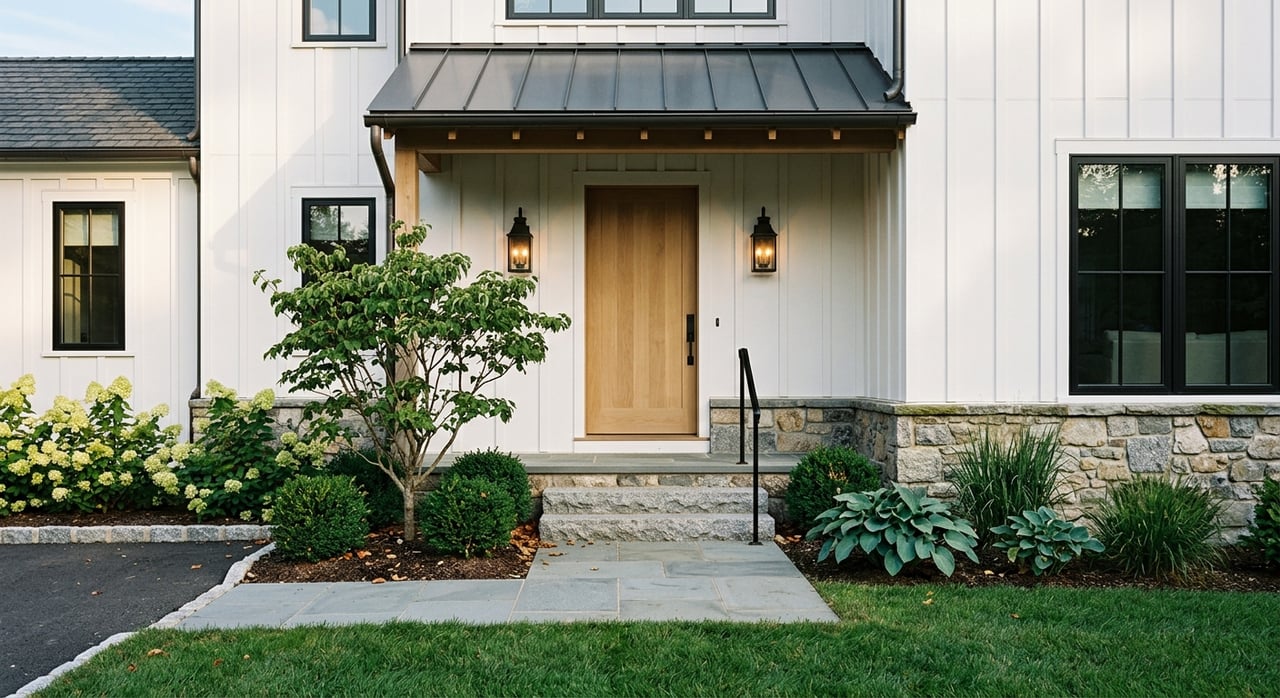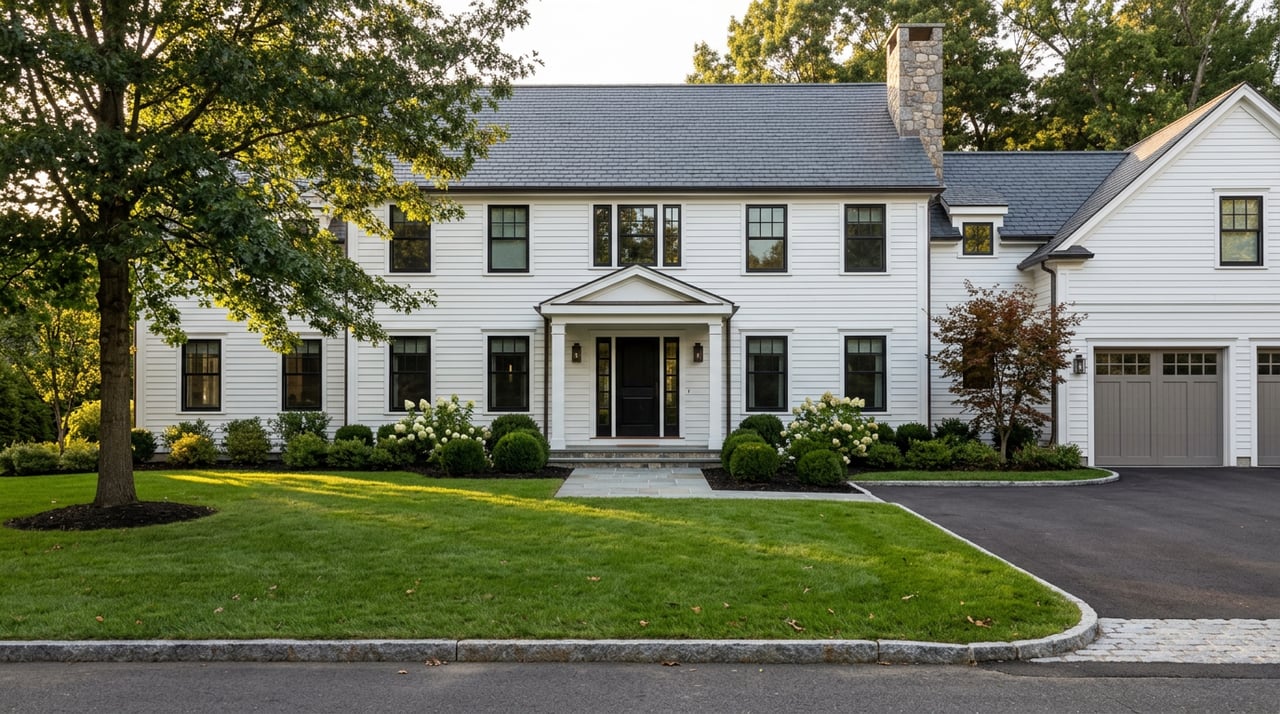
Building a new home in Avon can feel like the perfect way to get exactly what you want, until the details start stacking up. A lot that looks ideal may still need wetlands review, sewer approvals, or septic signoff before construction can move forward. If you want fewer surprises and better decisions from the start, understanding the local process matters. Let’s dive in.
Start With The Lot
Before you fall in love with a floor plan, make sure the lot can support it. In Avon, utility access is a major early checkpoint because the town includes both public sewer service and private septic systems. According to Avon’s town planning materials, about 52% of dwelling units are on public sewer, which means many parcels still require septic planning and health district review.
That utility split changes how you should evaluate land. A parcel on paper is not always a parcel ready to build. Avon also notes that much of the land zoned for single-family homes on one- or two-acre lots has already been developed, which helps explain why truly buildable lots can be limited even when listings seem available.
To review a parcel, Avon provides useful public resources. The town’s Engineering Department map resources include sewer and lateral maps, flood insurance maps, zoning maps, assessing maps, and access to GIS and property-record tools.
Check Wetlands Early
If a property touches wetlands or a watercourse, expect another layer of review. Avon has an Inland Wetlands Commission with maps, forms, and site-walk materials, and Connecticut DEEP guidance noted by the town says work that may affect inland wetlands or watercourses needs review before construction begins.
This matters because wetlands issues can affect placement, not just whether you can build. House footprint, driveway location, grading, and drainage plans may all be part of the conversation.
Understand Sewer Versus Septic
If the lot will use septic, the approval path runs through the local health process. The Farmington Valley Health District’s location approval packet shows that lot adequacy, septic sizing, system location, and separation distances all need to be demonstrated.
If the home will connect to public sewer, Avon’s sewer connection requirements call for design drawings, documentation, fee payment, insurance and bond information, and engineering review before a permit is issued. In other words, a lot can look ready and still have meaningful pre-construction steps ahead.
Vet The Builder Before You Sign
A polished website or confident sales pitch is not enough. In Connecticut, new home construction contractors must be registered with the Department of Consumer Protection before a building permit may be issued. You can verify that status through the state’s public DCP registration guidance and lookup tools.
That pre-signing review matters even more because Connecticut does not provide a three-day cancellation right for real estate contracts or new home construction contracts. Once you sign, your options are more limited than many buyers expect.
Know What The Builder Must Provide
Connecticut says a builder must provide a copy of its valid certificate of registration before contract signing, along with specific written notice requirements. The state also requires contract language about whether prospective customers may contact you, unless you opt out in writing.
These details may seem minor, but they signal whether the builder handles consumer protections carefully. They also give you a better framework for reviewing the full contract with your attorney.
Registration Is Not A Quality Guarantee
State registration is important, but it is not an endorsement of workmanship. The Department of Consumer Protection makes that clear in its consumer guidance.
That is why you should also:
- Ask to see recently completed homes
- Request references from past clients
- Contact several prior customers about quality and timing
- Review the contractor’s complaint history
The state’s home improvement and contractor guidance supports this kind of due diligence. It is one of the smartest ways to reduce risk before construction starts.
Understand New Home Warranty Basics
Connecticut provides important protections for buyers of new single-family homes and condominium units. The state outlines express and implied one-year new home warranties, and those warranties cannot be excluded or modified by the sales contract or deed.
The same state guidance explains that the New Home Construction Guaranty Fund may reimburse up to $50,000 in certain cases, but only after specific legal steps and only if the contractor had been properly registered within the required timeframe. That is another reason builder verification should happen before you commit.
Keep Selections And Permits Aligned
One of the biggest mistakes buyers make in new construction is treating design choices and permit milestones as separate tracks. In reality, they are deeply connected. In Avon, the building and inspection process follows a staged sequence, and each approval affects what can happen next.
According to the town’s inspection information sheet, the sequence can include visible street numbering, site work, erosion control, footing, foundation, as-built plot plan, rough inspections, insulation, septic, sewer, well water testing where applicable, driveway work, and final certificate of occupancy approval. All required approvals must be complete before a certificate of occupancy is issued.
Why Late Changes Cost More
This is where new construction often gets more expensive than buyers planned. If you change fixtures, finishes, or layouts after plans are approved, those revisions can affect documentation, scheduling, inspections, and final signoff.
Even a change that seems cosmetic can create a ripple effect. A practical way to avoid this is to make major decisions as early as possible and keep every change order in writing.
Plan For Site-Specific Approvals
The approval path is different depending on the lot. If the property is sewered, Avon’s sewer requirements add engineering review, fees, insurance and bond requirements, and inspection timing before work begins.
If the lot is not sewered, the Farmington Valley Health District requires septic location and lot adequacy review early in the process. That means the site plan must work not only for the house itself, but also for septic placement and future maintenance needs.
Use The Town’s Digital Tools
Avon does offer some convenience here. The town notes that permits can be submitted online for Building, Engineering, and Fire Marshal work, and the Building Department says historical files are digital and available by request, including well and septic approval materials.
That helps, but it does not replace active follow-through. Digital access makes the process easier to track, not automatic.
Protect Yourself During Construction
Once construction starts, good documentation becomes one of your best tools. Selections, upgrades, change orders, payment timing, and inspection milestones should all stay organized and current.
This is especially important with money. Connecticut’s contractor guidance says a fair payment schedule should roughly match the progress of the work, and you should have something to show for the first payment. Front-loading too much cash can increase your risk if delays or disputes arise.
A simple framework can help you stay disciplined:
- Match payments to clear construction milestones
- Confirm completed work before releasing the next payment
- Keep change orders signed and dated
- Track inspection dates and approvals
- Reconfirm builder registration if a project timeline stretches out
Prepare For Closing Day Logistics
By the time your new home is ready, the finish line can feel close, but details still matter. In Avon, the Town Clerk’s office handles the formal recording of deeds, easements, liens, mortgages, releases, maps, and related documents.
The town’s land records information notes that transfer documents must include Connecticut’s OP-236 conveyance tax return and that land recording stops at 4:00 p.m. That makes timing and document completeness important, especially if your closing day has multiple moving parts.
Where An Experienced Agent Helps
New construction involves more than finding land and picking finishes. You are managing lot viability, builder vetting, contract review, permit timing, inspections, payment schedules, and closing coordination all at once.
Connecticut’s guidance on working with a buyer’s agent explains that an agent can provide information about the property, taxes, utilities, zoning, pricing, negotiation, and closing support. The same state guidance also notes that attorney oversight is advisable because agents cannot give legal advice.
In practice, experienced representation helps you keep the process organized and strategic. For new construction in Avon, that can mean spotting friction points early, keeping change orders and payment timing aligned with progress, and helping you ask better questions before a small issue becomes an expensive one.
If you are considering a custom build or new construction purchase in Avon, Lisa Sweeney & Team offers hands-on guidance shaped by decades of Farmington Valley experience and a calm, detail-driven approach to complex transactions.
FAQs
What should you check first when buying a buildable lot in Avon?
- Start with utility status, zoning, mapping, flood and wetlands considerations, and whether the lot will need septic approval or sewer connection review.
What does builder registration mean for a new construction home in Connecticut?
- Builder registration with the Connecticut Department of Consumer Protection is required, but it is not a guarantee of quality, so you should still check references, completed projects, and complaint history.
What approvals may affect a new build timeline in Avon?
- Depending on the lot, your timeline may include wetlands review, septic location approval, sewer connection approval, staged building inspections, and final certificate of occupancy requirements.
What should you know about contracts for new construction in Connecticut?
- Connecticut does not provide a three-day cancellation right for new home construction contracts, so it is important to review the builder, contract terms, and required disclosures carefully before signing.
What does a buyer’s agent do during a new construction purchase in Avon?
- A buyer’s agent can help you evaluate the lot, understand utilities and zoning, support pricing and negotiation, track change orders and milestones, and help coordinate the path to closing alongside your attorney and builder.