If you are shopping for an equestrian property near Farmington, it helps to know that not every “horse property” works the same way on paper or on the ground. A parcel may look ideal in a listing, but zoning, wetlands, septic constraints, and usable acreage can quickly change what is actually possible. Understanding those details early can save you time, protect your investment, and help you make a smarter decision. Let’s dive in.
Why equestrian properties are different
In Farmington, horse use is not just a lifestyle feature. It is a land-use and zoning issue with specific standards that can affect how many horses a property can support and what structures may be allowed.
Farmington’s regulations say that on parcels of 80,000 square feet that are not considered a farm, you may keep one horse or pony and a stable. Each additional horse requires another 80,000 square feet. The town defines a farm as at least five acres used principally for commercial livestock, poultry, or crops, so a property may fall into either a residential horse-use category or a larger farm category depending on the parcel and its use.
That distinction matters because a property can be large and still not function the way a buyer expects. It also means you should confirm whether the current setup is recognized under local rules, rather than assuming an existing barn or fenced area tells the whole story.
Farmington horse zoning basics
On non-farm parcels, Farmington has several specific requirements tied to horse use. Stables cannot be placed within required yards, must be at least 100 feet from any water supply, and manure must be handled under the state Public Health Code.
The owner must also file a registration form with the town. If you are buying, one of the first questions to ask is whether that registration or any related approvals are already on file. If you are selling, having those documents ready can make the property easier for buyers to evaluate.
Ask whether the parcel is a farm
A key early question is whether the property legally qualifies as a farm or as a residential parcel with horse allowance. That difference can shape how the land is used and how a future buyer may view it.
It can also affect what improvements or expansions are realistic. If your plans include adding stalls, building a run-in shed, or changing the layout, this is not a detail to leave until late in the process.
Confirm existing horse approvals
A horse property may have features that look established, but buyers should still verify what has actually been approved. Existing horse registrations, permits for barns or sheds, and records tied to grading or paddock construction can all matter.
Clear documentation helps reduce uncertainty during inspections, attorney review, and financing. For specialty properties, those files often carry real value.
Focus on usable acreage
One of the biggest mistakes buyers make is judging an equestrian property by total acreage alone. In practice, functional acreage is often far more important than the number shown in a listing.
A parcel may be legally large enough for horses but still be less useful if the land is steep, wet, fragmented, or hard to fence. By contrast, a somewhat smaller parcel with dry, contiguous turnout space and a practical barn layout may be more valuable to the right buyer.
In Farmington, this matters even more because local land-use rules treat pastureland, important farmland soils, slopes over 15 percent, inland wetlands and watercourses, ridgelines, preserved open space, public well sites, marked trails, and floodplain areas as resources that may need protection. In simple terms, the acreage you can actually use and maintain is what usually drives real-world appeal.
What to look for on site
When you walk an equestrian property, the house is only part of the picture. A functional setup usually depends on how the land, barn, and support features work together.
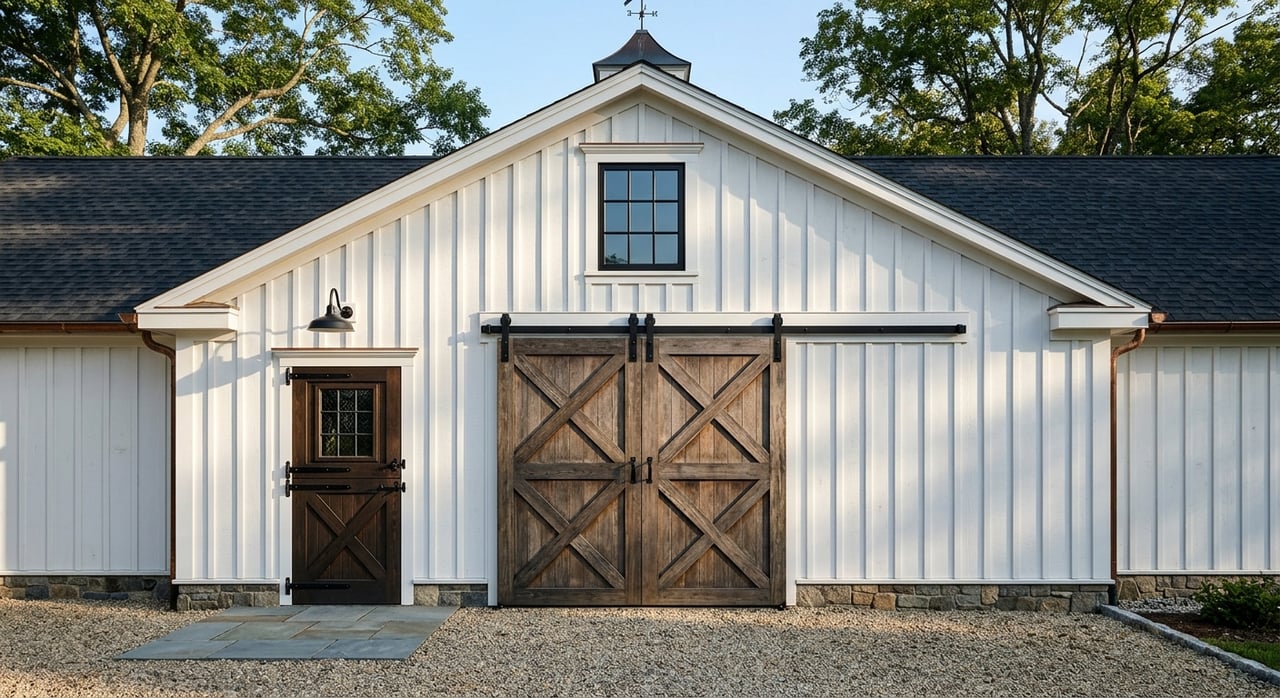
A useful horse barn should protect horses from weather, provide fresh air and dry bedding, and still leave enough room for daily care and feeding. Buyers also tend to look for practical storage for hay, grain, and tack, along with any grooming space or special-use stalls that support routine management.
Pasture layout matters just as much. Guidance for equine facilities recommends relatively flat, fertile, well-drained sites and advises caution around wetlands, ponds, creeks, steep slopes, and dense woods.
Evaluate turnout and grazing layout
A workable property often includes more than one fenced area. Dry lots, rotational paddocks, water access, and well-placed gates can make daily use easier and help preserve the land over time.
Pasture-planning guidance notes that pastures can often support about one horse per two acres during the grazing season. That does not replace Farmington’s zoning rules, but it does highlight why usable turnout and grazing space should be evaluated separately from legal lot size.
Look beyond appearance
A beautiful field is not always a practical field. Poorly managed pasture can lead to weed pressure, erosion, runoff, and water-quality concerns.
That is why the most valuable acreage is often the acreage that is actually dry, accessible, maintainable, and suited to turnout or grazing. A clean map and a close walk of the land can reveal more than marketing photos ever will.
Wetlands, slopes, and grading matter
Farmington’s inland wetlands commission regulates activities affecting wetlands and watercourses. If work has been done or is planned near wet areas, that can trigger another layer of review.
For buyers, this means you should check more than the visible improvements. Wetland flags, floodplain mapping, slopes, and any history of drainage work or earthmoving can all affect what you can do with the property going forward.
Farmington also requires an erosion and sediment control plan when cumulative grading, stripping, excavation, or fill exceeds one-half acre. If you are considering an arena, expanded paddocks, a driveway adjustment, or site work for an outbuilding, that threshold can become relevant.
Septic, wells, and health-district review
In the Farmington area, the Farmington Valley Health District is another important part of the due-diligence picture. It regulates subsurface sewage disposal systems through inspections, soil testing, plan review, permits, and inspections.
Its location-approval packet specifically asks for distances from proposed construction to the septic tank, leaching system, and well. For equestrian properties, that can affect barns, run-in sheds, manure storage areas, arenas, driveways, and future expansion plans.
This is one reason a parcel can feel spacious while still having real limits. Septic and well locations can shape where horse-related improvements can go, and they should be reviewed early.
Trail access is not always horse access
Many buyers love the idea of riding directly from home or being close to local trails. In the Farmington Valley, that can add lifestyle appeal, but it should be verified carefully.
Connecticut DEEP says equestrians are welcome on multi-use trails and forest roads unless posted otherwise, but blue-blazed trails are for hikers only. So if a property is marketed as being near a trail, it is worth asking whether that trail is actually usable on horseback.
Farmington’s trail system includes a National Scenic Trail and sections of the Farmington Valley Greenway. Those nearby amenities can still be attractive, even when they are not intended for equestrian use.
What sellers should prepare
If you are selling a Farmington-area equestrian property, your documentation can be just as important as your presentation. Buyers for specialty properties tend to look closely at whether the horse features are not only attractive, but also supportable.
The most helpful file usually includes the survey, septic and well records, wetlands approvals, horse-use registration if applicable, and any permits tied to barns, sheds, grading, or paddock construction. When those records are organized in advance, buyers can move through diligence with more confidence.
That preparation also supports stronger positioning in the market. For a specialized property, clear answers and a well-documented setup can help justify value and reduce friction during negotiations.
Why strategy matters in this niche
Equestrian properties often require a different level of review than traditional residential listings. Buyers need clarity on land use, and sellers need a marketing strategy that speaks to what actually makes the property functional.
That is where local knowledge matters. In a market like Farmington, the difference between paper acreage and usable acreage can affect both value and buyer interest.
If you are buying, a careful review can help you avoid expensive surprises. If you are selling, the right preparation and positioning can help your property stand out for the right reasons.
When you are dealing with a specialty property, details are not secondary. They are the story.
If you are considering buying or selling an equestrian property in Farmington or the surrounding Valley towns, Lisa Sweeney & Team offers the local insight, strategic guidance, and hands-on support that complex properties require.
FAQs
What makes a Farmington property legal for horses?
- In Farmington, non-farm parcels of 80,000 square feet may keep one horse or pony and a stable, with each additional horse requiring another 80,000 square feet. Farm status is defined separately and depends on parcel size and use.
What should buyers check on a Farmington equestrian property?
- You should review zoning status, horse registrations or approvals, wetlands and floodplain conditions, slope, septic and well locations, and any permits for barns, sheds, grading, or paddock work.
Why is usable acreage important on a horse property?
- Usable acreage matters because steep, wet, wooded, or fragmented land may count toward total acreage but offer less practical value for turnout, grazing, fencing, or future improvements.
Do barns and horse structures need extra review in Farmington?
- They may. Barns, stables, run-in sheds, manure storage areas, and related site work can be affected by zoning rules, wetlands review, and Farmington Valley Health District requirements tied to septic systems and wells.
Can you ride horses on trails near Farmington properties?
- Not always. Connecticut allows equestrian use on multi-use trails and forest roads unless posted otherwise, but blue-blazed trails are hikers-only, so nearby trail access should be verified before you rely on it.
What documents help when selling an equestrian property in Farmington?
- A strong seller file often includes a survey, septic and well records, wetlands approvals, horse-use registration if applicable, and permits related to barns, sheds, grading, or paddock construction.