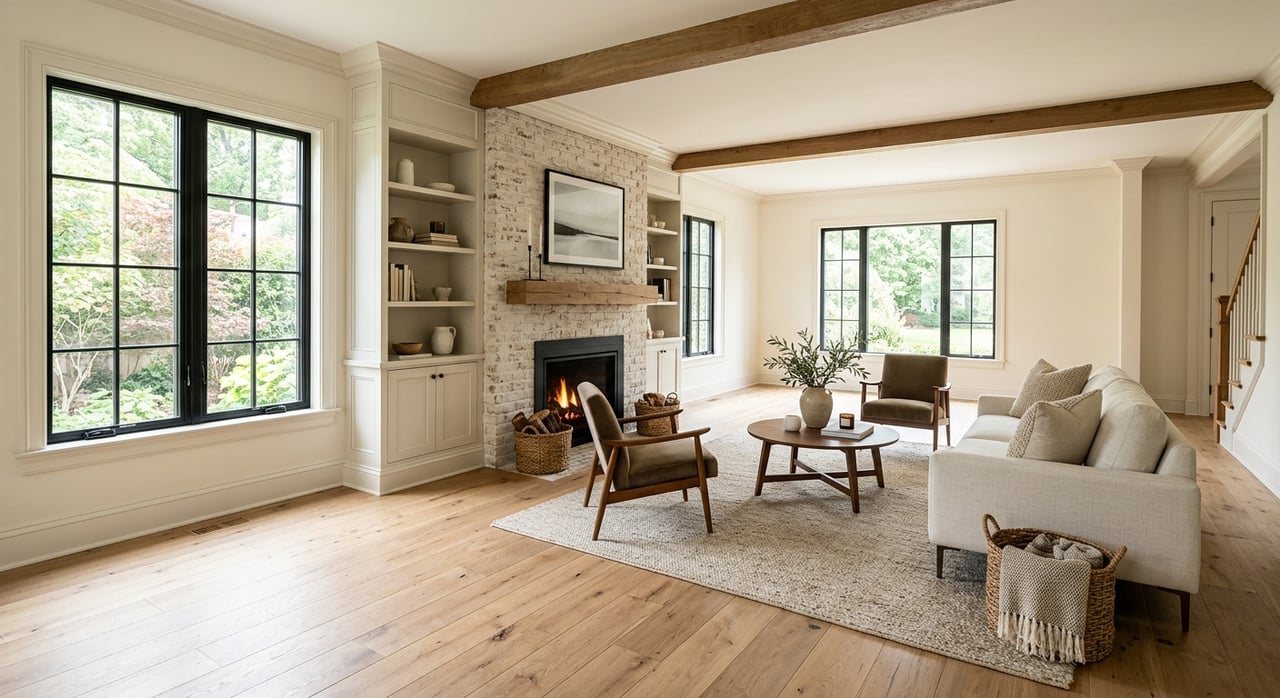
Wondering whether a historic estate or a newer luxury home is the better fit in Farmington? It is a smart question, especially in a town where deep architectural history meets a smaller, selective new-construction market. If you are weighing charm against convenience, this guide will help you compare the real tradeoffs so you can make a confident decision. Let’s dive in.
Why This Choice Matters in Farmington
Farmington is not a place where one style dominates every luxury search. The town has a long architectural history, with homes ranging from colonial-era properties to newer luxury builds shaped by local design standards. That gives you meaningful choices, but it also means the right answer depends on how you want to live.
The local market appears to offer far more luxury listings than new homes at any given time. Current portal snapshots show new construction is relatively limited, while luxury inventory is broader and often includes renovated older homes. In practice, many buyers here are deciding between a historic luxury property with character and a newer home with a more modern layout.
What Historic Luxury Homes Offer
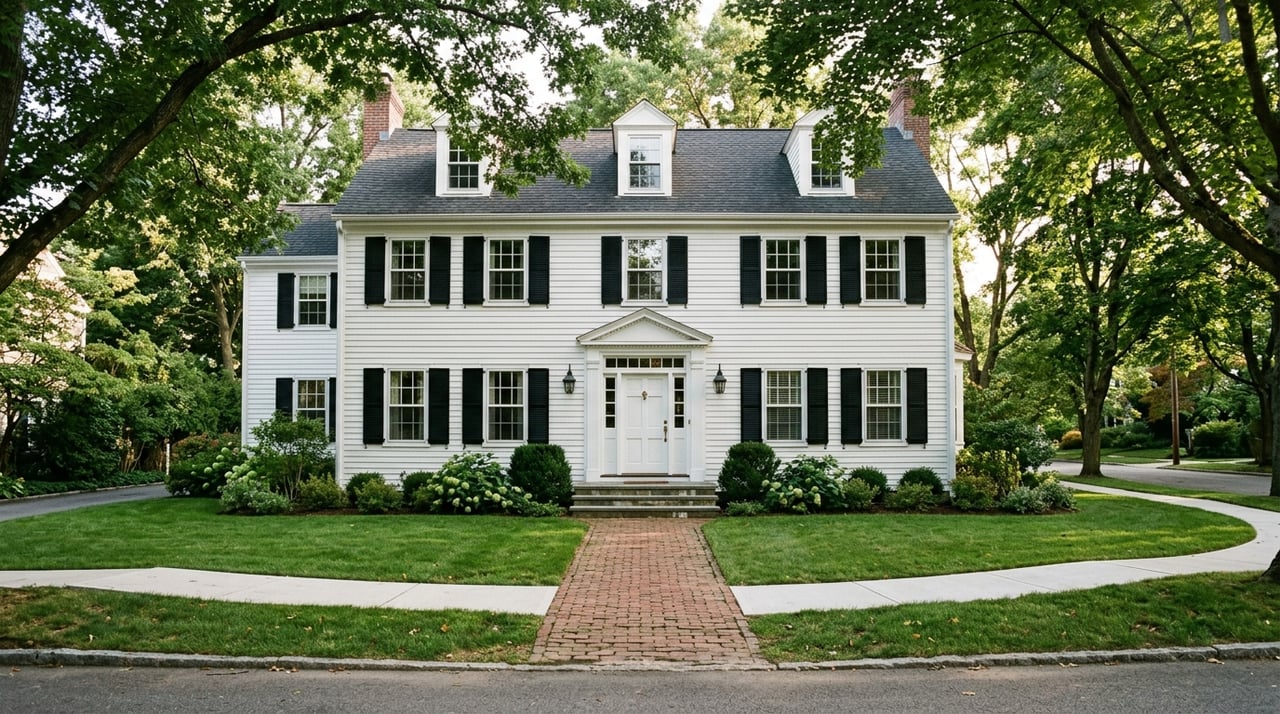
Farmington’s historic housing stock is one of its defining features. Town resources point to a wide range of architectural styles, including colonial, Georgian, Federal, Greek Revival, and Colonial Revival homes. If you value craftsmanship and a strong sense of place, this inventory can be especially appealing.
Historic luxury in Farmington often feels layered and highly individual. A local example is an 1832 Georgian estate on Mountain Spring Road that combines restored architectural integrity with large-scale entertaining spaces, a library, a music room, a wine cellar, and a guest cottage. That kind of property shows how historic luxury here often goes beyond curb appeal and into a more distinctive living experience.
Another key difference is the way many older homes are laid out. Historic interiors often have more defined room sequences, with formal public spaces separated from service and private areas. If you like a home where rooms have clear purposes, a historic property may feel more natural than a wide-open floor plan.
Historic Character Often Means Formal Living
In many older luxury homes, the layout shapes the lifestyle. You may find formal dining rooms, libraries, parlors, or hall-centered designs that create a sense of procession from one space to the next. That can feel elegant and memorable, especially if you enjoy entertaining in a more traditional way.
At the same time, that style is not ideal for every household. If you want everyone gathered around one central kitchen and living area all day, an older floor plan may feel less intuitive. Much depends on whether you prefer separation and character or openness and flexibility.
What New Luxury Homes Offer
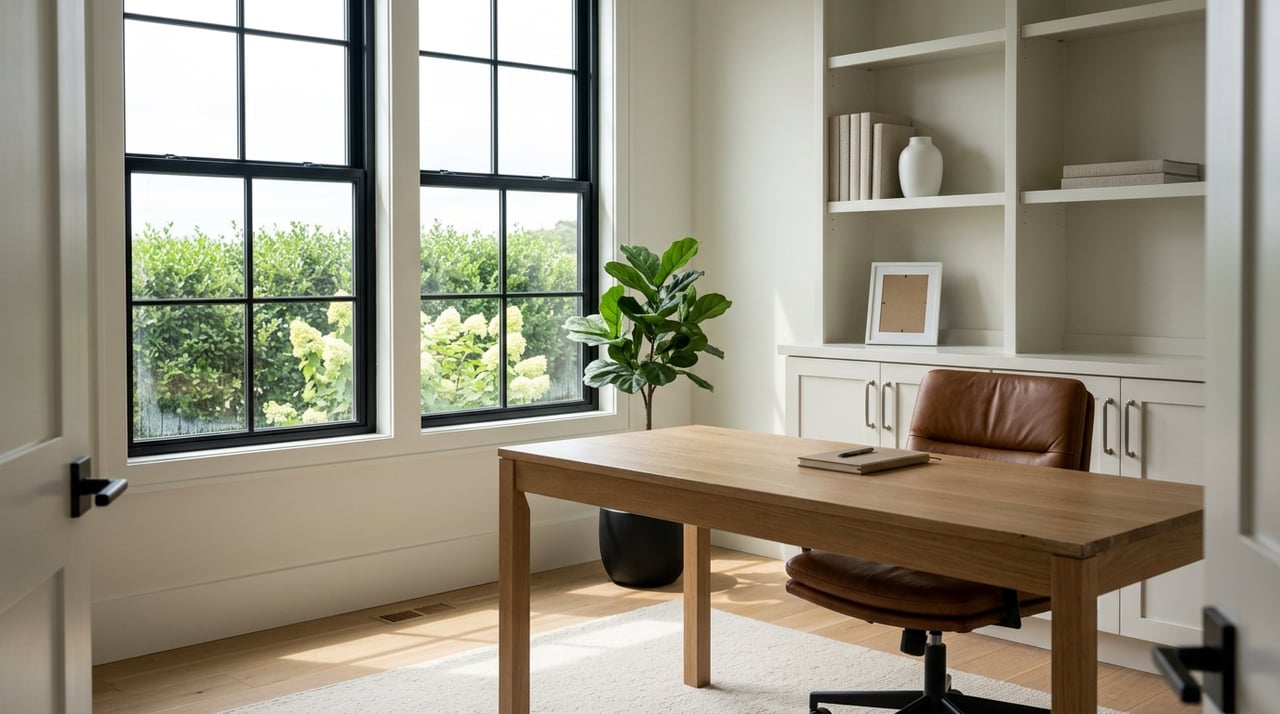
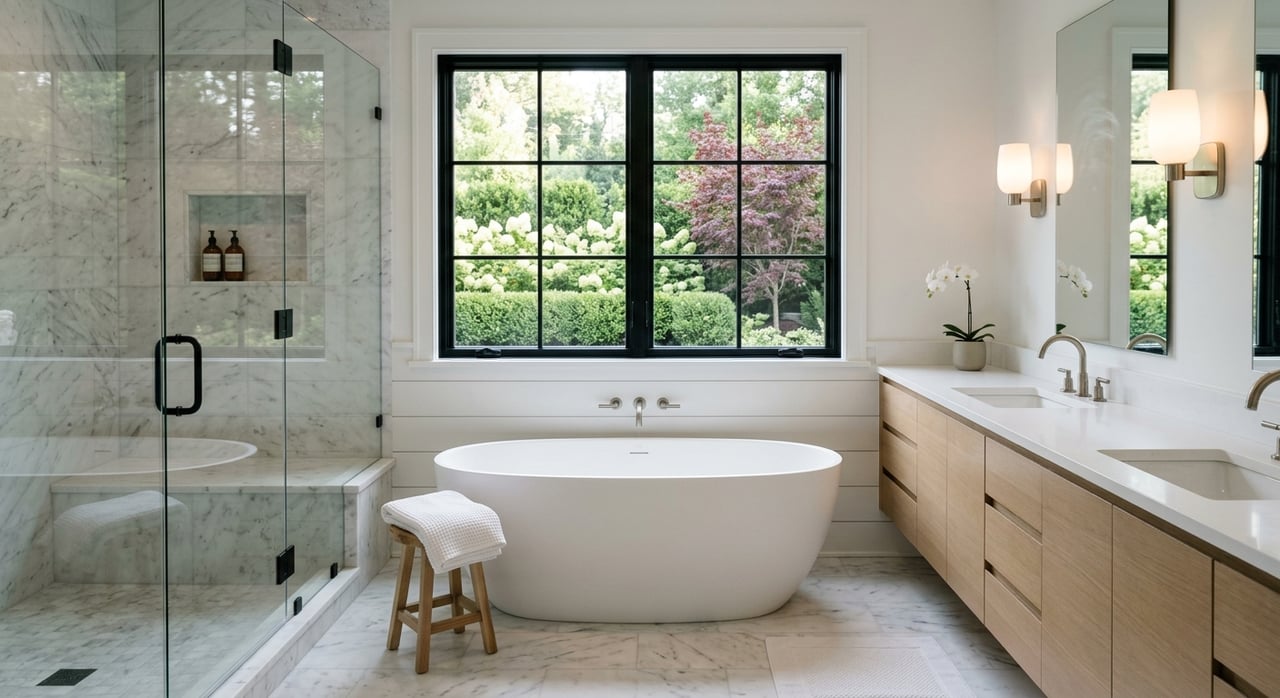
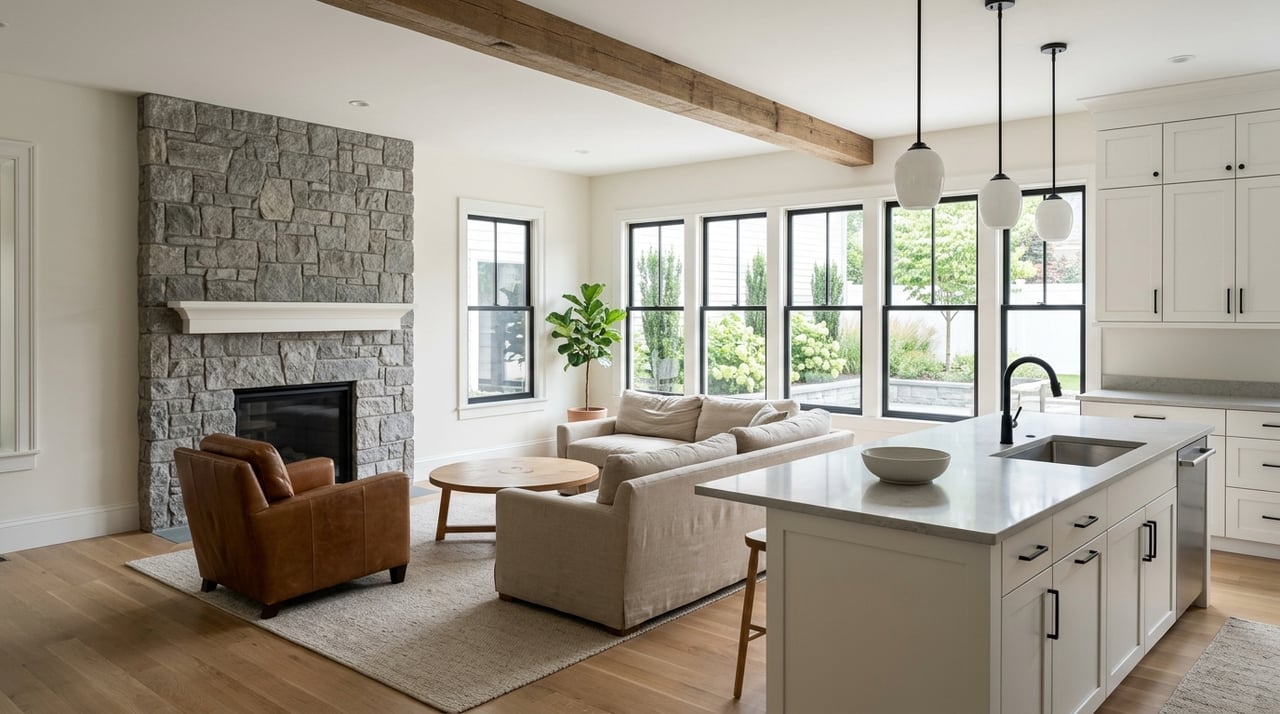
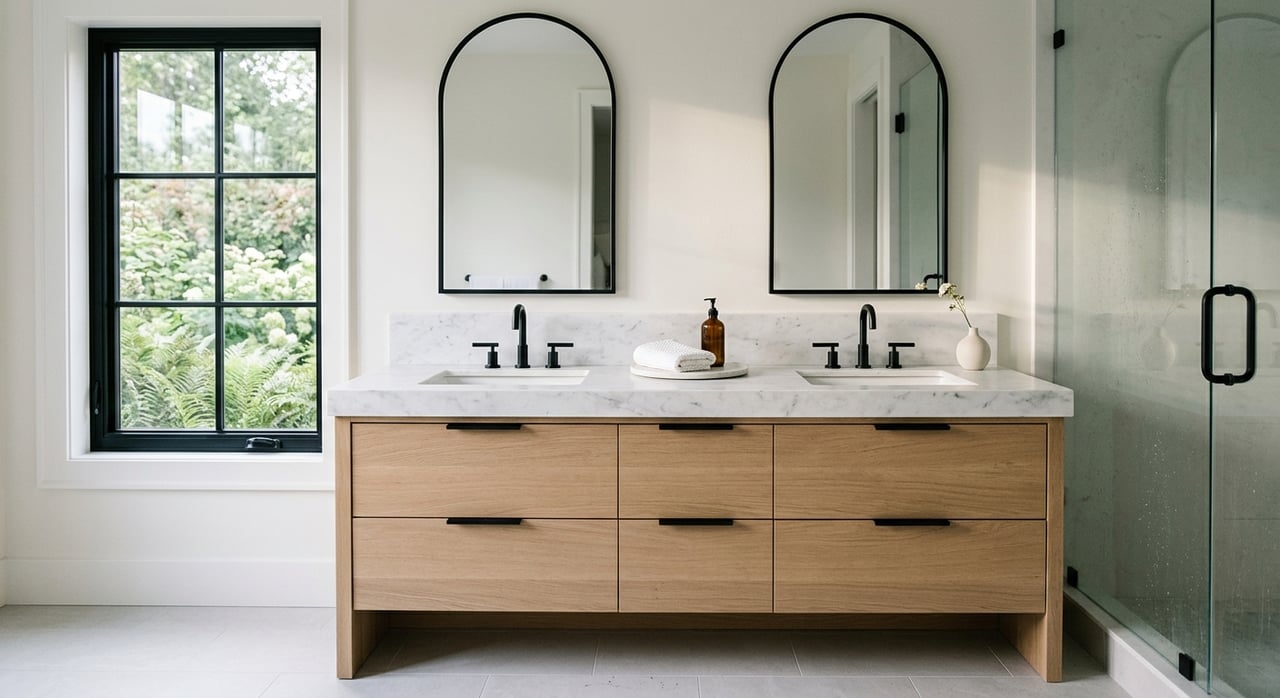
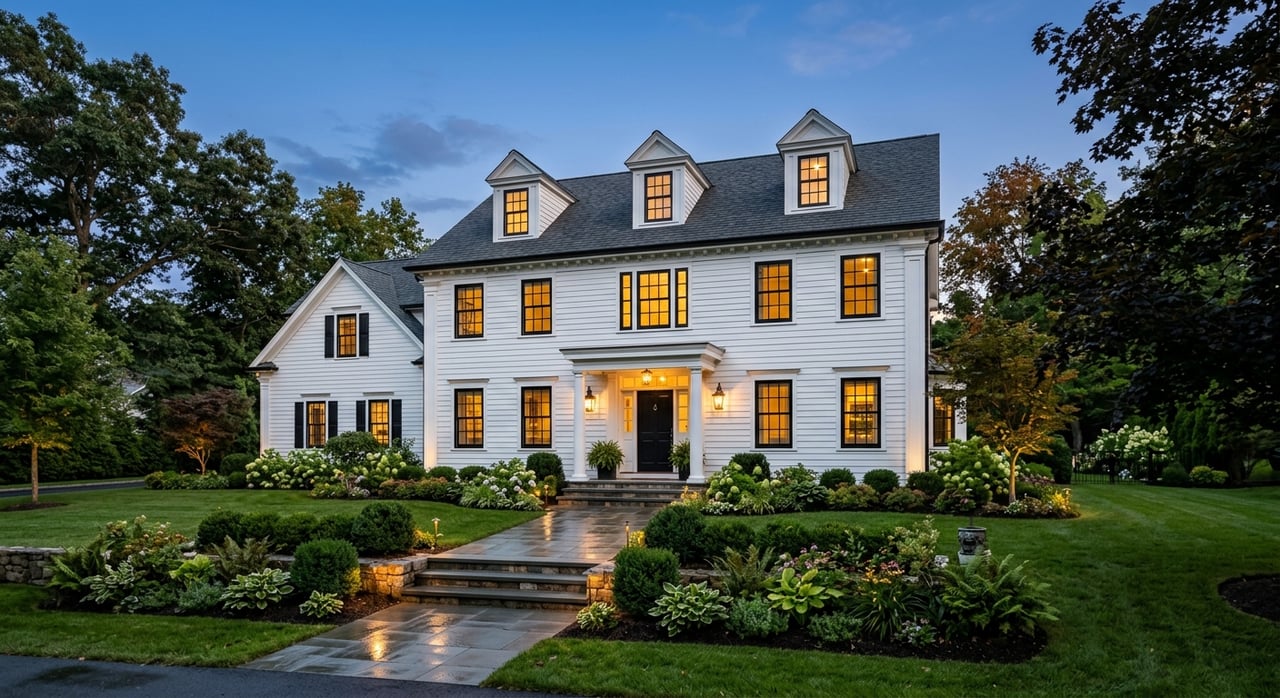
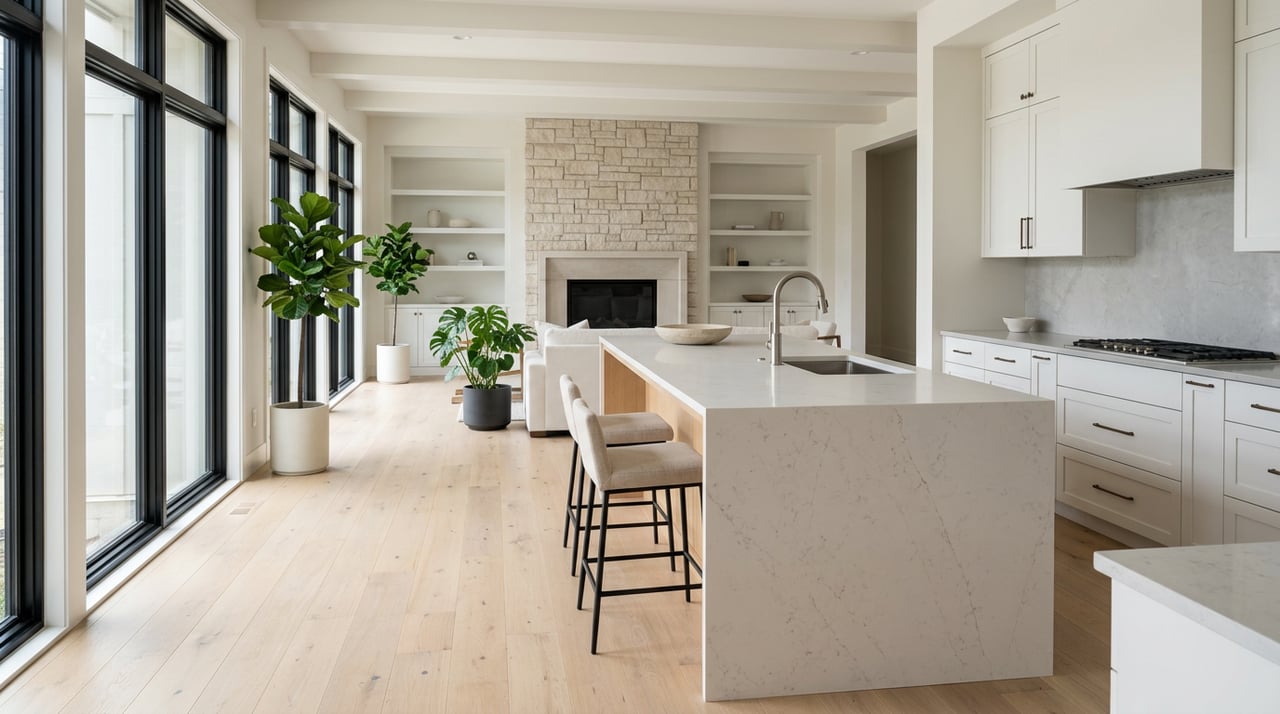
New luxury homes in Farmington tend to focus on ease, efficiency, and modern daily function. That usually means open floor plans, large kitchen islands, custom finishes, attached garages, and features like first-floor primary suites. For many buyers, that translates into fewer immediate projects and a more predictable move-in experience.
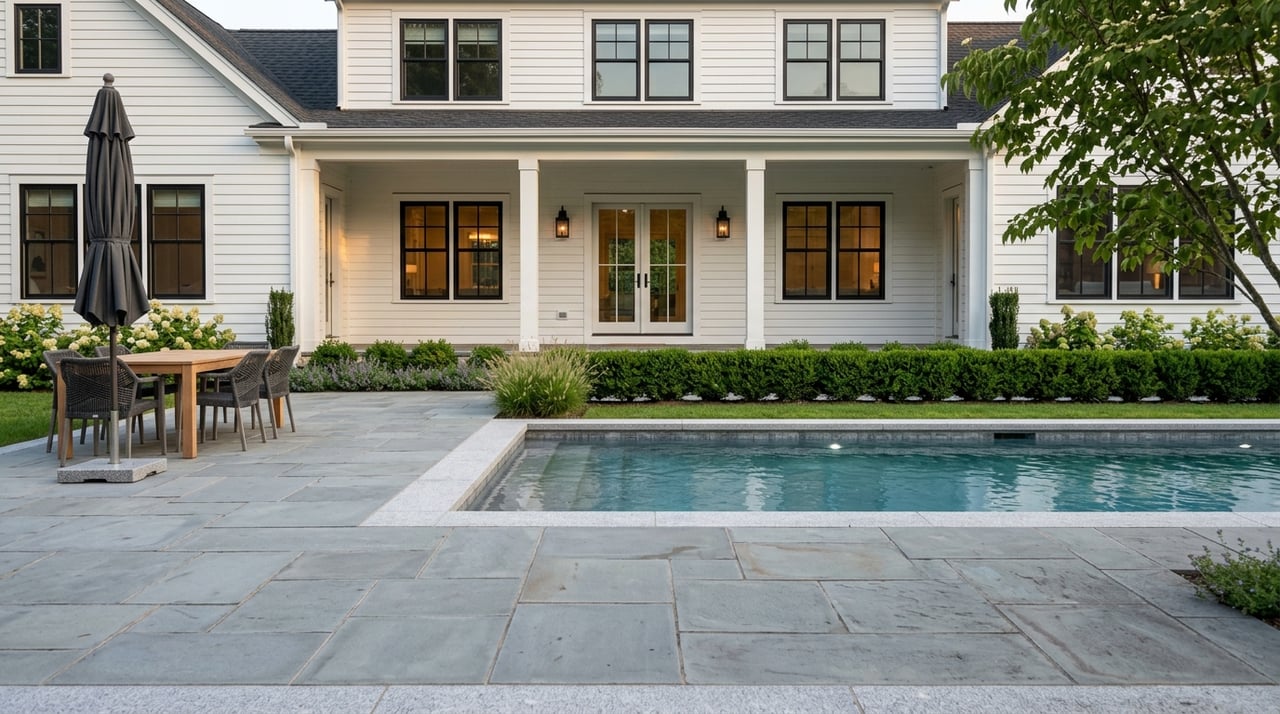
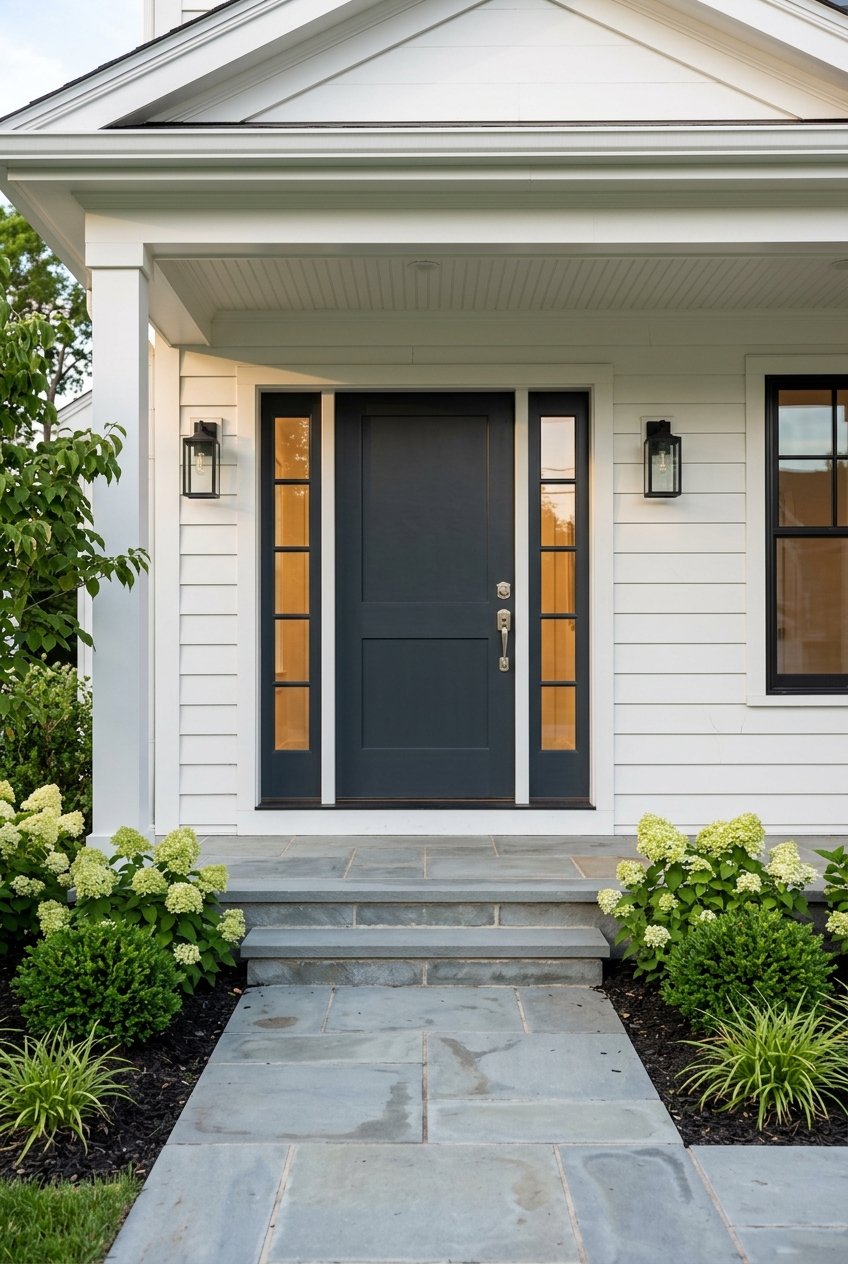
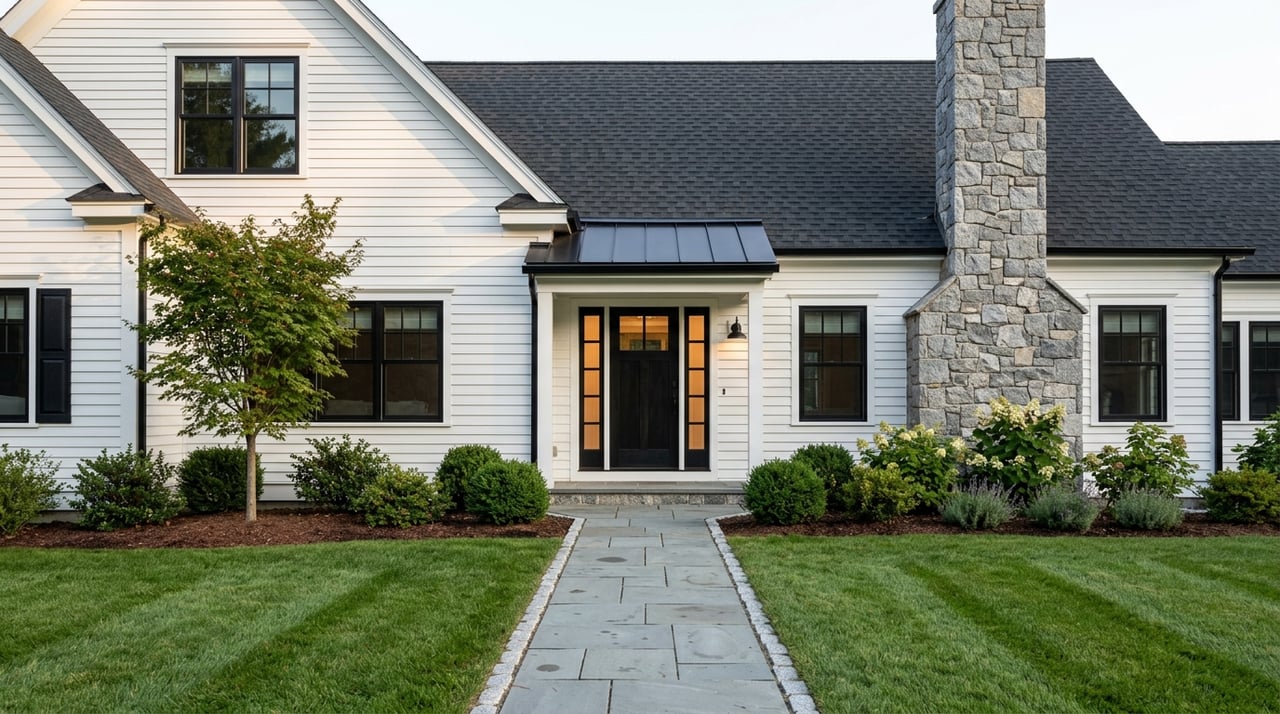
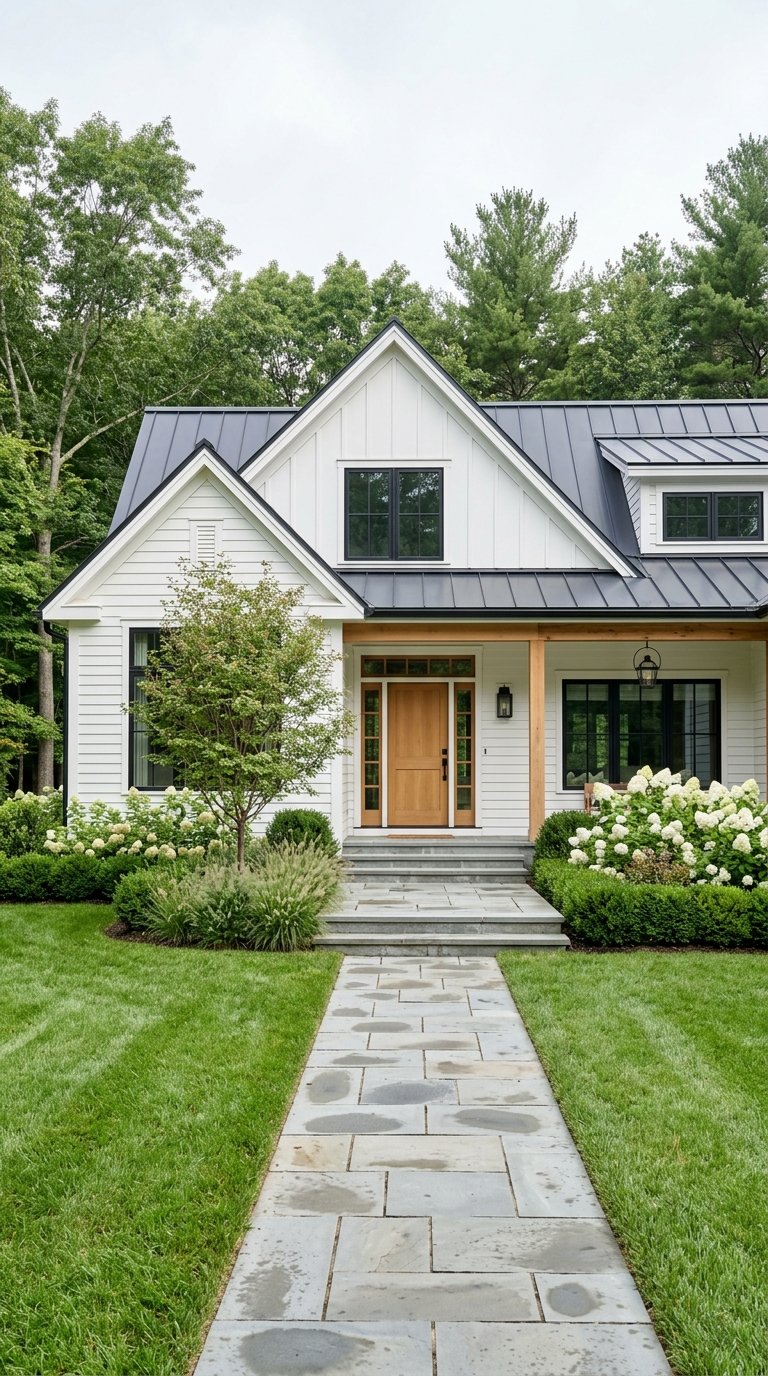
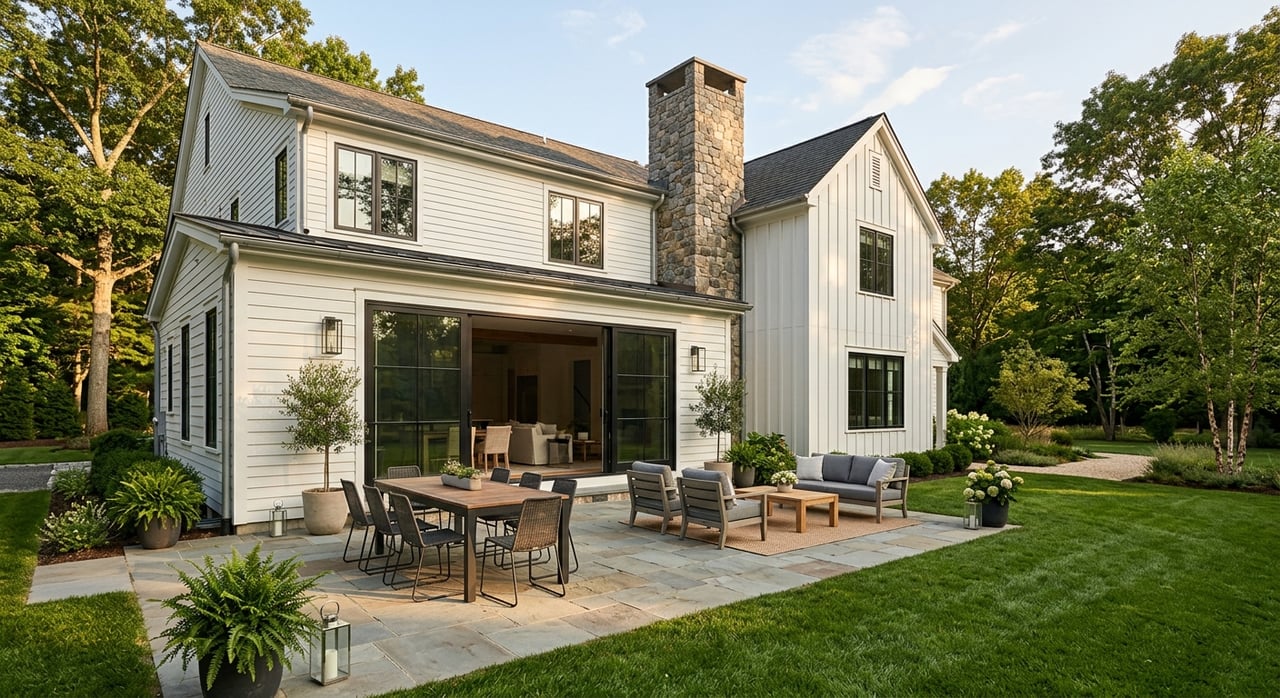
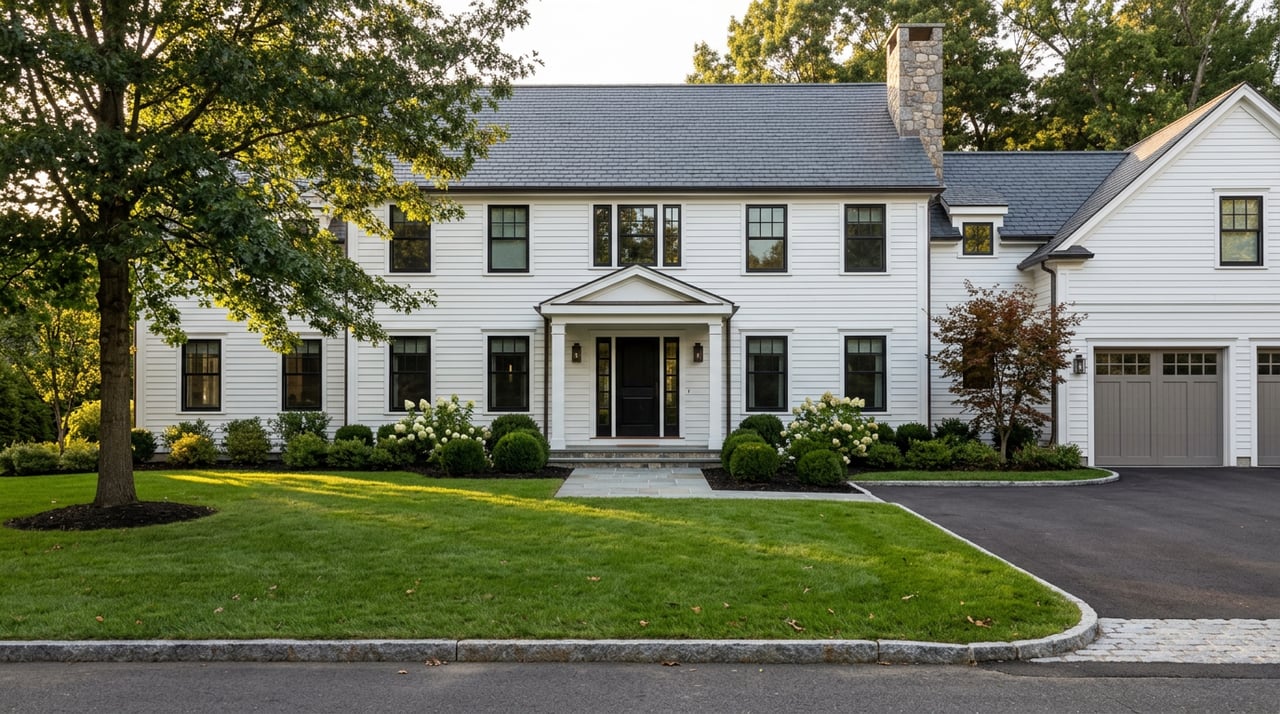
Farmington’s newer homes are also shaped by local design expectations. Town guidelines encourage development that fits the area’s traditional New England character, including compatible rooflines, balanced window spacing, and classic materials. As a result, new luxury homes here often lean Colonial or Cape Cod in style rather than ultra-modern design.
Current listings illustrate that direction well. One new-construction Colonial emphasizes an open floor plan, oversized islands, custom lighting, premium finishes, and a home warranty. Another new-construction Cape Cod highlights a first-floor primary bedroom, showing how newer homes in Farmington often prioritize practical comfort as much as style.
New Construction Often Feels Simpler Day to Day
For many buyers, the biggest appeal of a newer home is how well it fits current routines. Mud rooms, open kitchens, integrated gathering spaces, and easier circulation can support everyday living with less compromise. If you want a home that feels ready for today from the start, new construction usually has the edge.
There is also a maintenance advantage in the near term. While every property needs care, a recently built home often reduces the chance of immediate renovation decisions. That can be especially attractive if you are relocating, managing a busy schedule, or simply want fewer unknowns after closing.
The Biggest Tradeoffs to Compare
Choosing between historic and new luxury in Farmington usually comes down to three core questions: how you want the home to feel, how much work you want to take on, and whether the property has any added oversight tied to historic location. These factors often matter more than square footage alone.
A historic home may offer individuality, architectural continuity, and memorable rooms, but it can also require more careful stewardship. A newer home may offer convenience, energy performance, and a layout built for current lifestyles, but it may not deliver the same sense of age, texture, or one-of-a-kind detail.
Layout and Lifestyle Fit
This is often the clearest dividing line. Historic homes in Farmington tend to reward buyers who appreciate formal rooms and a stronger separation between entertaining, working, and private spaces. Newer homes usually favor open gathering areas, casual flow, and flexible use.
Think honestly about your routines. If you host holiday dinners, want a study with real separation, or love architecture that tells a story, a historic property may feel right. If you want easy sight lines, a central kitchen, and a layout that supports modern day-to-day living, a newer home may be the better match.
Exterior Changes and Oversight
If a home is located within the Farmington Center local historic district, visible exterior changes are handled differently than they would be on many newer homes. According to town guidelines, work visible from a roadway may require a certificate of appropriateness before you build or alter structures. That can affect how you approach exterior updates and long-term planning.
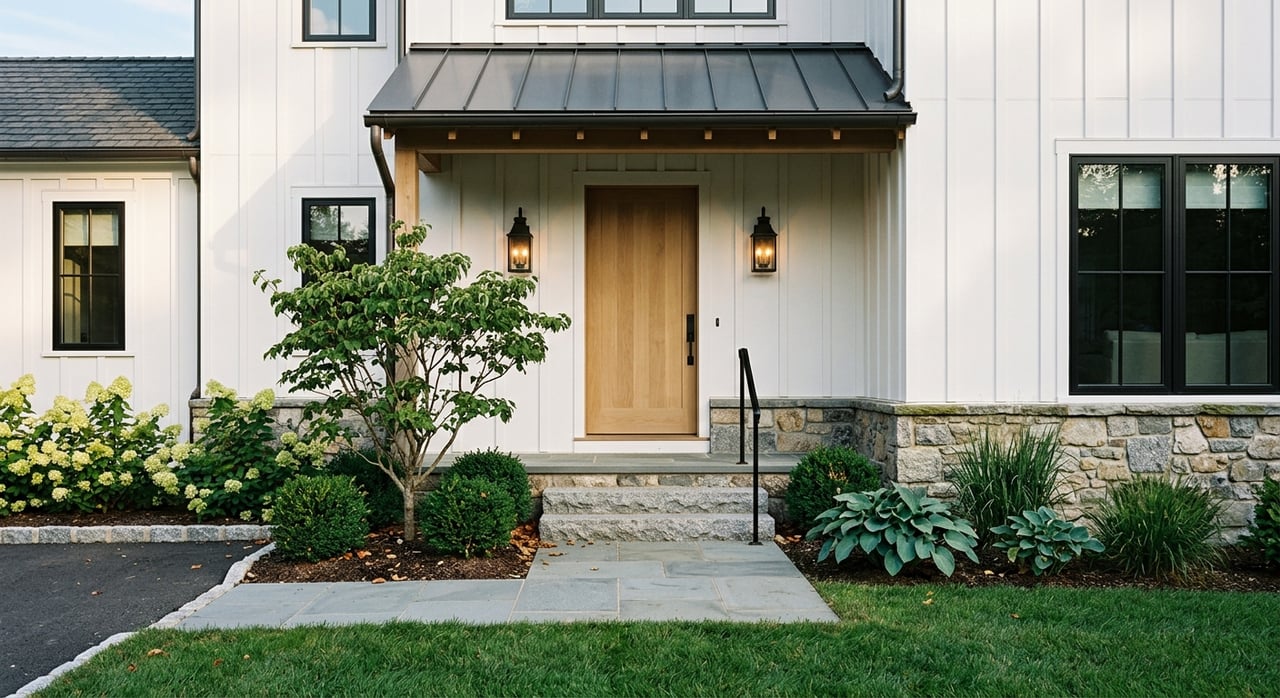
The same guidelines also encourage traditional materials such as clapboards, shingles, brick, stone, slate, copper, and wood. They discourage features like flat roofs, long windowless masses, and large expanses of plate glass. For some buyers, that level of continuity is a benefit. For others, it feels more restrictive.
Energy Performance and Efficiency
Older homes often start with a different efficiency profile than homes built today. Research from the Department of Energy notes that many older homes have less insulation than newer ones and may benefit from insulation upgrades, air sealing, and a home energy assessment before improvements begin. The National Park Service also points to common historic-building issues like air leakage around windows and doors and the need to address attic and wall insulation carefully.
That does not mean a historic home cannot perform well. It means you should expect to evaluate efficiency more closely. A newer home, by contrast, is more likely to deliver stronger energy performance from the start, which can make ownership feel more predictable.
Questions to Ask Before You Decide
Before you choose a direction, it helps to narrow the decision to practical questions rather than general preferences. In Farmington, these questions can quickly clarify which type of luxury home fits your goals.
Ask yourself:
- Is the home located in a historic district?
- How much exterior work is likely within the next five years?
- Do you want formal rooms or an open floor plan?
- Would a first-floor primary suite change your long-term comfort?
- How important is near-term maintenance predictability?
- Are you excited by restoration and preservation, or would you rather avoid projects?
Those answers often reveal the right path. In simple terms, historic homes tend to trade convenience for character, while newer luxury homes tend to trade some individuality for easier upkeep and modern planning.
A Smart Strategy for Farmington Buyers
Because new construction appears relatively scarce in Farmington, your search may require a broader lens. You may compare a recently built home, a to-be-built opportunity, and a renovated historic property that offers a very different ownership experience. The key is not just finding a beautiful house. It is understanding how that house will perform for your lifestyle over time.
That is where a strategy-first approach matters. When you are comparing two very different luxury options, details like district status, likely renovation needs, floor-plan function, and resale positioning deserve close attention. A clear framework can keep you from overvaluing finishes while missing the bigger picture.
If you are deciding between historic charm and new-home ease in Farmington, the best next step is to compare real properties through the lens of daily living, future maintenance, and long-term fit. For tailored guidance on luxury homes and new construction in Farmington, connect with Lisa Sweeney & Team.
FAQs
What makes historic luxury homes in Farmington different from newer luxury homes?
- Historic luxury homes in Farmington often feature older architectural styles, more formal room layouts, and distinctive character, while newer luxury homes usually offer open floor plans, modern convenience features, and less immediate renovation work.
Do homes in Farmington historic districts have extra rules for exterior changes?
- Yes. In the Farmington Center local historic district, visible exterior work may require a certificate of appropriateness, and town guidelines encourage traditional materials and compatible design.
Are new luxury homes common in Farmington?
- New construction appears to be relatively limited compared with the broader luxury market, so buyers often choose between a renovated older home and a newly built or to-be-built property.
Are older luxury homes in Farmington less energy efficient?
- Often, yes at the starting point. Older homes may have less insulation and more air leakage, although efficiency can improve significantly with the right upgrades and planning.
Is a historic or new luxury home better for entertaining in Farmington?
- It depends on your style. Historic homes often suit buyers who like formal entertaining spaces, while newer homes usually work better for open, casual gatherings centered around the kitchen and main living areas.