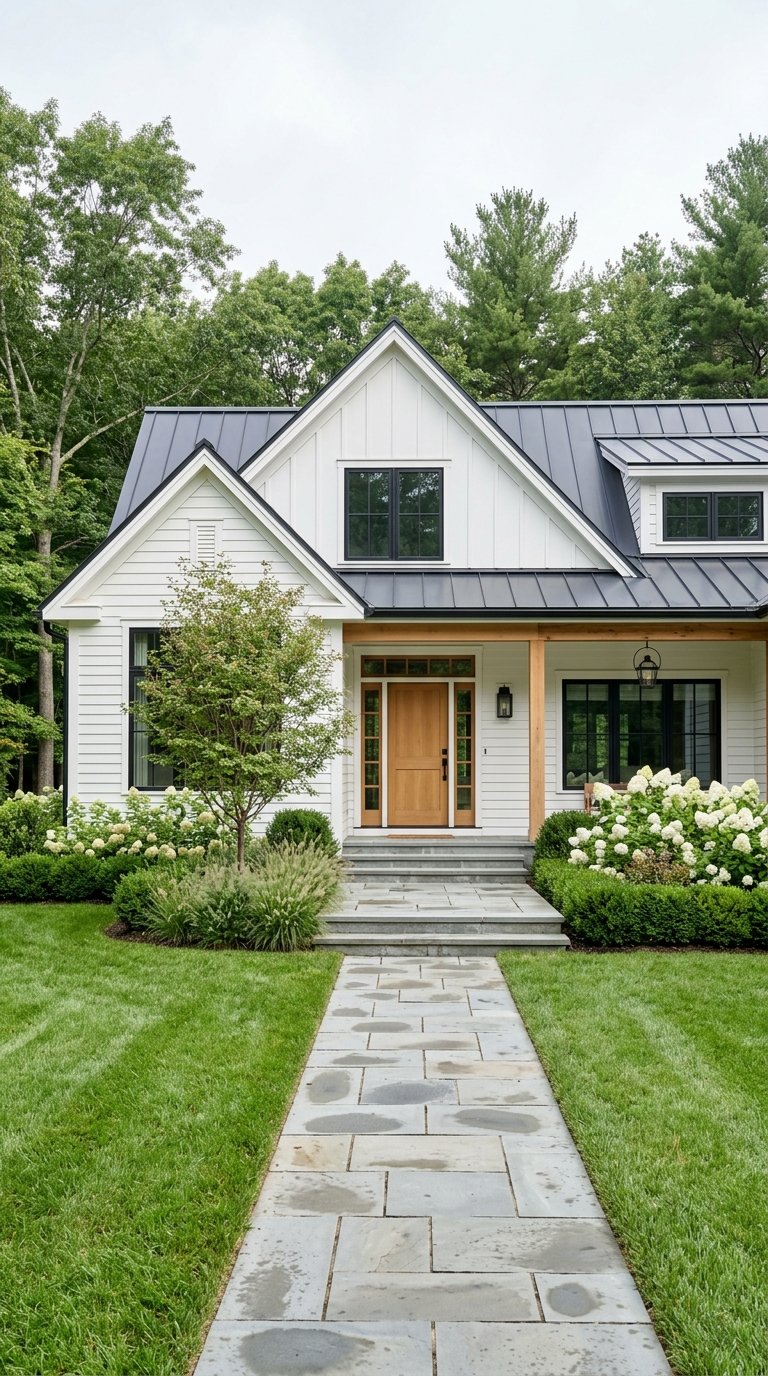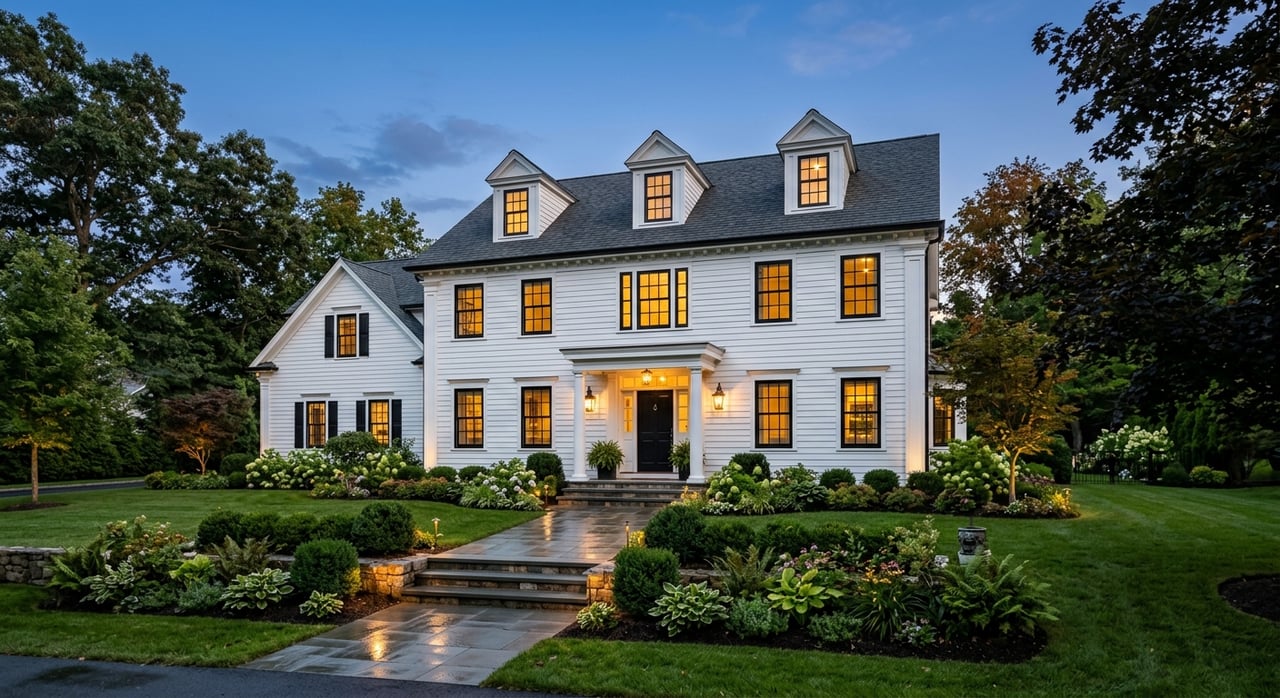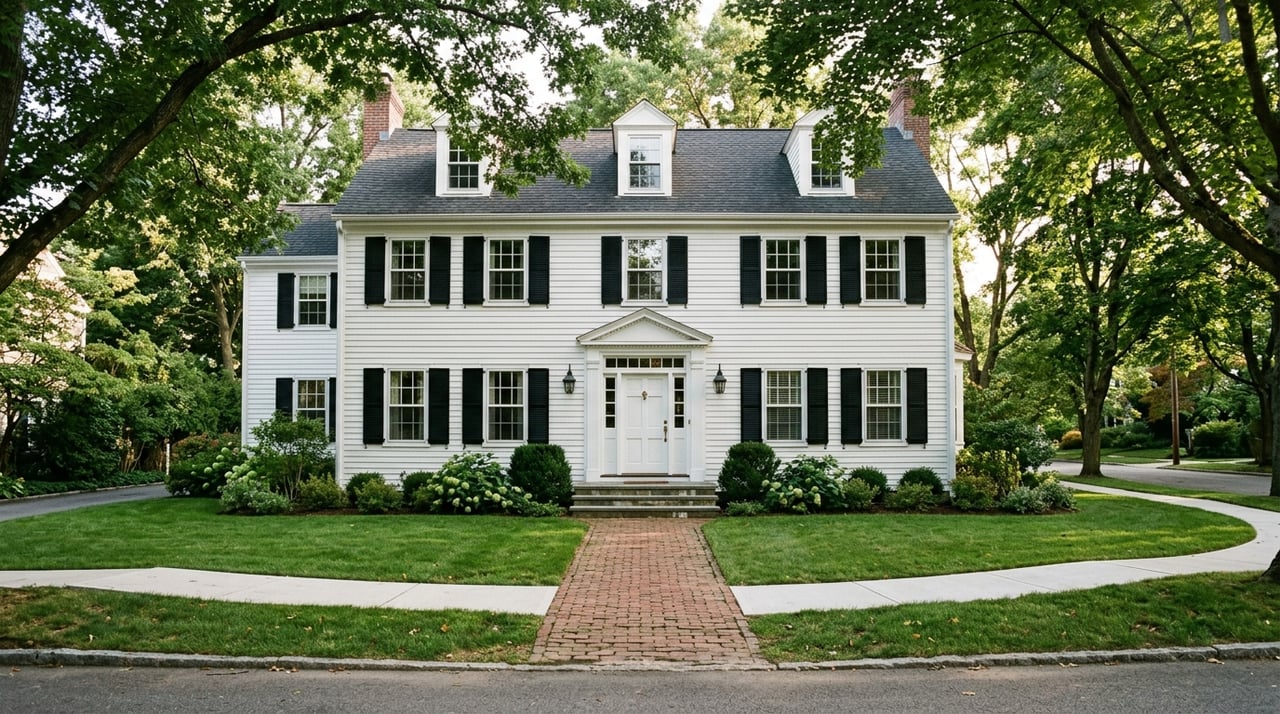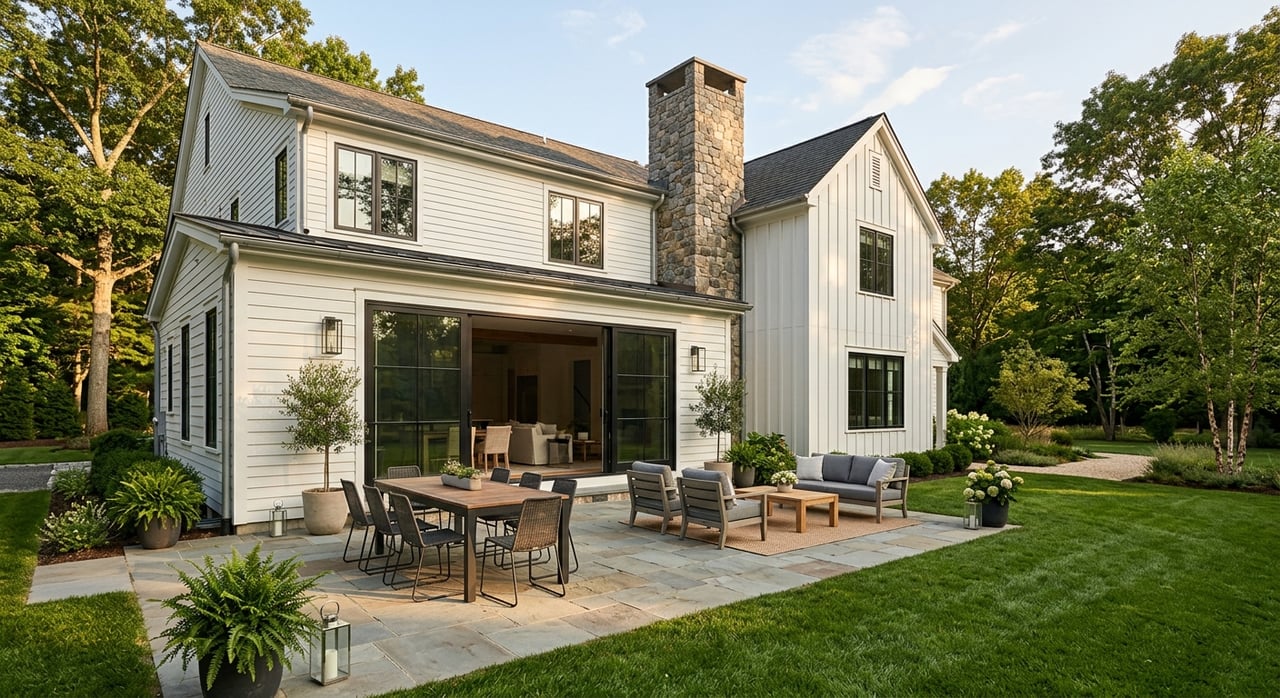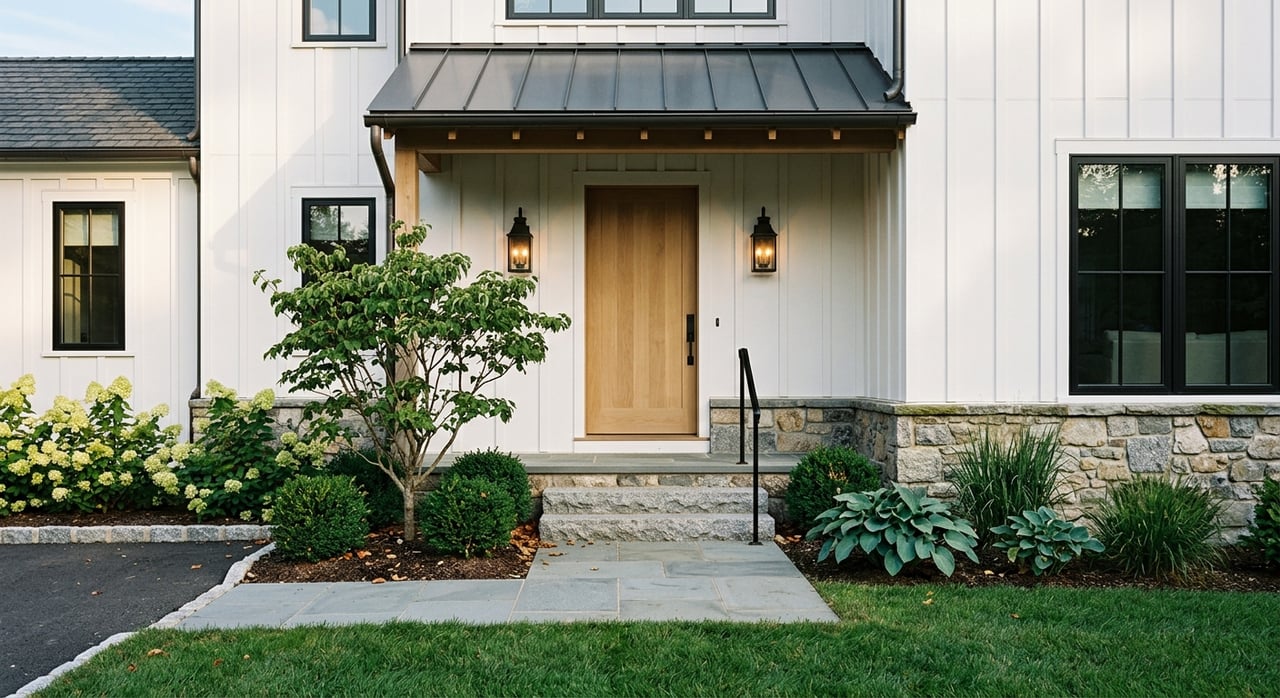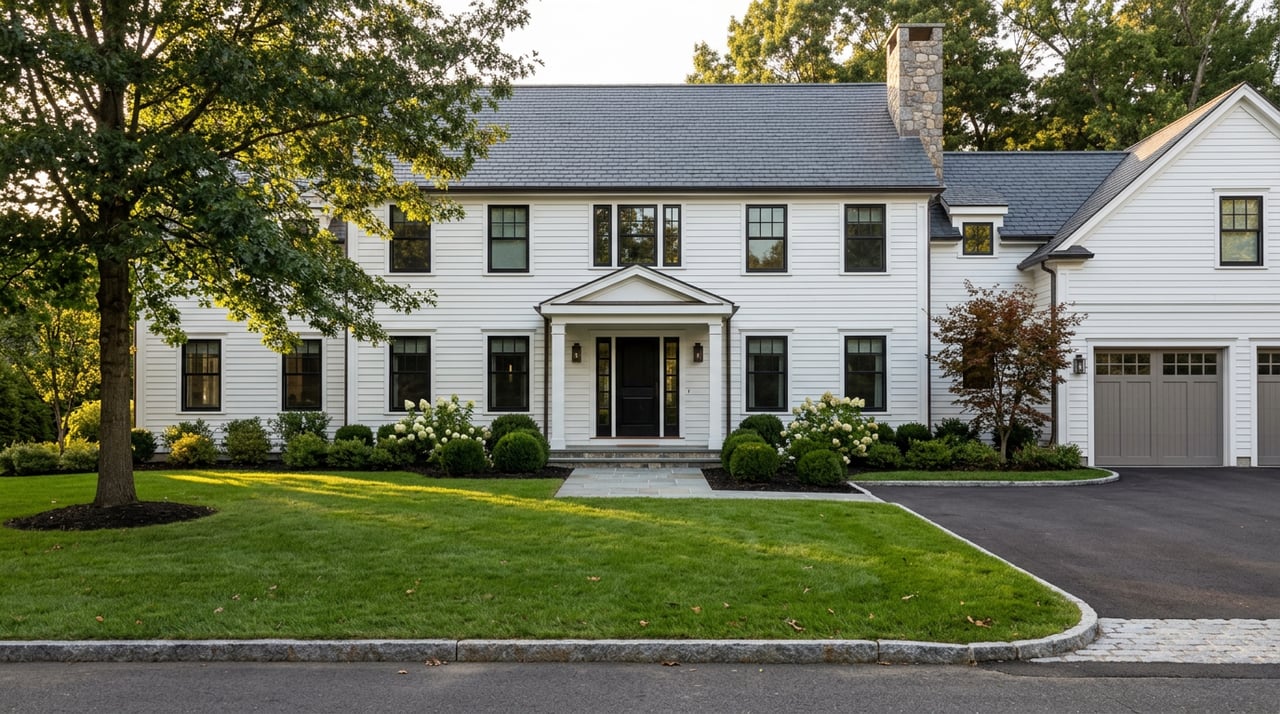
Thinking about building a home in Simsbury? A new build can be the right move if you want modern design, energy efficiency, and a floor plan that fits your life. The path is different from buying resale, though, and the details matter even more when your time is limited or you are relocating. In this guide, you’ll learn the local steps, approvals, timelines, costs, and risk controls that make a Simsbury build go smoothly. Let’s dive in.
Why build in Simsbury
Simsbury blends classic New England character with access to Hartford job centers and outdoor recreation. The town’s planning goals emphasize preserving community character and strong residential neighborhoods. Recent policy updates support options like accessory dwelling units and an R-8 district. You can review these priorities in the town’s current Plan of Conservation and Development for added context on where and how new homes fit in the market. See the town’s planning framework in the 2024 Simsbury POCD.
Long-term value in Simsbury tends to follow location, lot quality, product quality, and access to commute routes and amenities. If you prefer larger lots and a more private setting, you may trade a longer drive for land and views. If you want quick access to town services and shopping, smaller lots closer to the center may fit you better. Think about your daily routines to choose the right balance.
Lot selection and zoning checks
Before you fall in love with a design, confirm the lot can support it. Zoning district, overlays, and site services determine what you can build and how long approvals will take.
Zoning and overlays
Start by confirming the zoning district and permitted uses. Verify minimum lot size, setbacks, building coverage, and height. Check whether the lot falls in any overlays, such as aquifer protection, floodplain, or a local historic district. If the lot is in a historic district, exterior changes may require a Certificate of Appropriateness. Simsbury publishes district handbooks, such as the East Weatogue Historic District guide, to set expectations about exterior standards and process.
Water, sewer, and septic
Confirm utilities early. Many Simsbury neighborhoods are served by Aquarion for public water. Sewer service varies by location; some areas use public sewer and others use private septic systems. Aquarion has been working on water main improvements in the Simsbury regional system, which is helpful to know when assessing service availability and timing. See Aquarion’s Simsbury water main improvement update.
If the property will use a septic system, you will work with the Farmington Valley Health District (FVHD) for soils testing and approvals. Request soils and percolation test documentation and ask whether FVHD staff observed the testing. You can see FVHD’s testing procedures in their soil test observation request form.
Wetlands and flood considerations
If your project touches regulated wetlands or falls within a buffer area, the Inland Wetlands and Watercourses Agency may need to review your plans. Flood zones can affect design and insurance. Ask your surveyor and builder to confirm these constraints upfront so you do not redesign late in the process.
Design choices and realistic timelines
New construction falls into three common paths. Understanding each will help you pick the right fit for your timeline and budget.
Pick your build style
- Production or spec homes: Pre-set plans with curated options. Usually the most predictable schedule.
- Semi-custom: A base plan with meaningful choices on layout and finishes.
- Full custom: Architect-driven design tailored to your lot and vision. More decisions and change-order risk.
National lender guidance suggests production builds often complete in about 8 to 9 months, while custom homes commonly take 12 to 15 months or longer depending on complexity and site work. See timing basics in this construction loan overview. If you are relocating, build in a 3 to 6 month buffer to your move date.
Major phases you can expect
- Final plans and permitting
- Site work and utilities
- Foundation
- Framing and exterior
- Mechanical rough-ins (HVAC, electrical, plumbing)
- Insulation and drywall
- Interior finishes and fixtures
- Final inspections, punch list, and orientation
Weather, material lead times, and subcontractor schedules can shift timelines. Ask for written milestone dates and require periodic schedule updates.
Financing options and cash flow
Construction financing is different from a standard mortgage. The two common paths are:
- Construction-only loan: Short term and interest-only during the build, then you refinance into a permanent mortgage.
- Construction-to-permanent (single-close): The loan funds construction and then converts to a mortgage at completion.
Talk with your lender about how draws are handled, who orders inspections, how interest-only payments work, and when your rate is locked. The Consumer Financial Protection Bureau offers a plain-language primer on what a construction loan is and how it works. Review the basics here: CFPB construction loan guide.
Plan your cash flow for design deposits, allowances, and changes. Keep a contingency for site surprises like ledge, drainage work, or deeper footings.
Contracts that protect you in Connecticut
Connecticut requires new-home and home-improvement contractors to register with the Department of Consumer Protection (DCP). A reputable builder will provide their registration details and consumer notices in the contract. Start your review with DCP’s guidance on contracts and registration: CT DCP new home construction contract basics.
Key contract items to include:
- Detailed specifications and allowances with dollar caps
- A milestone payment schedule tied to inspections or phase completion
- Start and substantial-completion dates with remedies for delay
- A written change-order policy and pricing method
- Proof of insurance (general liability and workers’ compensation)
- Clear lien-waiver procedures for each draw
- Written warranty terms
DCP also reminds consumers to avoid large up-front deposits and to confirm insurance directly with the insurer. Build your schedule with a contingency for temporary housing in case completion slips.
Permits, inspections, and the CO
Simsbury’s Building Department issues permits, handles inspections, and issues the Certificate of Occupancy. Expect multiple inspections during construction. You should not move in before the Certificate of Occupancy is issued. Review local procedures with the Simsbury Building Department.
Some projects also need approvals from the Inland Wetlands & Watercourses Agency or a Historic District Commission. These hearings can add weeks to months, so confirm requirements and hearing calendars early.
Budget beyond the sticks and bricks
In addition to the build price, plan for:
- Lot acquisition and due diligence
- Site work: grading, drainage, driveway, and utility hookups
- Septic or sewer connection costs
- Permits and municipal fees
- Builder allowances and design upgrades
- Landscaping and exterior hardscape
- Contingencies for ledge, poor soils, or stormwater needs
Simsbury publishes a fee schedule for building permits, which helps you estimate the soft-cost side of your budget. Check the current Simsbury permit fee schedule with your builder.
Property taxes are another planning item. Mill rates can change each fiscal year. The town explains mill rate decisions and the local grand list context in its annual finance materials. If you want to review the latest context, see the town’s finance letter dated December 2, 2024: Financial State of the Town letter. Confirm the current mill rate for the year you plan to close.
Choosing and vetting your builder
Your builder is your partner for a year or more. A careful vet will pay off.
- Verify state registration: Ask for the DCP registration number and confirm it. Start here: CT DCP new home construction contract basics.
- Check insurance: Request certificates for liability and workers’ compensation, then verify with the carrier.
- Review references: Speak with recent clients for similar homes and visit finished projects if possible.
- Payment and liens: Tie payments to milestones and require lien waivers with each draw.
- Warranty and service: Ask for written warranty standards and how service requests are handled after closing.
Recommended interview questions:
- What is your average completion time for homes like mine in Simsbury?
- Which selections are included in the base price and which are allowances?
- How do you handle change orders and pricing if we add scope midstream?
- Who manages the schedule and communicates updates?
- What are your standard energy-efficiency features relative to current code?
Relocation and dual‑income timing strategies
If you are relocating or juggling two careers, time really matters. Put these strategies in place:
- Add a 3 to 6 month buffer to your target move date.
- Negotiate an occupancy target in your contract with clear remedies if missed.
- Set a written schedule with milestones and require monthly updates.
- Keep a temporary housing or short-term rental plan as a contingency.
These steps help protect you from typical weather, material, or labor delays that can extend a build schedule.
Quick buyer checklist
Use this as your short list to move from offer to closing with confidence:
Before you make an offer on a lot:
- Confirm zoning district, setbacks, and any overlays.
- Verify water source and whether public sewer or a septic system will be used. Check Aquarion’s service context here: Simsbury water main improvement update.
- If septic is needed, obtain soils and percolation testing and request FVHD observation records: FVHD soil test process.
- Ask your surveyor to flag wetlands and flood zones; confirm any historic-district requirements with the district handbook example.
At contract signing:
- Confirm your construction financing path; review basics with the CFPB guide.
- Verify your builder’s DCP registration and include registration details in the contract: CT DCP contract basics.
- Require specifications, allowance caps, a milestone payment schedule, change-order rules, and written warranty terms.
During construction:
- Schedule walkthroughs at framing, pre-drywall, and before the punch list.
- Require lien waivers with each draw and written approval for all changes.
At completion:
- Confirm final inspections and do not occupy before the Certificate of Occupancy is issued: Simsbury Building Department.
- Complete the punch list, collect all warranties and manuals, and obtain as-built documents.
Ready to map out a clean path to your Simsbury build? For calm, end-to-end guidance on lots, builders, contracts, and timelines, connect with Lisa Sweeney & Team. We will help you protect your time, reduce risk, and move with confidence.
FAQs
How long does a new build in Simsbury usually take?
- National guidance suggests production homes can finish in about 8 to 9 months and custom builds often run 12 to 15 months or more; add a 3 to 6 month buffer for safety.
What utilities should I confirm before buying a lot in Simsbury?
- Verify public water availability, whether the site uses public sewer or septic, and the status of any water or sewer projects that may affect timing.
Who approves septic systems for new homes in Simsbury?
- The Farmington Valley Health District handles septic testing and approvals; ask for soils reports and confirmation that FVHD observed testing where required.
What is a Certificate of Occupancy and why does it matter?
- It is the town’s final signoff that your home meets code and is safe to occupy; you should not move in before the CO is issued by the Building Department.
How do I check if my builder is properly registered in Connecticut?
- Ask for the builder’s DCP registration number and confirm it using the state’s consumer resources on new home construction contracts.
What local fees should I budget for besides construction costs?
- Plan for building permit fees, inspections, connection fees, and other municipal charges; check the current Simsbury fee schedule with your builder.