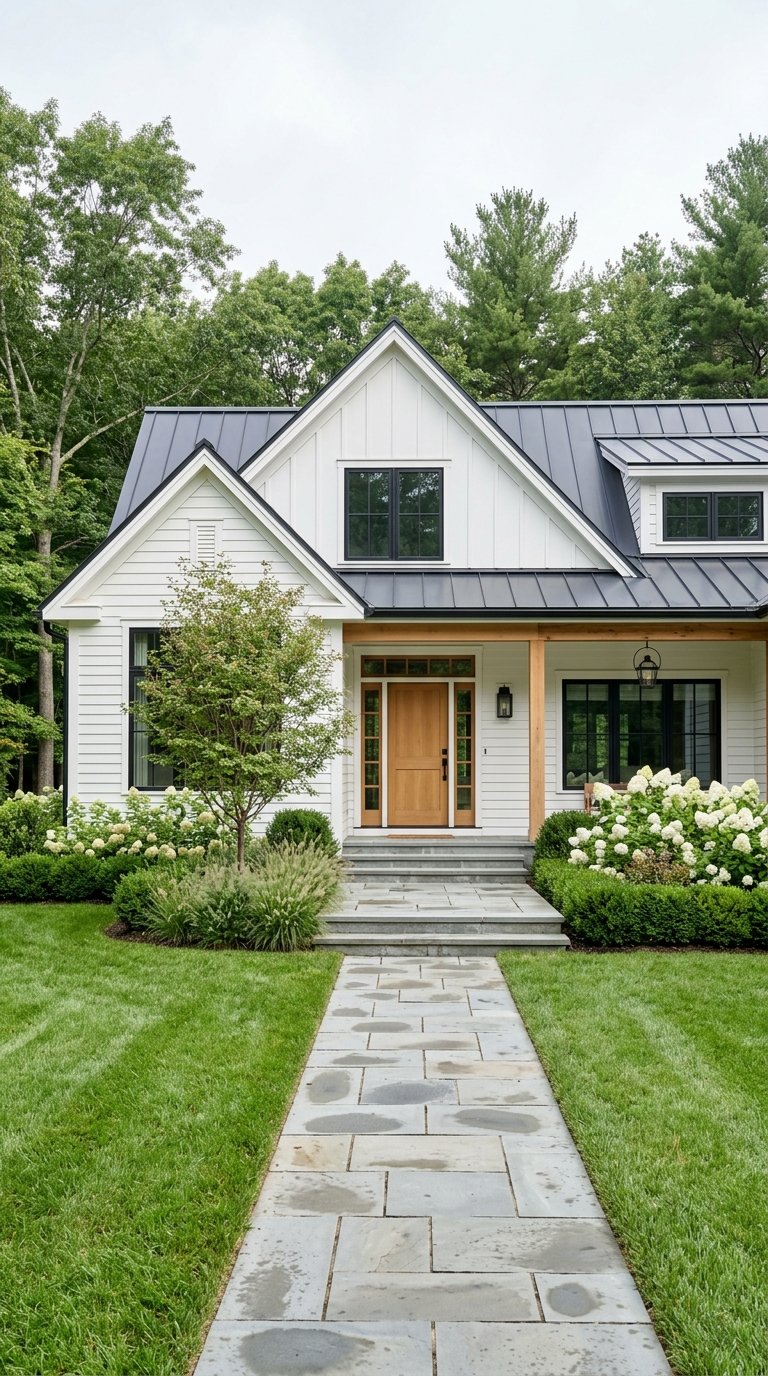
If you have lived in your Simsbury home for years, downsizing can feel like two major projects at once: selling a high-value property and figuring out where life fits next. The good news is that a well-planned move can replace stress with clarity, especially in a market where prepared homes can attract quick attention. With the right sequence, you can make confident decisions about timing, belongings, presentation, and your next home. Let’s walk through it step by step.
Start With the End in Mind
The biggest mistake many downsizers make is selling first and sorting later. A better approach is to decide what your next home needs to do for you before you begin packing up a larger one. That gives every decision a purpose, from what furniture to keep to which repairs are worth making.
For many Simsbury homeowners, this matters because you may be leaving a long-time property with substantial equity. Census data show a 75.2% owner-occupied rate in Simsbury, and the median value of owner-occupied housing units is $443,500. If you have owned for a long time, your move is likely not just about space, but also about convenience, carrying costs, and lifestyle.
Define Your Next-Home Priorities
Before you touch a closet or call a mover, create a short list of must-haves for the next home. Focus on how you want to live day to day, not just on square footage. That keeps the process practical instead of emotional.
Your list might include:
- Single-level living
- Fewer stairs
- Lower exterior maintenance
- Space for guests
- Privacy with a smaller yard
- Lock-and-leave convenience
- Staying in Simsbury near familiar services and routines
Get a Floor Plan Early
A practical early step is to get the floor plan of your next home, or at least narrow down the size and layout you expect to buy. AARP recommends understanding what will fit before you start packing. That one step can make downsizing decisions much easier because you are choosing with a destination in mind.
Know Your Simsbury Options
One reason downsizing in Simsbury can work well is that you do not necessarily have to leave town to simplify your life. Town planning documents show Simsbury has been working to encourage more housing choice through tools such as small-lot zoning, a flexible housing overlay, inclusionary zoning, and a housing-opportunity district. In practical terms, that supports a wider range of living options than the large-lot pattern many owners are coming from.
Compare Common Downsizing Paths
If you want less upkeep but still want to stay local, Simsbury offers a few realistic paths. Current listings show single-story homes and ranch-style homes in town, along with condominium options. The right fit depends on whether you want independence, convenience, or a mix of both.
| Option | Why It Appeals to Downsizers | What to Think About |
|---|---|---|
| Ranch or single-story home | Reduces stairs while keeping detached living | Yard size, privacy, and ongoing maintenance |
| Condo | Often lowers exterior maintenance demands | HOA structure, fees, and space tradeoffs |
| 55+ community | Designed for easier living and shared maintenance | Community rules, available inventory, and amenities |
Two local 55+ examples help illustrate the lock-and-leave lifestyle. Billingsgate is described as maintenance-free, with exterior maintenance, lawns, landscaping, and snow removal handled through the HOA. The Powder Forest Homes is a 55+ community of 182 single-family homes where the HOA covers snow removal, trash removal, landscaping, and clubhouse maintenance.
Staying in Town Can Lower Costs
Neighborhood value differences within Simsbury can also create room to right-size without giving up your location. Zillow neighborhood snapshots show roughly $601,739 in West Simsbury, $503,480 in Weatogue, and $363,694 in Tariffville. While every property is unique, that spread helps show how you may be able to reduce both size and carrying cost while staying in the same town.
Build Your Downsizing Timeline
A calm sale usually starts earlier than you think. In Simsbury, where market snapshots point to relatively quick movement for well-positioned homes, the prep work should happen before the listing goes live. If homes are moving fast, you do not want to be making repair and decluttering decisions after buyers are already booking showings.
Realtor.com reports a median listing price of $549,950, 89 active homes, a seller’s market in March 2026, a median 21 days on market, and a 102% sale-to-list ratio. Zillow’s April 30, 2026 snapshot puts the average home value at $533,049 and says homes are going pending in about 6 days. These are different metrics, but together they suggest that a polished listing can move quickly.
A Practical Sequence
A start-to-finish downsizing sale often works best in this order:
- Choose the likely type of next home
- Measure what furniture and belongings will fit
- Sort room by room
- Schedule repairs and presentation updates
- Stage and photograph the home
- Launch with pricing and marketing aligned
- Coordinate closing dates and move logistics
This sequence removes uncertainty before it turns into pressure. It also helps you avoid paying to move items you do not need.
Sort Belongings With a Clear System
Downsizing is rarely difficult because of the house alone. It is difficult because of what the house holds. If you have lived in your home for decades, your belongings tell the story of family, work, milestones, and routines.
AARP recommends planning ahead, working room by room, skipping the “maybe” pile, and sorting items into keep, donate, sell, or toss. That approach is simple, but it works because it forces decisions while keeping the process manageable.
Use Four Simple Categories
As you sort, label items as:
- Keep
- Donate
- Sell
- Toss
This helps you move steadily instead of revisiting the same items over and over. Start with lower-emotion spaces like storage rooms, guest rooms, or basements, then move on to more personal areas.
Consider Professional Move Support
If the project feels too large, senior move managers can help reduce the physical and emotional load. According to the National Association of Senior & Specialty Move Managers, these professionals may help create floor plans, sort belongings, coordinate donation or sale options, and oversee packing, unpacking, and setup. For many long-time owners, that kind of support can make a major move feel far more manageable.
Prepare the Home Before You List
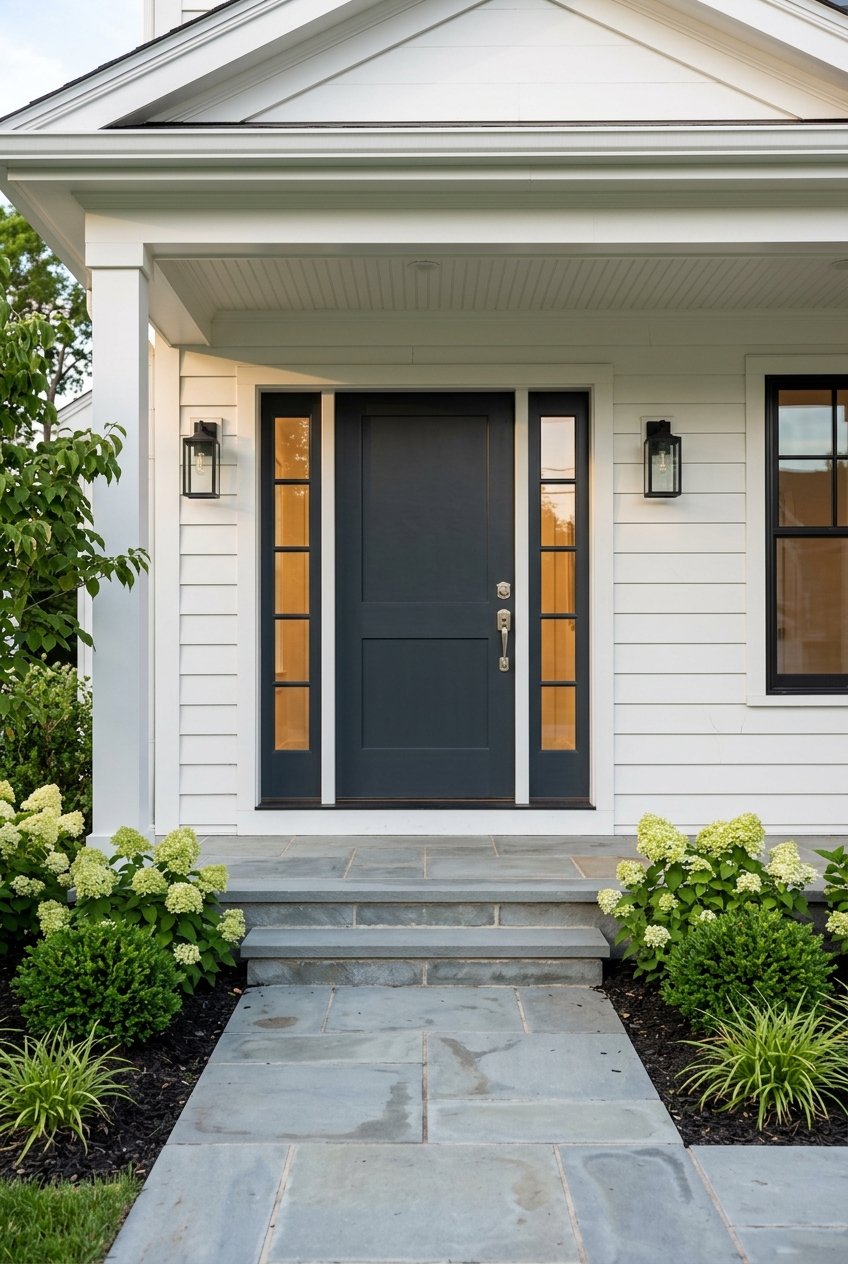
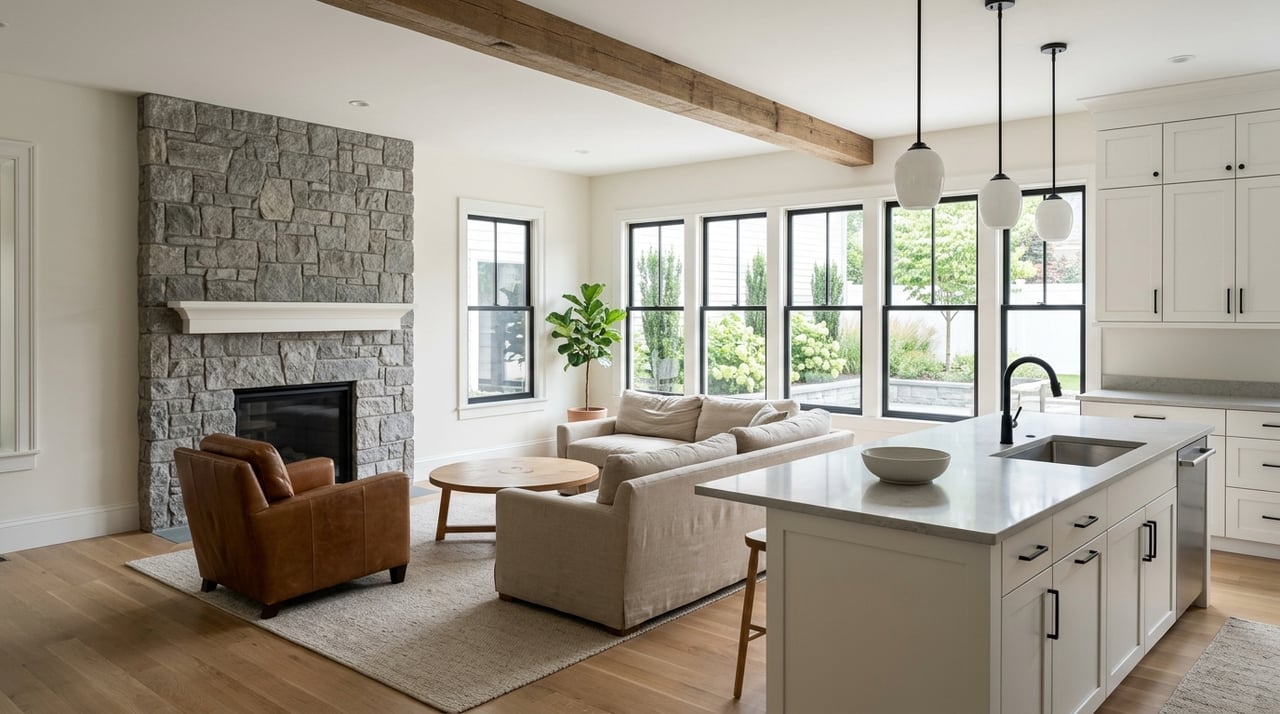
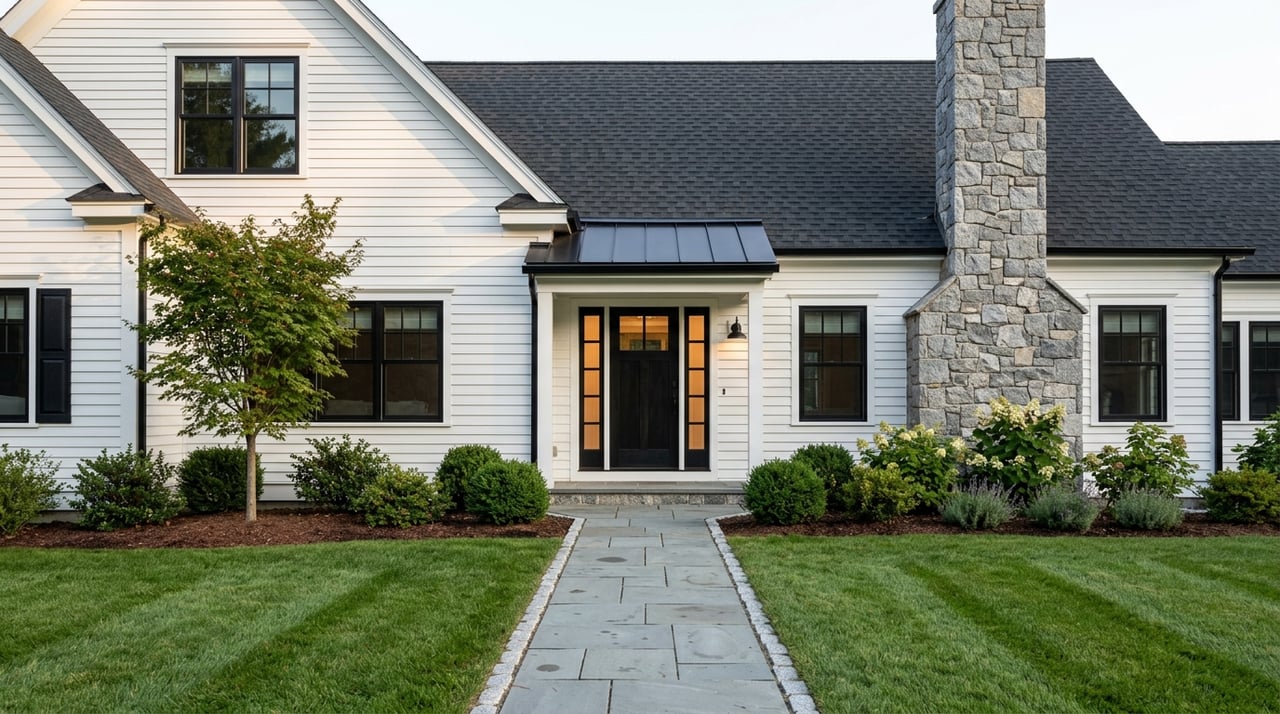
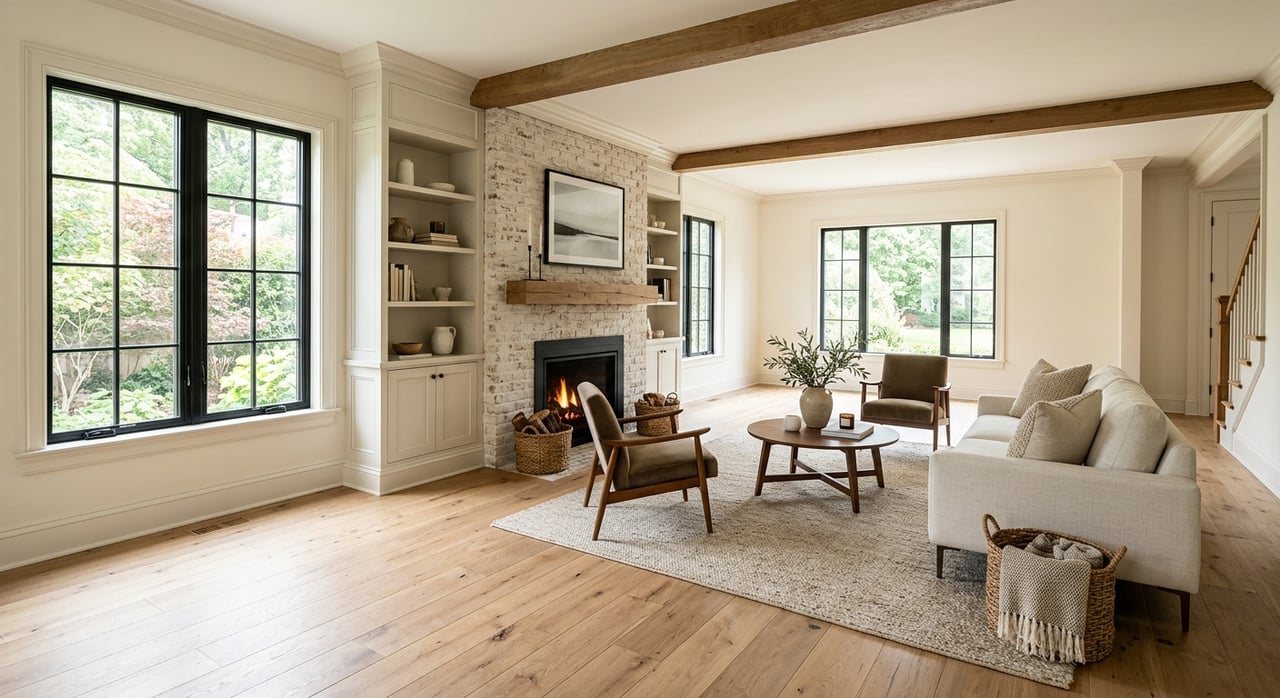
When you are selling a larger Simsbury property, presentation matters. Buyers respond best when the home feels spacious, calm, and easy to understand. That usually means simplifying surfaces, reducing extra furniture, and highlighting the rooms that shape first impressions.
The 2025 staging profile from the National Association of Realtors found that 83% of buyers’ agents said staging made it easier for buyers to visualize the property as a future home. The most commonly staged rooms were the living room, primary bedroom, and dining room. For a downsizing seller, that supports a focused strategy instead of trying to perfect every corner.
Prioritize the Rooms That Matter Most
In most homes, start with:
- Living room
- Primary bedroom
- Dining room
- Kitchen
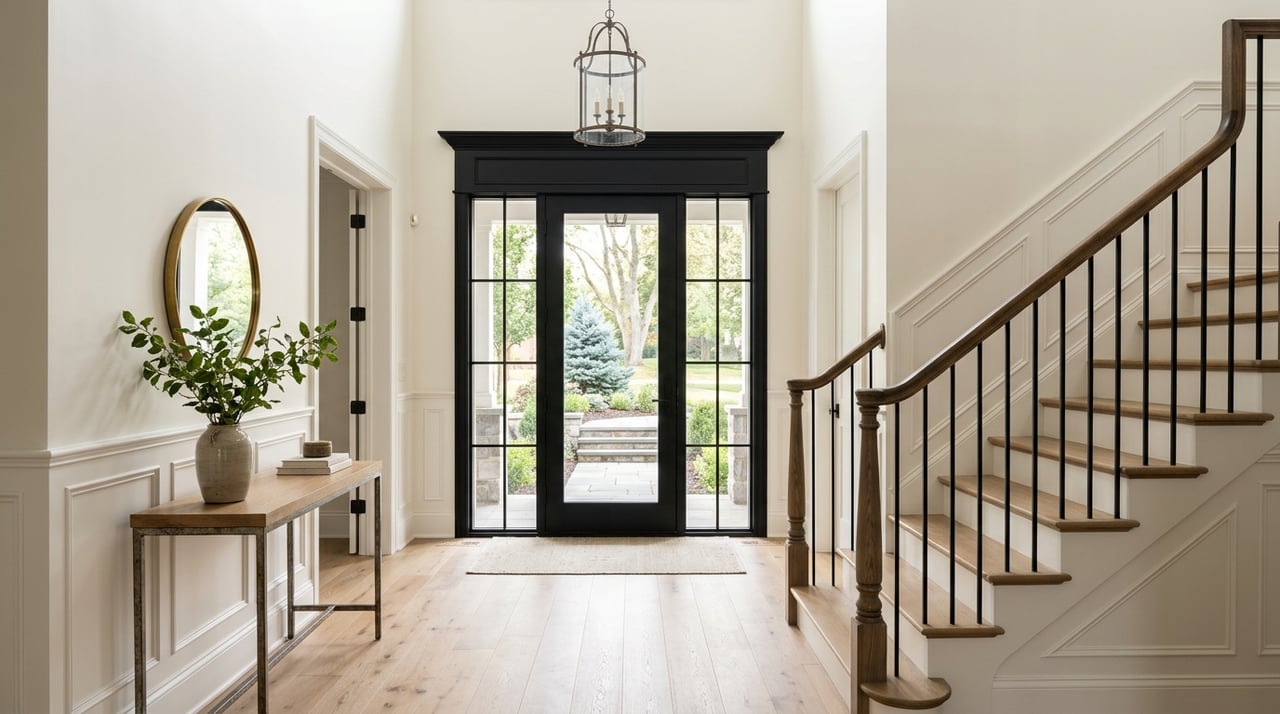
- Entry
The goal is not to make the home look empty. The goal is to make it feel balanced, polished, and move-in ready.
Finish Prep Before Photography
Because Simsbury listings can move quickly, the home should be ready before launch day. That means decluttering, repairs, touch-ups, and staging should happen before photos are taken. A rushed listing often creates avoidable friction at exactly the moment you want buyers focused on the home’s strengths.
Plan for Timing Between Sale and Move
One of the most common worries is getting caught between homes. This is where process matters. If you start by identifying your next-home target, you can line up the sale and purchase more thoughtfully.
That does not always mean both closings happen on the same day. It means you are making decisions with a clear destination in view, whether that involves a purchase first, a sale first, or a short-term transition plan. For many downsizers, the less guesswork involved, the smoother the experience feels.
Understand Closing Costs in Connecticut
You do not need a tax lecture, but you should know the basics before you sell. In Connecticut, the grantor, the grantor’s attorney, or the grantor’s authorized agent must file Form OP-236 when the deed is recorded. The state imposes a 0.75% conveyance tax plus a 0.25% municipal portion on real property conveyances, with higher-value residential brackets increasing the state portion above $800,000 and again above $2.5 million.
If you are selling a luxury or estate-style property, those brackets matter. This is one reason it helps to build your net sheet and closing expectations early, not after you accept an offer.
Watch Tax Timing in Simsbury
For local planning, Simsbury’s tax collector states that 2025 grand list real estate and personal property bills will be mailed June 29, 2026, due July 1, 2026, and delinquent after August 3, 2026. The current mill rate for real estate and personal property is 35.00. If you are targeting a summer or early fall closing, ask early about prorations and payment timing so there are no surprises at the closing table.
The town also maintains homeowner and veteran property tax relief application pages. If you participate in a relief program, it is worth confirming how your move may affect timing before or after closing.
Why Strategy Matters in a Downsizing Sale
A downsizing move is not just about selling a big house and buying a smaller one. It is about reducing uncertainty so you can make good decisions with confidence. In Simsbury, today’s market pace, the range of local housing options, and the financial impact of a high-value sale all make planning especially important.
That is where a strategy-first approach can change the experience. When pricing, preparation, staging, timing, and negotiations are coordinated from the beginning, your move feels more manageable and your home is better positioned for a strong outcome.
If you are thinking about a Simsbury downsizing sale and want a clear, private plan from first decisions through closing, Lisa Sweeney & Team can help you map out the process with calm, experienced guidance.
FAQs
When should I start sorting for a downsizing sale in Simsbury?
- Start as soon as you have a clear idea of your next-home size and layout, ideally before listing prep begins, so you can declutter, stage, and move with less stress.
What housing options are available for downsizers in Simsbury?
- Simsbury downsizers can consider single-story or ranch-style homes, condos, and 55+ living options, depending on how much maintenance, privacy, and space you want.
How should I decide what to keep when downsizing from a larger home?
- Use a simple keep, donate, sell, or toss system and work room by room, using the likely floor plan of your next home to guide what truly fits.
Can I stay in Simsbury and still reduce my housing costs?
- Yes, neighborhood value differences within Simsbury may allow you to move into a smaller or lower-cost property while staying in town.
What Connecticut closing costs should Simsbury sellers expect?
- Sellers should plan for Connecticut conveyance taxes, including a 0.75% state portion and 0.25% municipal portion, with higher-value residential brackets increasing the state tax above certain price points.
Why is staging important for a Simsbury downsizing sale?
- Staging helps buyers better visualize the home, and it is especially useful for making large homes feel calm, spacious, and easy to understand during showings.