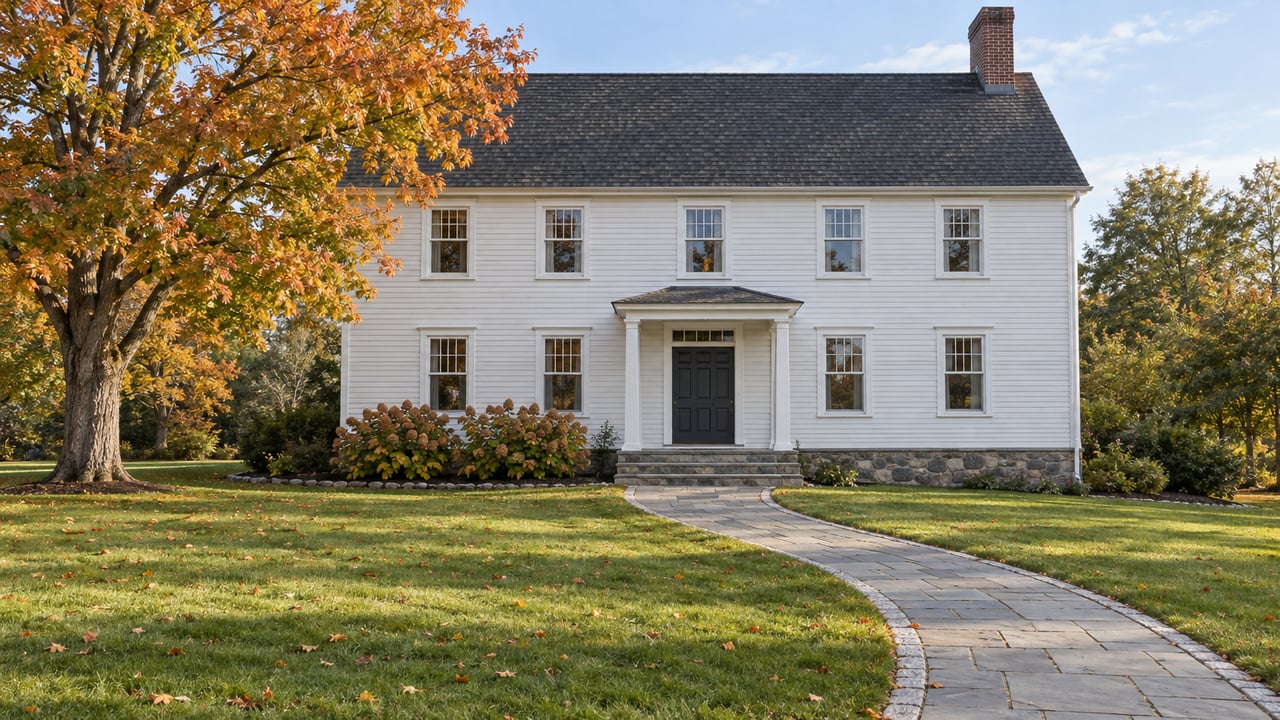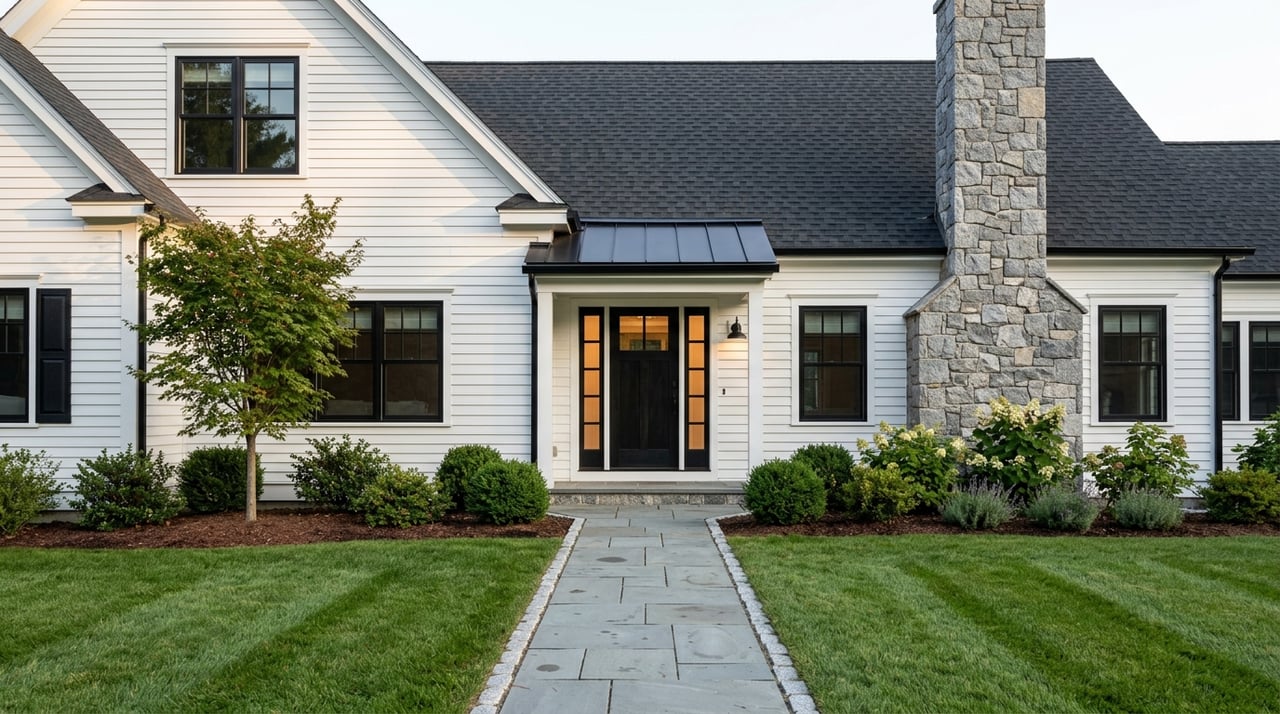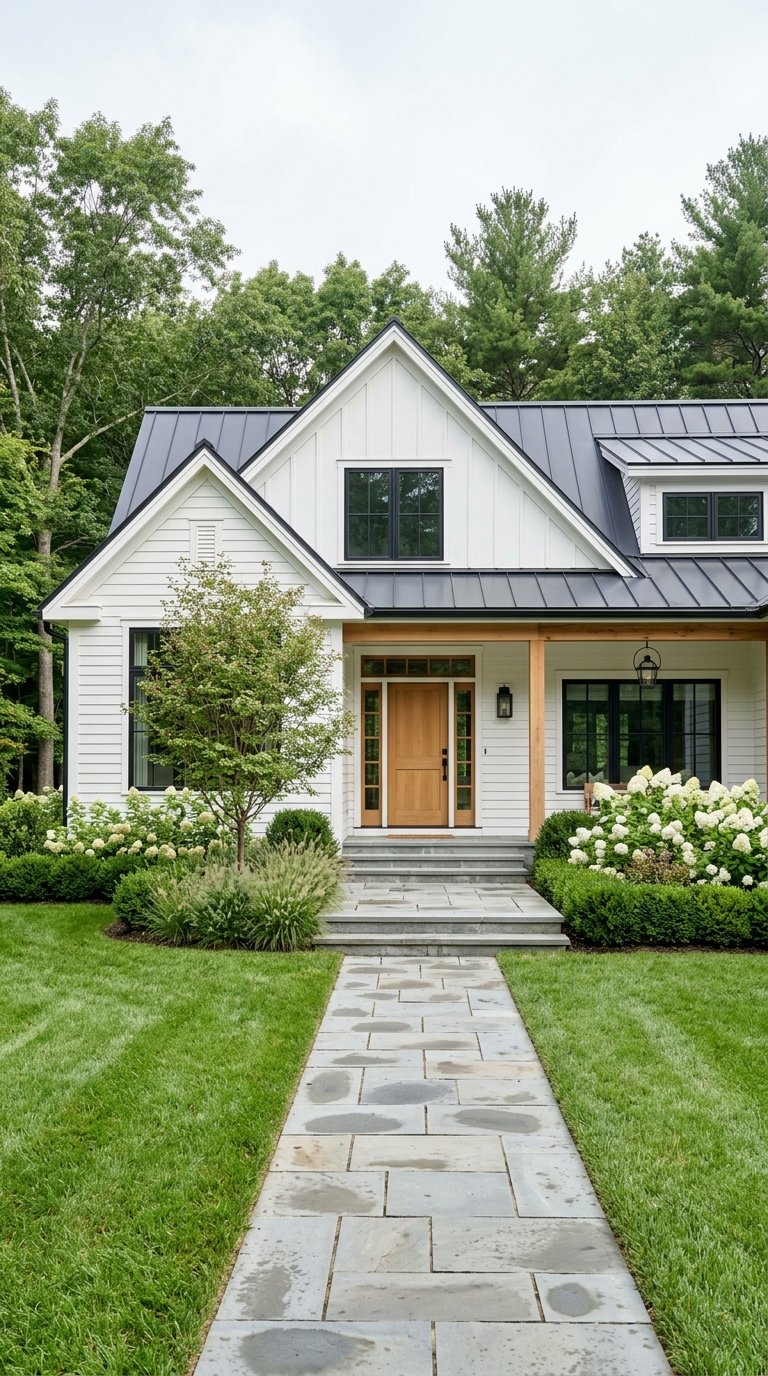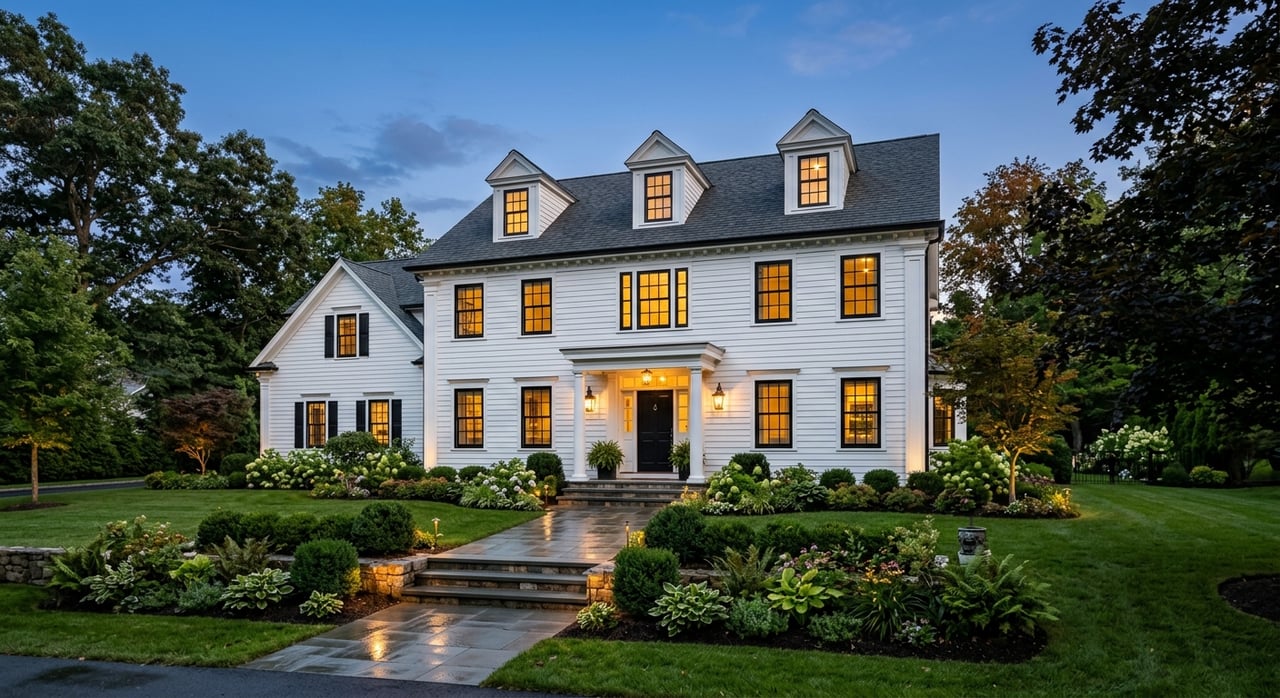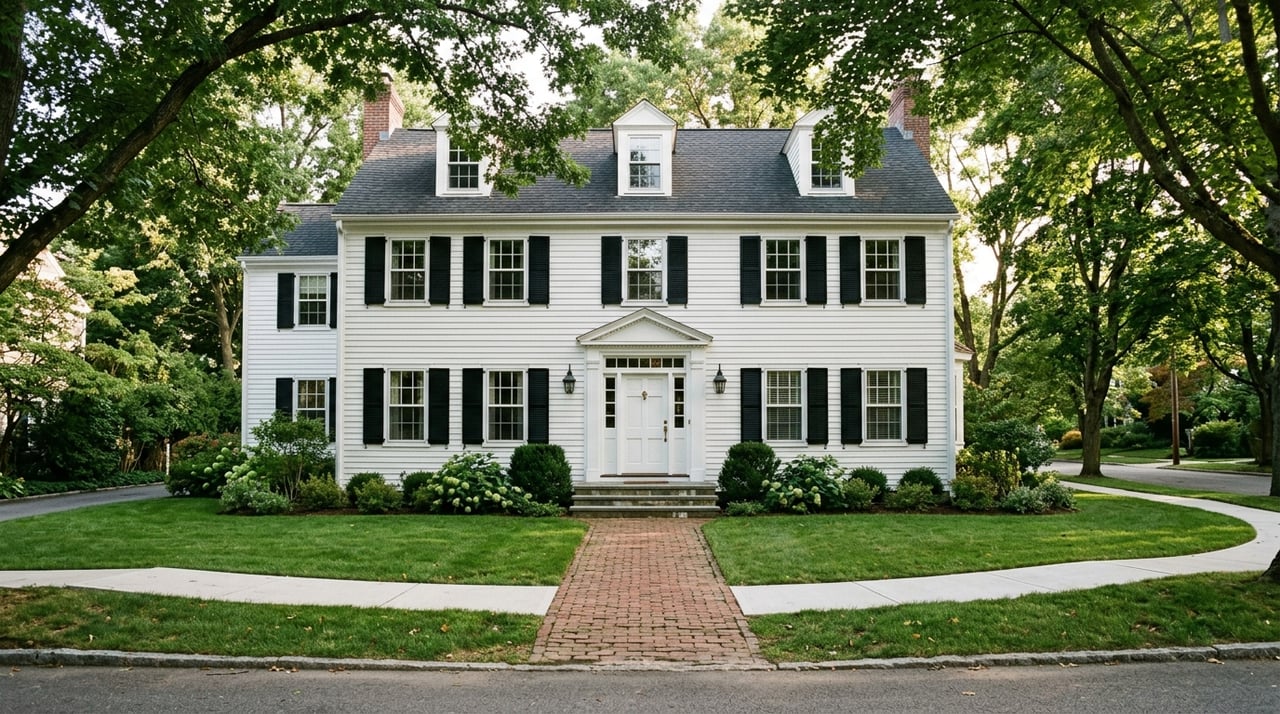
"Issue a certificate of appropriateness for 7 Church Street, considering the two items presented, the gutters and the fence."
— As reported by CitizenPortal.ai
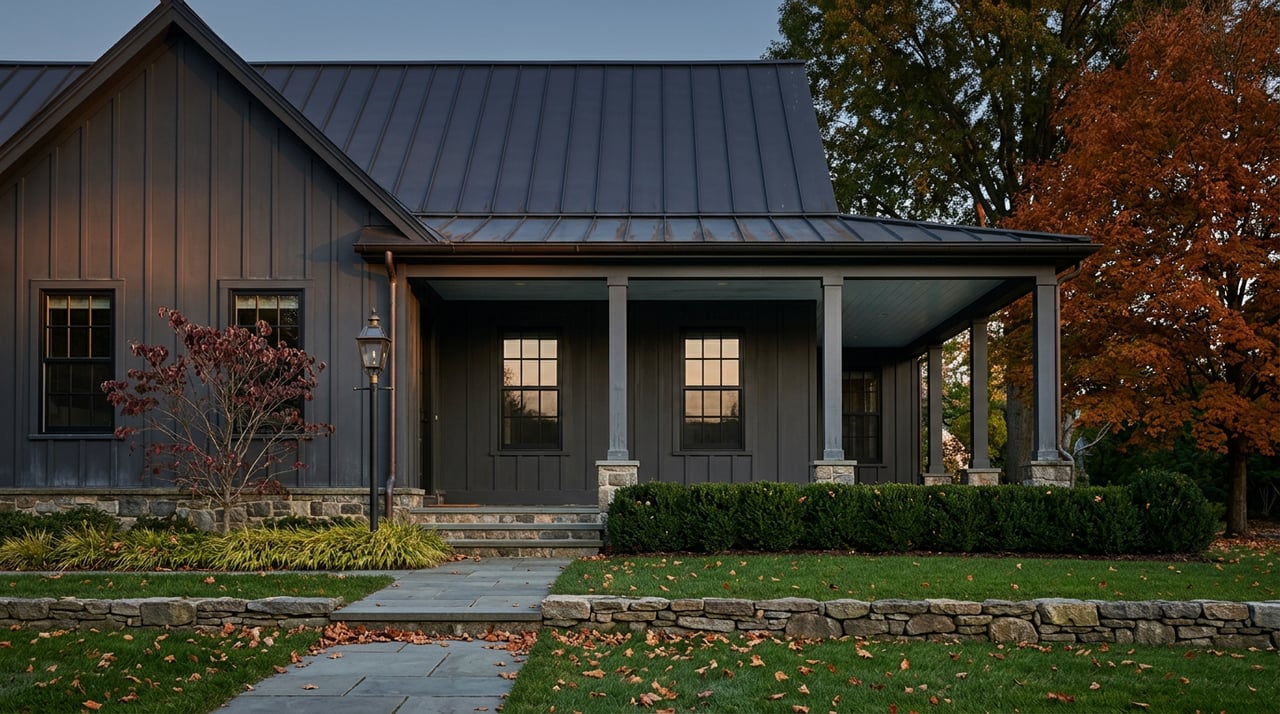
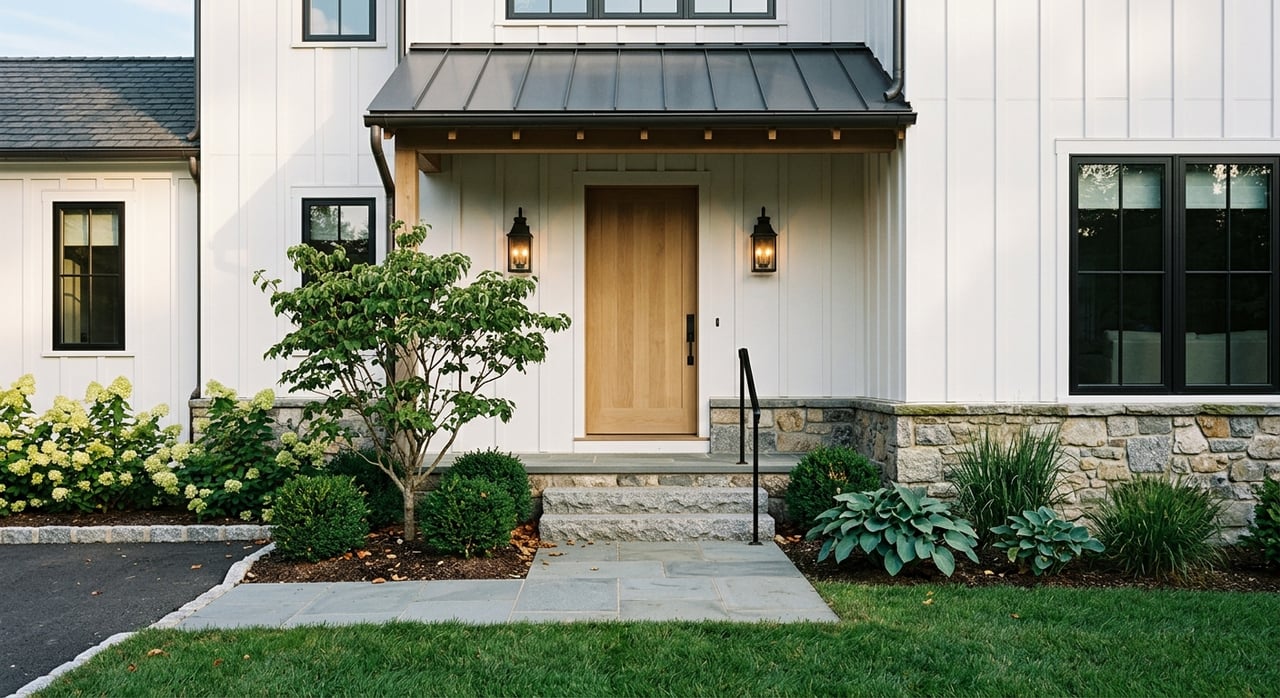
That was the whole motion. A half-round aluminum gutter and downspout, and a picket fence in western red cedar. The Farmington Historic District Commission passed it by voice vote in May 2026, no opposition recorded, and moved on to the next item on the agenda.
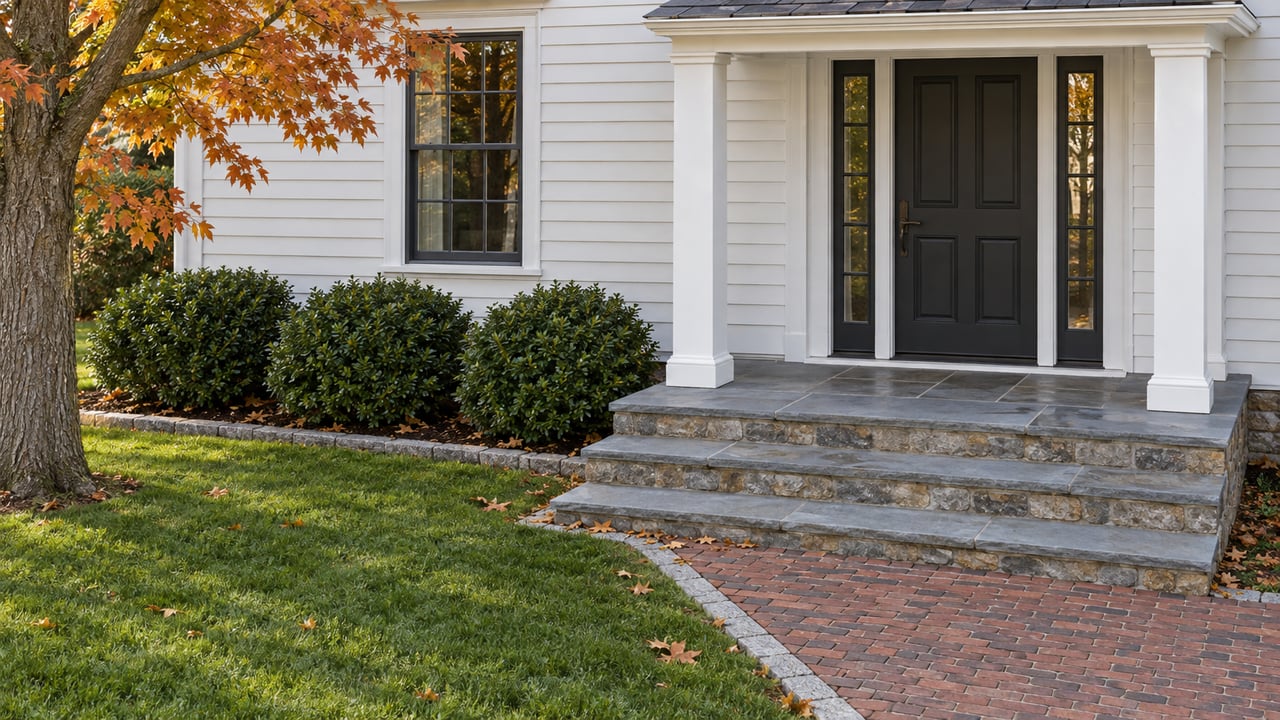
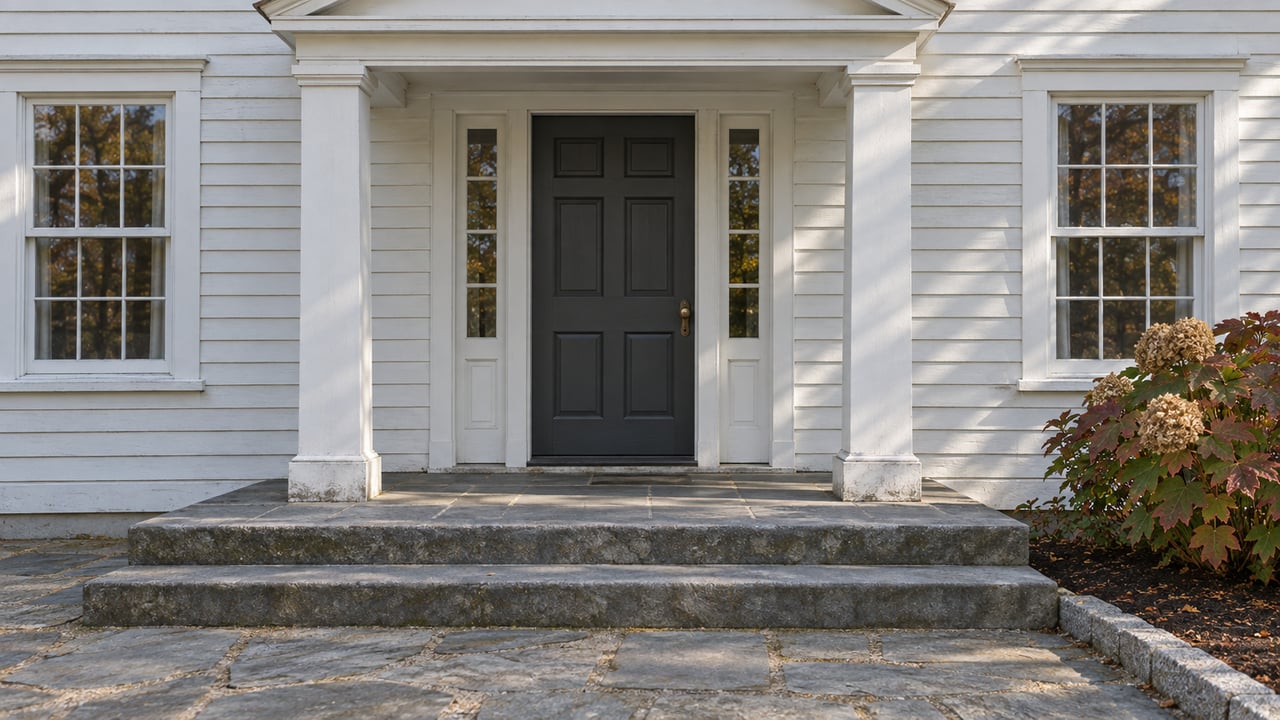
What the minutes don't show is how long it took to get there. The house at 7 Church Street had already received a temporary certificate of appropriateness back in March 2025. Siding, windows, doors and exterior lighting had gone through their own separate review before that. The gutters and fence were the last piece, closing out a file that had been open for well over a year on a single new-construction lot.
If you are buying or selling inside Farmington's historic district, that gap between "temporary" and "final" is the detail worth understanding before you sign anything, not after.
One Address, Several Approvals
The Farmington Village Historic District covers roughly 275 acres and about 115 buildings clustered along Main Street, Church Street, High Street, Garden Street and School Street. It was established by town ordinance in the 1960s, listed on the National Register of Historic Places in 1972, and has been expanded more than once since, most notably in 2007 when the Elm Tree Inn was added to the rolls.
What a lot of buyers assume, reasonably, is that a historic district review works like a single design approval: submit your plans, get a yes or no, start building. That is not how Farmington's commission runs it. The 7 Church Street file shows the actual pattern: the commission reviews in layers, issuing sign-off on one category of exterior work (say, siding and window style) before moving to the next (doors and lighting), and holding final approval until every visible element, down to the gutter profile and fence material, has been presented for review. The final certificate is a different vote, on a different night, sometimes more than a year later.
The commission is a five-member volunteer board with three alternates, all residents who serve without pay, and it handles applications at its meetings.
The town's own pending-applications page shows this is not a one-off. As of this year it lists live filings for a proposed exterior sign at 769 Farmington Avenue, an application for a greenhouse at 230 Main Street, and separate submissions tied to School Street addresses, each moving through the same staged process 7 Church Street went through.
The Map Itself Just Changed
Here is the part that surprises even people who already know the district exists. The boundaries are not fixed in the way most buyers assume. According to Farmington's official code, the Town Council approved an updated official Historic District and Historic Properties map on June 9, 2025, effective July 9, 2025. That means the legal description of what is and isn't inside the district was revised less than a year and a half ago. A parcel's status, or a neighbor's, may not match what an older listing sheet, appraisal, or even a longtime resident's memory says.
If you are evaluating a property near the edge of the district, on Mountain Road, Porter Road, or one of the side streets off Main, this is worth confirming directly with the Town Planner's office rather than assuming last decade's boundary still applies.
What the District Also Protects You From, and Pays You For
The same review process that adds time also comes with real guardrails and a real financial incentive.
On the guardrail side, if a building inside the district or on the historic properties list is ever slated for demolition, town ordinance requires a 90-day waiting period from the issuance of the demolition permit. During that window, the Historic District Commission or the state historic preservation office can work to find a buyer who will preserve the structure, or propose an alternative to tearing it down. The town can even abate real property taxes during that 90-day period. It doesn't block a demolition outright, but it does guarantee a pause and a chance for another outcome before the building comes down.
On the incentive side, According to Grokipedia, Connecticut's Historic Homes Rehabilitation Tax Credit offers a 30 percent credit, up to $30,000, on qualified rehabilitation expenses for eligible properties inside a district like this one. For an owner weighing whether to restore original windows and trim versus replace them with something modern before listing, that credit changes the math on what "worth it" means.
What This Means If You're Buying
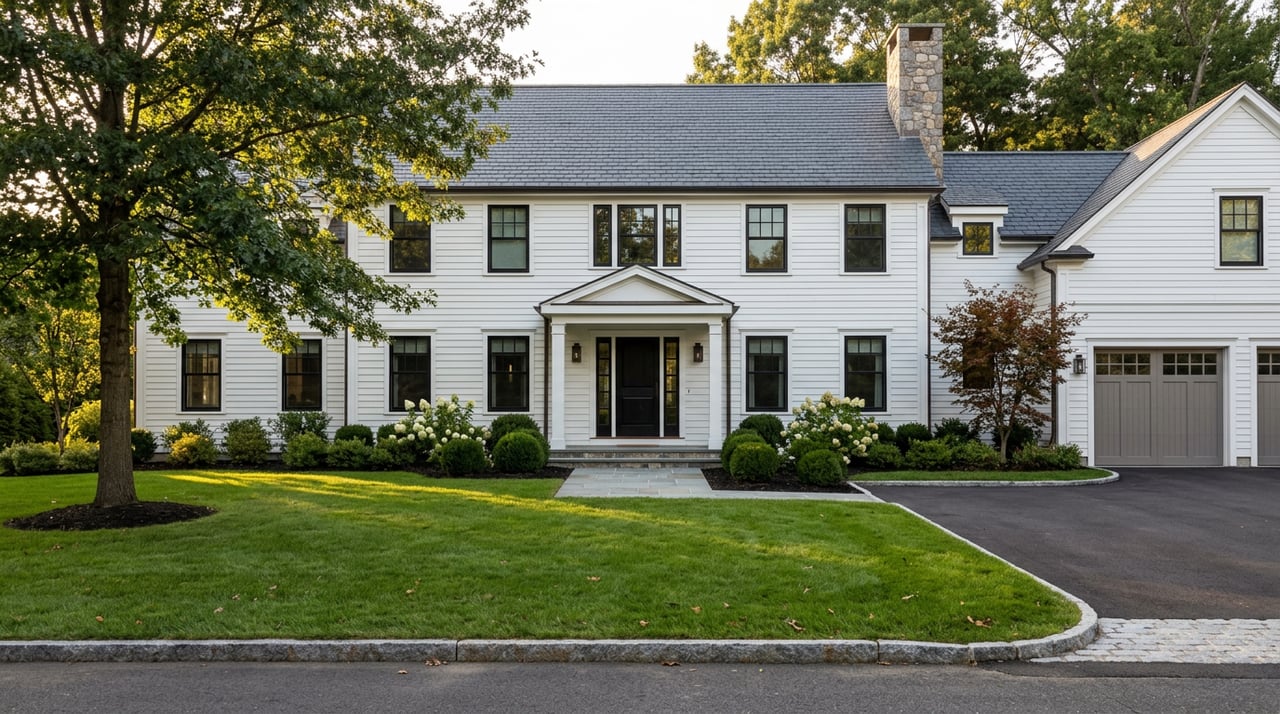
A house on Main Street, Church Street or High Street inside this district comes with a level of architectural continuity you won't find in most of the Farmington Valley. The streetscape includes homes attributed to builder Judah Woodruff, the Stanley-Whitman House dating to around 1720, and the grounds of Hillstead Museum and Miss Porter's School. That continuity is part of what makes these addresses desirable.
If a property you're considering already has renovation plans in motion, ask whether it has a temporary certificate, a final certificate, or nothing filed yet. That single question tells you whether you're inheriting a finished project or an open file.
What This Means If You're Selling
If your pre-listing plan includes any visible exterior work, and inside this district that includes siding, windows, doors, fencing, lighting and roofing, build the commission's calendar into your prep timeline, not just your contractor's. A refresh that would take six weeks anywhere else in the Farmington Valley may need to clear a volunteer board's meeting schedule first, in stages, before a buyer ever sees the finished result.
If the work you're planning is substantial enough to qualify, it's worth finding out early whether the state's 30 percent rehabilitation credit applies to your project. That can shift whether restoring original materials is the more expensive path or, once the credit is factored in, the smarter one.
A Few Direct Questions
- Has the property's current or planned exterior work received a temporary certificate, a final certificate, or neither?
- Does the address fall inside the boundary as redrawn in July 2025, or only under the older map?
- If a structure on the property were ever proposed for demolition, has anyone accounted for the 90-day review window that would trigger?
- Would planned rehabilitation work qualify for the state's 30 percent historic homes tax credit?
None of these are questions a listing sheet answers. They're questions for the Town Planner's office and, ideally, for someone who has walked a client through this specific commission before.
If you're weighing a purchase or a sale inside Farmington's historic district, Lisa Sweeney & Team can walk you through what a given address's review history actually looks like before you're the one waiting on a vote about a fence. Request a confidential consultation.
This article is general information, not legal, tax or financial advice. Consult a qualified professional about your situation.